Blessed
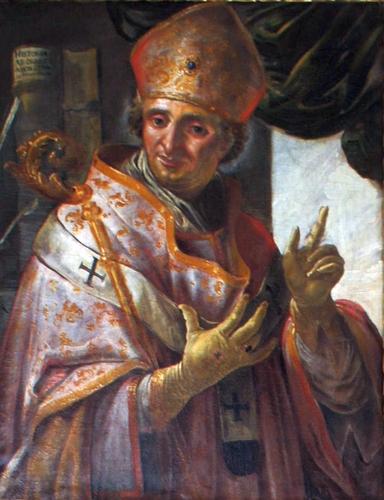
Blessed Otto of Freising
Blessed Otto of Freising, also known as Ottone, was a notable figure in the Catholic Church during the 12th century.
Biography
Blessed Otto of Freising, also known as Ottone, was a notable figure in the Catholic Church during the 12th century. Born in an unknown year, his early life and origin remain a mystery. However, he eventually entered the Cistercian order and embarked on a path of spiritual dedication and scholarly pursuits.
As a Cistercian monk, Otto committed himself to a life of monastic austerity and contemplation. Known for their emphasis on simplicity, the Cistercians sought to live according to the Rule of St. Benedict, seeking a deeper connection with God through prayer, manual labor, and silent reflection.
Otto's dedication to the Cistercian way of life led him to become a priest, and in due course, he was appointed as the Bishop of Freising in Germany. It was during his tenure as a bishop that Otto began implementing the influential Gregorian reforms within his diocese. These reforms, spearheaded by Pope Gregory VII, aimed to combat simony (the buying and selling of ecclesiastical offices) and clerical marriage, as well as to promote a greater adherence to celibacy and the independence of the Church from secular authorities.
Despite his episcopal responsibilities, Otto consciously continued to wear the Cistercian habit and maintained his monastic duties. This unique dedication and commitment to the monastic life characterized his role as bishop. He was not only a shepherd to his flock but also an example of a devoted monk, emphasizing the importance of spiritual discipline and simplicity.
While information about Otto's early life and family is lacking, his contributions as a Cistercian monk and bishop are well-documented. His unwavering devotion to the Church and the Cistercian way of life left a profound impact on the spiritual landscape of his time. His reforms and commitment to Gregorian principles within his diocese helped establish a stronger foundation for the Church's independence and integrity.
After dedicating his life to God and serving his community, Blessed Otto of Freising passed away on 22nd September 1158, at the Cistercian monastery of Morimond in France. He died of natural causes, leaving a lasting legacy as both a monk and bishop. Though not officially venerated or beatified by the Church, Otto's unwavering faith and commitment to the Gospel serve as an inspiration to this day.
Know of a grace or miracle attributed to Blessed Otto of Freising?
Report a Grace or Miracle