SaintPre-Congregation
Saint Germanus of Normandy
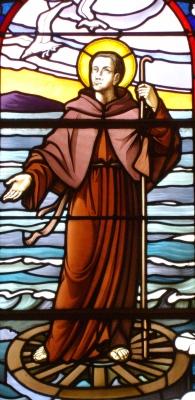
In the annals of the early Church, few images capture the tension between earthly peril and divine protection as vividly as the depiction of a bishop standing atop a wagon wheel traversing a body of water.
Biography
In the annals of the early Church, few images capture the tension between earthly peril and divine protection as vividly as the depiction of a bishop standing atop a wagon wheel traversing a body of water. This striking iconography serves as a visual testament to the extraordinary life of the Norman martyr who bears the name of a great Gallic saint. While the historical record of his specific deeds is sparse, the enduring veneration of this holy man highlights a life defined by profound spiritual conversion, episcopal leadership, and ultimate sacrifice.
The narrative of his life begins with a transformative encounter with the faith. He was brought into the Christian fold through the ministry of Saint Germanus of Auxerre, a towering figure in the history of the Church in Gaul.
This connection places him within a specific spiritual lineage during a critical period of Christian consolidation in Western Europe. In honor of his spiritual father and mentor, he adopted the name Germanus, signaling a complete renunciation of his former self and a total commitment to the Gospel. This naming convention was common among early converts, serving as a public declaration of their new identity in Christ.
Following his conversion, he ascended to the episcopate, taking on the heavy burden of pastoral care. By the time of his death, c.460, the region of Normandy was a frontier of the fading Roman Empire, a place where the stability of the state was giving way to the turbulence of migration and invasion. In such times, bishops were not merely religious leaders but often the primary anchors of community order and moral guidance. As a bishop in Normandy, he would have been tasked with shepherding the faithful through a landscape that was increasingly dangerous and uncertain. The title of martyr confirms that his witness to the faith was sealed with his blood, suggesting he died for the Gospel during a period of persecution or conflict that marked the late fifth century in Gaul.
The legends surrounding his life, preserved in pre-congregation hagiography, offer a glimpse into how the faithful sought to understand his holiness. Traditionally, he is depicted travelling across water by standing on a wagon wheel. This miraculous imagery suggests a divine intervention that defied the natural laws, perhaps symbolizing his ability to cross the dangers of the sea or the obstacles of life through faith. Such depictions were common in the hagiographic tradition of the era, intended to illustrate that a holy life is sustained not by human strength, but by supernatural grace. While the specific historical details of this miracle are part of the devotional tradition rather than verified historical record, they underscore the belief that his life was marked by the extraordinary.
His feast day is observed on 2-May, a time when the Church remembers his sacrifice and his role in the transmission of the faith from Auxerre to Normandy. As a pre-congregation saint, his veneration predates the modern liturgical reforms, indicating a long-standing local tradition of reverence. Though the precise circumstances of his martyrdom are not fully detailed in the surviving records, his legacy endures as a symbol of the resilience of the early Church in Gaul. He stands as a reminder of the thousands of bishops and martyrs who, in the twilight of the Roman world, maintained the light of the Gospel through their own witness and sacrifice. His story, though brief in the historical record, resonates through the centuries, inviting the faithful to reflect on the power of conversion and the courage required to stand firm in one's convictions.
Also remembered on May 2
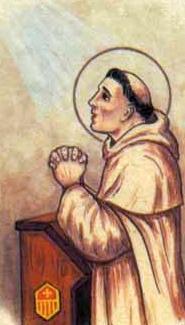
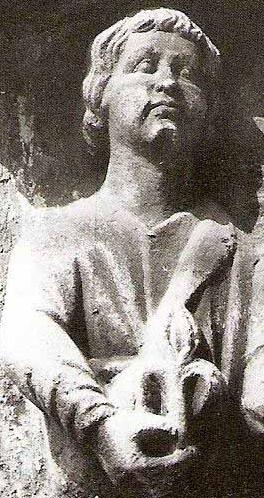
Know of a grace or miracle attributed to Saint Germanus of Normandy?
Report a Grace or Miracle