Beata
Beata Eusebia Palomino Yenes
Religious of the Figlie di Maria Ausiliatrice, Valverde del Camino, 1899-1935
Early life
Eusebia Palomino Yenes was born on 15 December 1899 at Cantalpino, a small village in the province of Salamanca, in Spain, into a family rich in faith and poor in means.[1] Her father, Agustin, worked as a seasonal labourer for the landowners of the area, and her mother, Juana Yenes, kept the house with the four children.[1] In winter, when work failed, her father was forced to seek help from other poor people in the villages nearby, and at seven she sometimes went with him, asking at farmhouses for 'a loaf for the love of God'.[1] She had to leave school early to help the family, and at twelve went to Salamanca with her elder sister to work for families as a nursemaid and maid-of-all-work.[1]
Vocation
On holiday afternoons she attended the festive oratory of the Figlie di Maria Ausiliatrice and came to know the sisters, who asked for her help in the community; she helped in the kitchen, carried wood, cleaned the house and hung out the washing.[1] She did not dare to ask to enter the institute, because of her poverty and lack of schooling.[1] The visiting superior, to whom she confided, reassured her and, in the name of the mother general, decided to admit her.[1] On 5 August she began her novitiate, and in 1924, after two years, she pronounced her religious vows.[1]
Ministry
She was assigned to the house at Valverde del Camino, a town then of 9,000 inhabitants in the mining district of Andalusia, in the far south-west of Spain.[1] Her work took her to the kitchen, the porter's lodge, the wardrobe, the small vegetable garden and the care of the girls in the festive oratory.[1] She made the marian devotion taught by Luigi M. Grignon de Montfort the soul of her apostolate, addressing girls, young people, mothers, seminarians and priests.[1]
Death and recognition
At the beginning of the 1930s she offered herself as a victim for the salvation of Spain and for the freedom of religion; in August 1932 came a sudden illness, and then asthma that tormented her to an unbearable degree.[1] In the night between 9 and 10 February 1935 she seemed to fall peacefully asleep; throughout the day her body was visited by the whole population of Valverde.[1] She was beatified on 25 April 2004 by Pope John Paul II.[1]
Siga la evidencia
Fuentes y notas
- Eusebia Palomino Yenes
Dicastery for the Causes of Saints · italiano
Consultado el 2026-09-05
Notas editoriales
Translated and condensed from the Dicastery's official Italian profile by an automated pass on 2026-09-09; identity matched on the death date and name; editorial review pending.
Este es un borrador asistido por IA preparado a partir de las fuentes anteriores. Sus citas identifican la evidencia; no sustituyen una revisión histórica.
La biografía heredada
La biografía anterior de este registro.
Leer la biografía heredada
Beata Eusebia Palomino Yenes nació el 15 de diciembre de 1899 en Cantalpino, Salamanca, España, en una familia pobre pero profundamente religiosa. A pesar de los desafíos económicos que enfrentaba su familia, desde muy joven se manifestó su fuerte fe y su deseo de servir a Dios.
A medida que crecía, Eusebia sintió una profunda llamada a la vida religiosa. Sin embargo, debido a las circunstancias económicas familiares, tuvo que trabajar para ayudarlos a sobrevivir. A pesar de estas dificultades, permaneció firme en su fe y se dedicó a sus deberes como hija fiel.
Eventualmente, Eusebia comenzó a trabajar como sirvienta en una casa adinerada y luego se convirtió en niñera en un orfanato. Incluso en estos roles, sus insight espirituales y su conexión con Dios eran evidentes. Muchos sacerdotes, religiosos y fieles acudían a ella en busca de consejo y guía, reconociendo su profunda sabiduría y santidad.
Los dones espirituales extraordinarios de Eusebia, incluido el don de profecía, se hicieron ampliamente conocidos, y desempeñó un papel significativo en la difusión de la devoción a las Heridas de Cristo. A través de sus palabras y acciones, inspiró a otros a meditar sobre los sufrimientos de Jesús y encontrar consuelo en Su misericordia y amor.
Impulsada por su fuerte deseo de consagrarse plenamente a Dios, Eusebia ingresó en el Instituto de las Hijas de María, Auxilio de los Cristianos, conocido como las Hermanas Salesianas. A pesar de sus primeras asignaciones como cocinera y doncella dentro de la comunidad, su presencia espiritual y sus insight continuaron brillando. Su servicio humilde y profunda devoción marcaron un ejemplo para sus hermanas y para la comunidad en su conjunto.
El 10 de febrero de 1935, a los 35 años, la Beata Eusebia Palomino Yenes falleció en Valverde del Camino, Huelva, España, por causas naturales. Aunque vivió una vida relativamente corta, su impacto en la fe de quienes la conocieron fue profundo.
Su reputación de santidad y virtud continuó creciendo después de su muerte, lo que llevó a la introducción de su causa para la beatificación. El 17 de diciembre de 1996, el Papa Juan Pablo II la declaró Venerable, reconociendo sus virtudes heroicas. Posteriormente, fue beatificada por el Papa Juan Pablo II el 25 de abril de 2004.
La Beata Eusebia Palomino Yenes permanece como inspiración para todos, especialmente para quienes enfrentan adversidades en sus vidas. Su vida de servicio humilde, fe inquebrantable y profunda devoción a Cristo y Sus Heridas constituye un poderoso testimonio de la gracia de Dios actuando en una persona ordinaria pero extraordinaria. Invita a buscar a Dios en medio de nuestras luchas cotidianas y a encontrar esperanza y consuelo en Su amor divino.
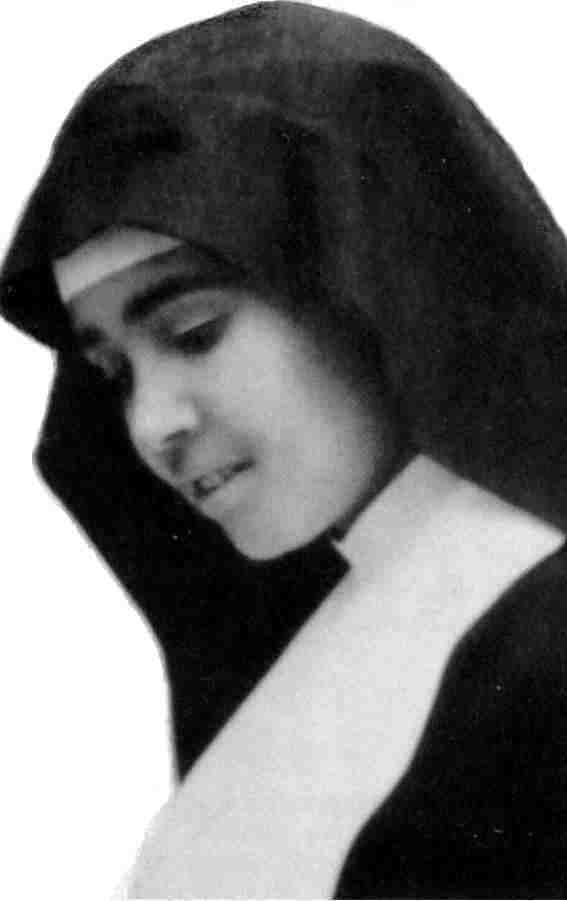
Imagen: Public domain via Wikimedia Commons (Eusebia Palomino Yenes.jpg)
¿Conoces una gracia o milagro atribuido a Beata Eusebia Palomino Yenes?
Reportar una Gracia o Milagro