Beata
Beata Limbania
Beata Limbania nació a finales del siglo XII en una familia rica y noble de Chipre.
Biografía
Beata Limbania nació a finales del siglo XII en una familia rica y noble de Chipre. A pesar de los esfuerzos de su familia por organizar un matrimonio conveniente para ella, Limbania sintió desde joven una fuerte llamada a la vida religiosa. A los doce años, realizó una audaz huida de su familia y embarcó en un barco con destino a Génova, Italia.
Al llegar a Génova, buscó refugio entre las monjas benedictinas del monasterio de San Tommaso. En lugar de residir en una celda regular, eligió vivir en un pequeño compartimento bajo la cocina del monasterio. Esta humilde vida reflejaba su piedad y devoción a una vida de penitencia.
Beata Limbania era conocida por su profundo cuidado y compasión hacia los hombres y animales que vivían y trabajaban en los muelles de Génova. Mientras ministraba a estas personas, su reputación por desinterés y generosidad creció.
Finalmente, una ruta de mercaderes que conducía desde los muelles hacia el interior del norte de Italia recibió su nombre, consolidando su patrocinio sobre quienes viajaban por dicha ruta, incluidos conductores de carros y carreteros.
En las representaciones artísticas, Beata Limbania suele ser representada como una monja benedictina sosteniendo un barco. Este barco simboliza tanto el vehículo que la transportó al convento como los trabajadores de los muelles a quienes sirvió con diligencia.
Sus fiestas se celebran en diversas fechas, incluyendo el 16 de junio y el 16 de agosto en la Iglesia de San Tommaso de Génova, así como el 18 de agosto en la Diócesis de Génova. Los agustinos la conmemoran el 6 de septiembre, y algunos calendarios también la reconocen el 15 de agosto.
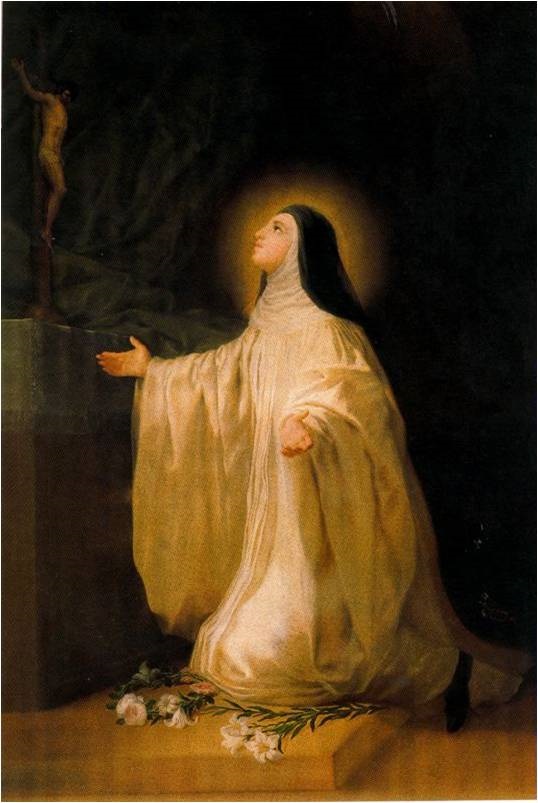
Beata Limbania falleció a principios del siglo XIII en Génova, Italia, por causas naturales. Según informes, fue encontrada arrodillada con los brazos extendidos en oración, rodeada de un resplandor celestial que llenaba su humilde celda. La vieja iglesia de San Tommaso, donde inicialmente fue venerada y sus reliquias encomendadas, fue destruida en el siglo XIX.
Sus reliquias, junto con las de otros santos, fueron combinadas en un único urna y encomendadas nuevamente en el nuevo santuario de la iglesia en Voltri, Italia. Más tarde, en 1985, las reliquias fueron encomendadas una vez más, esta vez en la iglesia de Santa Limbania.
La devoción a Beata Limbania ya estaba establecida a finales del siglo XIII, como lo indica la encomienda de su cabeza en la iglesia de San Tommaso de Génova alrededor de 1294. Una investigación canónica sobre milagros atribuidos a ella comenzó en 1344, consolidando aún más su santidad. En 1432, un altar consagrado en su nombre mostró el creciente aprecio por su veneración.
A lo largo de los siglos, la influencia de Beata Limbania continuó extendiéndose. Las monjas agustinas asumieron la iglesia de San Tommaso en 1509, aunque erróneamente creyeron que Limbania era una de ellas. En 1562, se fundió una campana con su efigie como testimonio de su patrocinio y devoción. Un libro sobre su vida apareció por primera vez en 1600, consolidando su lugar en la literatura religiosa.
Finalmente, el 6 de marzo de 1609, el Papa Pablo V confirmó el culto de Beata Limbania, reconociéndola oficialmente como santa beatificada en la Iglesia Católica. Su vida y ejemplo continúan inspirando y guiando a los fieles, especialmente a quienes se dedican a viajar, conducir carros y ocupaciones relacionadas, quienes encuentran consuelo y protección en su patrocinio.
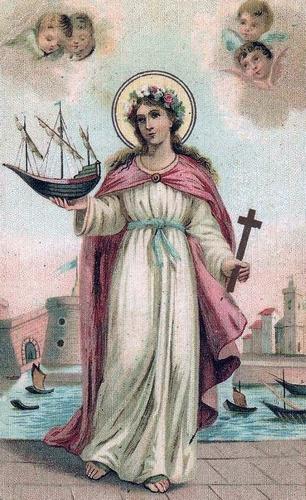
También se celebran el 16 de junio
¿Conoces una gracia o milagro atribuido a Beata Limbania?
Reportar una Gracia o Milagro