Santo
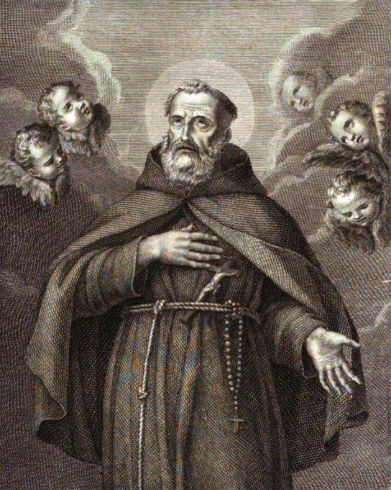
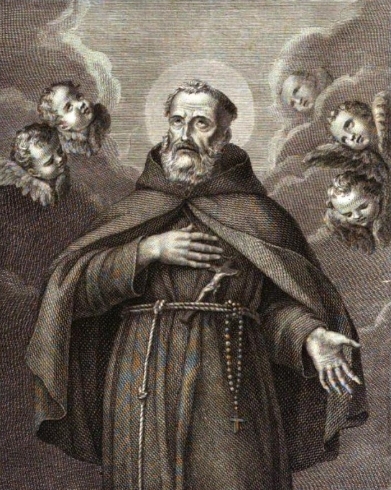
Saint Angelo d’Acri Falcone
In the rugged terrain of southern Italy, where the mountains of Calabria descend toward the Tyrrhenian Sea, the spiritual landscape was once shaped by the tireless footsteps of a humble Franciscan.
Biografía
Esta biografía está disponible actualmente solo en inglés.
In the rugged terrain of southern Italy, where the mountains of Calabria descend toward the Tyrrhenian Sea, the spiritual landscape was once shaped by the tireless footsteps of a humble Franciscan. This was the legacy of a priest whose life was defined not by the accumulation of earthly wealth, but by the relentless pursuit of souls within the Kingdom of Naples. Known historically as a Capuchin, he belonged to the Order of the Friars Minor Capuchin, a reform movement within the Franciscan family that emphasized strict adherence to the Rule of Saint Francis and a life of radical poverty.
His ministry was anchored at Acre, a locale within the province of Calabria. From this base, the friar embarked on a journey that would take him across the diverse and often difficult territories of the Neapolitan kingdom.
Historical records regarding his specific dates of birth and death remain elusive, a common fate for many holy men whose lives were spent in service rather than chronicle. However, the tradition surrounding his vocation paints a picture of a man consumed by a singular purpose: the pastoral care of the faithful. To be remembered as a saint is to be recognized as a vessel of divine grace, even if the vessel itself remains largely obscure to the modern historian.
During the era in which he lived, the Capuchins were instrumental in revitalizing religious life across the Italian peninsula. They were known as the "preachers of the people," venturing into villages and cities to bring the Gospel to those who had drifted from the Church. For this priest, travel was not a leisure activity but a spiritual discipline. The roads of the Kingdom of Naples were fraught with challenges, yet his commitment to the Capuchin charism of itinerant ministry drove him forward. He likely engaged in preaching, hearing confessions, and offering spiritual counsel to the poor and the marginalized, embodying the humility of his order.
While the specific miracles or detailed anecdotes of his life have not been preserved in the surviving hagiographical records, his enduring memory rests on the impact of his presence. The scarcity of biographical data does not diminish the significance of his witness. In an age where documentation was often reserved for the powerful, the dedication of a wandering friar who gave his life to the spiritual needs of the Neapolitan populace stands as a quiet testament to the power of faith. He represents the countless unnamed and unnamed servants of the Church who worked in the fields of the Lord without seeking fame. His story is one of silent devotion, where the only monument to his life was the faith of those he touched.
Ultimately, the life of this Capuchin priest reminds the faithful that holiness is not always loud or recorded in great detail. It is found in the persistence of prayer, the willingness to walk the long roads, and the dedication to serving the Kingdom of Naples. Through his tireless travels and his residence at Acre, he left a footprint on the spiritual geography of Calabria, a legacy that continues to inspire those who seek the path of Saint Francis. The name of Saint Angelo d’Acri Falcone serves as a reminder that the holiest lives are often those lived in the shadows, illuminated only by the light of their charity.
También se celebran el 30 de octubre
¿Conoces una gracia o milagro atribuido a Saint Angelo d’Acri Falcone?
Reportar una Gracia o Milagro