Santo
Saint Barnabas
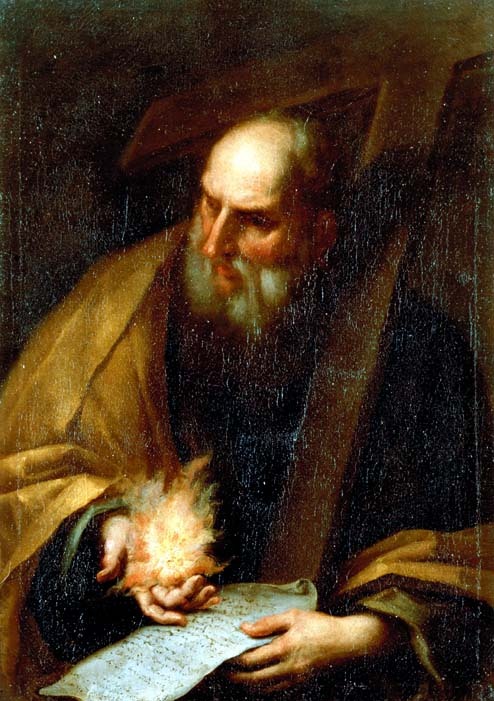
Among the vibrant tapestry of the early Church, few figures shine with the quiet radiance of the man known as Barnabas.
Biografía
Esta biografía está disponible actualmente solo en inglés.
Among the vibrant tapestry of the early Church, few figures shine with the quiet radiance of the man known as Barnabas. His legacy is not defined by the tumult of conflict or the grandeur of imperial politics, but by a profound interior disposition that set him apart in the crucible of the first century. He is remembered fundamentally as a meek man, a descriptor that in the turbulent landscape of the nascent Christian community stood as a counter-cultural testament to the power of the Holy Spirit. This meekness was not weakness, but a strength of character rooted in the conviction that he was full of the Holy Spirit and faith, qualities that anchored him when the winds of persecution threatened to blow.
The historical setting of his life places him in Jerusalem, the spiritual heart of the Jewish world, during the pivotal era when the Apostolic age was dawning. It was a time of immense
upheaval and expectation, where the boundaries of the covenant were being redefined by the resurrection of Christ. In this environment, the title of Apostle carried a weight that extended beyond the original Twelve, reserved for those who bore witness to the risen Lord with a unique authority. Barnabas was numbered among this distinct group, recognized by the community for his fidelity and his spiritual vitality. To be an Apostle in this context was to be a foundational pillar, a living witness to the truth of the Gospel.
His status as one of the first faithful of Jerusalem marks him as a pioneer of the new covenant. This designation implies that he was present at the very inception of the community, standing alongside the earliest disciples as they navigated the complex transition from the old law to the new grace. In the early days of the Church, where identity was fragile and often contested, his faith provided a stable ground for others to build upon. The description of him being full of the Holy Spirit suggests a life of deep prayer and divine guidance, where his actions were not merely human endeavors but the working of God through a willing vessel.
The virtue of meekness was particularly remarkable in a society accustomed to power and dominance. In a world where status was often measured by wealth or lineage, his humility marked him as a man of true nobility. This quality allowed him to embody the spirit of the Gospel, serving as a model of what it meant to live under the dominion of the Spirit rather than the ego. As the community of Jerusalem grew and faced the challenges of the Roman occupation and internal theological disputes, his presence offered a reminder of the peace that Christ promised.
While the specific details of his daily movements and personal struggles are not fully preserved in the brief records, the essence of his sanctity remains clear. He is commemorated in the liturgical calendar, a testament to the enduring impact of his witness. The Memorial of Saint Barnabas, apostle, invites the faithful to reflect on the power of a life surrendered to the Holy Spirit. In an age where the Church was still finding its footing, he stood as a beacon of the Spirit’s work, proving that faith and meekness are the true foundations of the community of believers. His life serves as an enduring encouragement that the quiet virtues of the soul often echo louder than the noise of the world.
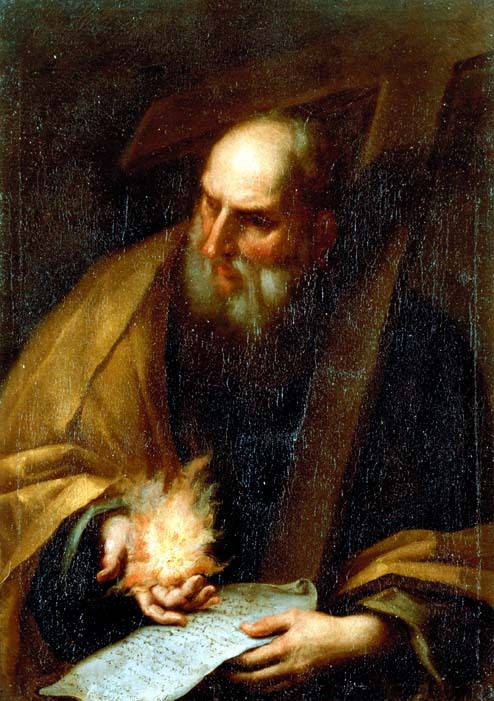
También se celebran el 11 de junio
¿Conoces una gracia o milagro atribuido a Saint Barnabas?
Reportar una Gracia o Milagro