Santo
Saint Bogumił
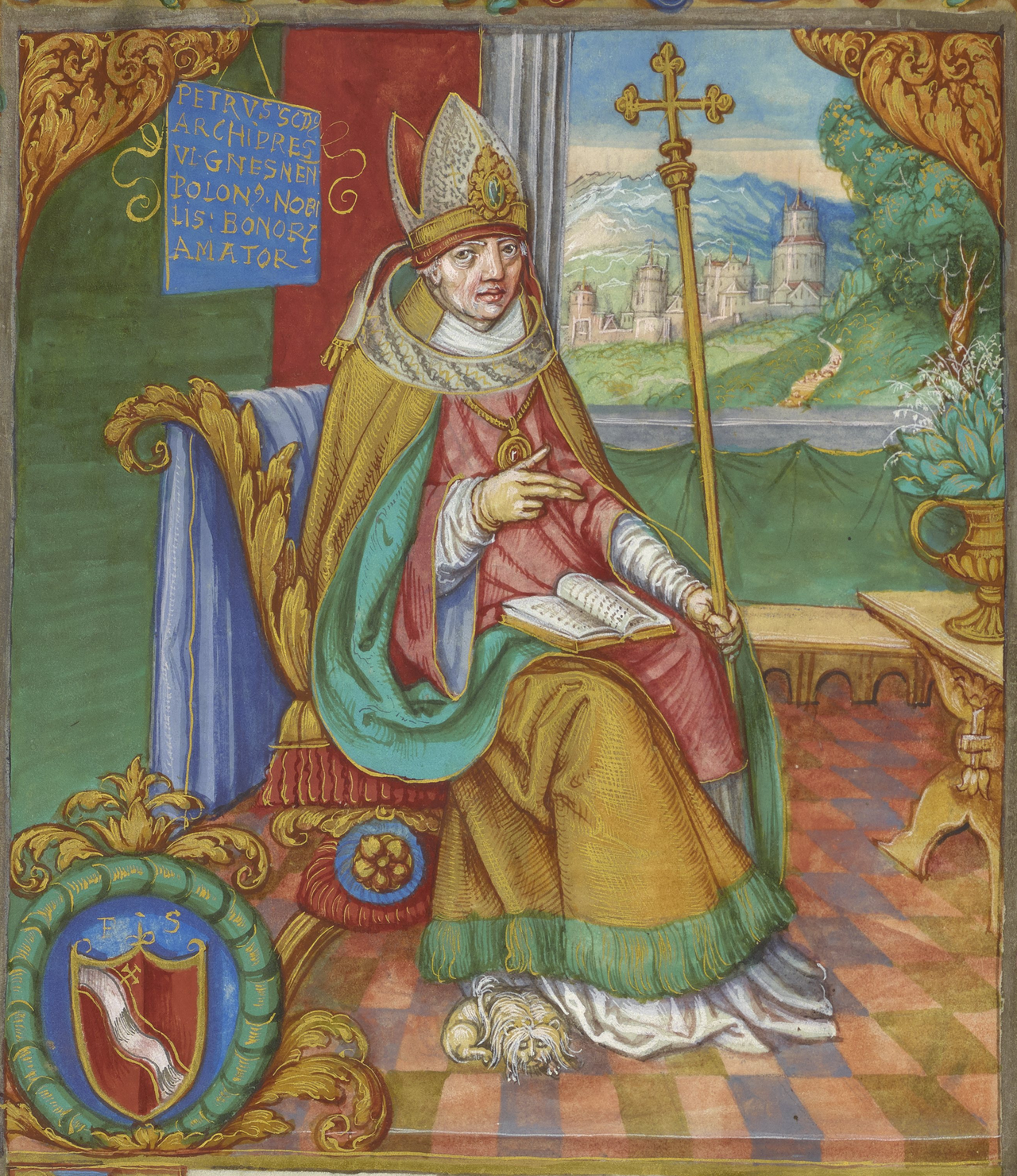
In the annals of the Polish Church, the life of this bishop stands as a stark testament to the radical nature of Christian renunciation.
Biografía
Esta biografía está disponible actualmente solo en inglés.
In the annals of the Polish Church, the life of this bishop stands as a stark testament to the radical nature of Christian renunciation. While the trajectory of most ecclesiastical leaders in the early medieval period moved toward consolidation of power and influence, this prelate chose the path of the desert. He is remembered not for the length of his tenure or the administrative achievements of his episcopate, but for the profound act of leaving his seat to embrace a life of solitude.
The see of Gniezno holds a foundational place in the history of Christianity in Poland, serving as the spiritual capital during the nation's formative centuries. To hold the office of bishop there was to occupy a position of immense responsibility within the Church structure. Yet, the records indicate that after leaving this episcopal see, the bishop sought a different kind of authority.
He traveled to Dobrowo, a location in Poland that would become the setting for his final pilgrimage. Here, he did not remain a figure of public governance but retreated into the life of a hermit.
This transition from the cathedral to the wilderness speaks to a deep interior conviction. The historical context of the time suggests a period where the Church was establishing its roots, yet the spiritual fervor of the individual believer remained paramount. At Dobrowo, he led a hermitic life, one characterized by extreme asceticism. The available data describes this period as one that was "consuming him," a phrase that vividly illustrates the physical and spiritual toll of his devotion. Such language implies a rigorous discipline, perhaps involving severe fasting or prolonged prayer, that gradually exhausted his earthly strength in favor of spiritual union.
It is a truth of hagiography that the lives of saints from this era are often preserved in fragments rather than comprehensive biographies. The precise dates of his birth or the specific year he resigned his bishopric remain unknown, lost to the passage of time. However, the tradition surrounding him is clear enough to establish a pattern of holiness. The fact that the anniversary of his death is commemorated at Dobrowo indicates that his hermitage was not a hidden secret but a known place of witness. The community that gathered there recognized the sanctity of his final years.
The legacy of this bishop serves as a counterweight to the institutional growth of the Church. In an age where the structure of the faith was being built stone by stone, his life reminds the faithful that the foundation of the Church is ultimately the individual soul's relationship with the Divine. He found the fullness of his vocation not in the governance of souls through administration, but in the consumption of self for the sake of the Divine.
Today, the commemoration at Dobrowo stands as a testament to this choice. It honors a man who prioritized the interior life over external status. The story of his departure from Gniezno and his subsequent withdrawal to Dobrowo invites reflection on the cost of holiness. It suggests that true sanctity may sometimes require a departure from the very structures that define a person's public identity. Through the ages, his memory endures in the quiet of Dobrowo, a reminder that the most profound leadership is sometimes found in the silence of the hermit's cell.
También se celebran el 10 de junio
¿Conoces una gracia o milagro atribuido a Saint Bogumił?
Reportar una Gracia o Milagro