Santo
Saint Edmund
The life of Edmund Rich, Archbishop of Canterbury, stands as a testament to the price of fidelity in an age of profound ecclesiastical tension.
Biografía
Esta biografía está disponible actualmente solo en inglés.
The life of Edmund Rich, Archbishop of Canterbury, stands as a testament to the price of fidelity in an age of profound ecclesiastical tension. While the specific details of his early years remain obscured by the mists of time, his legacy is defined not by birth or lineage, but by the ultimate sacrifice of exile. He is remembered foremost for his unwavering commitment to the independence of the Church, a stance that cost him his home and compelled him to journey far from the shores of England.
During his tenure as the spiritual leader of Canterbury, the prelate found himself at odds with the secular powers of the realm. The defense of the Church was not merely a matter of theological debate for him; it was a matter of spiritual survival. When the demands of the crown threatened the liberties of the faithful, he chose to stand firm.
This principled resistance led to his stricken exile, a punishment reserved for those who dared to challenge the temporal authority over the spiritual. To be an Archbishop forced into foreign lands was to endure a living death of sorts, separated from his flock and stripped of his pastoral seat.
It was in this state of displacement that his holiness was most fully realized. Tradition holds that he died near the town of Provins in France, a location that became the site of his *transitus*, or passing. Rather than succumbing to bitterness or despair during his years abroad, he is said to have died living a holy life. This detail suggests that his exile was not a period of stagnation, but one of continued spiritual fruitfulness. Even without the cathedral of Canterbury to anchor his ministry, his witness remained potent. The town of Provins witnessed the final breath of a man who had chosen the Church over his own comfort, sealing his sanctity with the seal of suffering.
Historical records regarding Edmund Rich are often sparse, leaving gaps in the narrative of his daily existence. However, what remains is the powerful image of a shepherd who was driven from his fold yet remained a shepherd in spirit. The fact that he is venerated as a saint indicates that his community recognized the extraordinary grace that sustained him through his years of displacement. He did not seek the throne of the world, but rather the throne of the Church, and when the world demanded he renounce it, he refused.
The enduring memory of Edmund Rich serves as a reminder that holiness is often forged in the fires of adversity. His story, though brief in its specific biographical details, resonates with the universal call to courage. He is a figure who reminds the faithful that the authority of the Church is not derived from temporal power, but from a higher allegiance. To this day, his *transitus* at Provins marks a point of convergence between the English Church and the broader Catholic world, a place where a bishop’s life ended in a manner that mirrored the sacrifice of the martyrs.
While the precise dates of his birth and ordination are lost to history, the impact of his tenure remains clear. He is a symbol of the Church’s resilience against the encroachments of the state, a figure who proved that spiritual authority cannot be exiled from the heart of the faithful. In the silence of his grave near Provins, the echo of his defense of the Church continues to ring, affirming that a life lived for the Gospel is never truly lost, even when the body is far from its home.
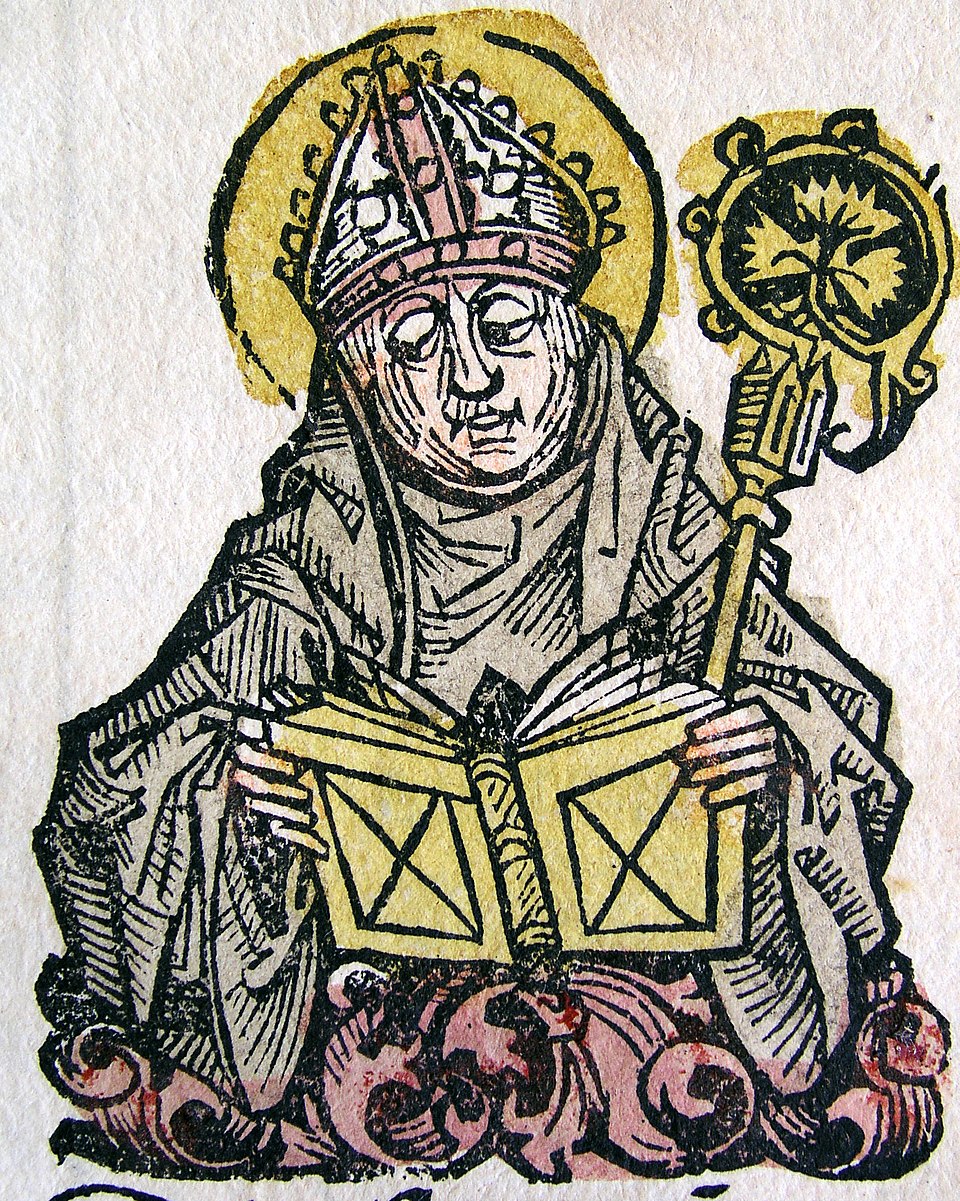
También se celebran el 16 de noviembre
¿Conoces una gracia o milagro atribuido a Saint Edmund?
Reportar una Gracia o Milagro