Santo
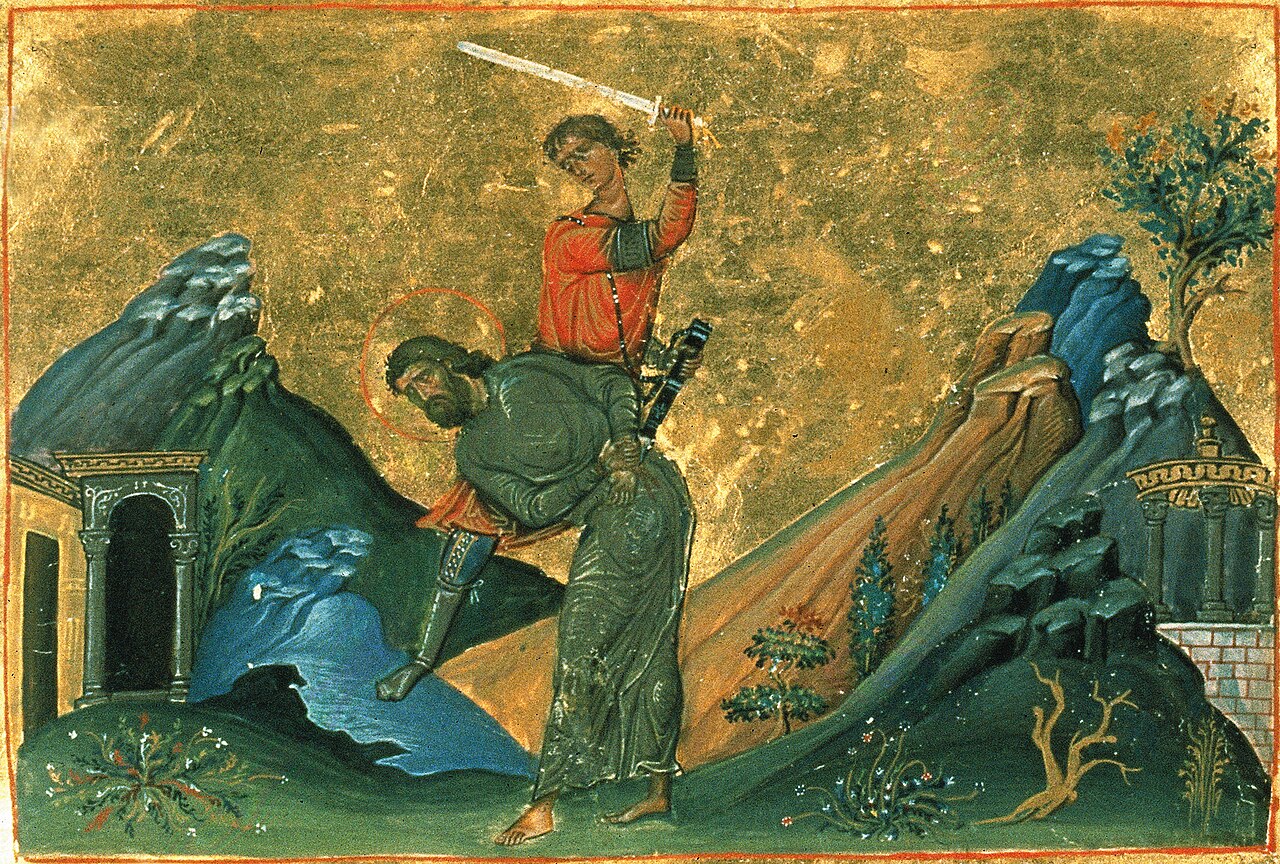
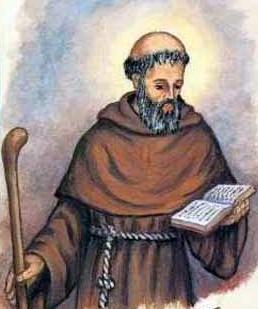
Saint Epimachus of Pelusium
The third century presented a crucible for the faithful in Egypt, a time when the Empire sought to unify itself through religious conformity rather than tolerance.
Biografía
Esta biografía está disponible actualmente solo en inglés.
The third century presented a crucible for the faithful in Egypt, a time when the Empire sought to unify itself through religious conformity rather than tolerance. It was within this atmosphere of shadow and coercion that the witness of Epimachus shines. As a martyr in the land of the Nile, his life stands as a testament to the unshakeable resolve required of Christians during the reign of Emperor Decius. While the precise chronology of his earthly life remains obscured by the mists of antiquity, the historical record firmly anchors his final hours within the intense persecution that swept across the Roman world around the year c. 250.
To understand the magnitude of his sacrifice, one must look to the geography of his faith. He is inextricably linked to Pelusium, a city of strategic importance in the Nile Delta, and Alexandria, the intellectual and spiritual heart of the Egyptian church.
Alexandria was a place where the clash between the ancient pagan order and the rising Christian community was often most visceral. In such a volatile environment, the call to remain steadfast was not merely a personal conviction but a public declaration of allegiance to a higher King. The tradition suggests that Epimachus did not live in obscurity during these turbulent years; rather, he found himself at the center of the conflict between civil authority and divine law.
The surviving accounts, though fragmentary, describe a pivotal moment during the Decian persecution. It is handed down that he observed the prefect’s actions as the machinery of the state sought to break the spirit of the believers. While the specific dialogue and the precise nature of the prefect's demands are lost to the truncation of the record, the narrative arc is clear. He saw the pressure applied to the faithful and, in the face of that authority, chose the path of the martyr. This confrontation was not a passive acceptance of fate but an active witness, a moment where the boundary between the earthly realm and the eternal kingdom was drawn in the sand.
It is honest to admit that the details of his trial and execution are not fully preserved in the annals of history. Many saints from this era share a similar fate, their names and stories preserved only in brief martyrologies. Yet, the silence of the archives does not diminish the reality of his sacrifice. The Decian edict demanded that all citizens perform sacrifices to the Roman gods and the well-being of the Empire, often under threat of death. To refuse was to face the sword or the fire. Epimachus chose the latter, offering his life as a final prayer for the Church.
His legacy is one of endurance. In a time when many were compelled to purchase certificates of compliance, known as libelli, to prove their loyalty to the state gods, Epimachus remained a stone of contention. The association with Pelusium and Alexandria ensures that his memory is woven into the fabric of the Egyptian church’s history. He is remembered not for the details of his birth or his early education, but for the clarity of his final witness.
Today, his story serves as a reminder of the cost of discipleship in the early Church. The fragmentary nature of his biography invites the faithful to reflect on the countless others who stood alongside him, whose names were not recorded but whose faith was just as real. In the shadow of the prefect’s tribunal, Epimachus found the light of Christ. His life, cut short by the violence of the age, was completed in the very act of refusal to deny his Lord. This remains the core of his remarkable existence: a man who saw the power of the state and chose the power of God, securing his place in the communion of saints through his blood.
También se celebran el 31 de octubre
¿Conoces una gracia o milagro atribuido a Saint Epimachus of Pelusium?
Reportar una Gracia o Milagro