Santo
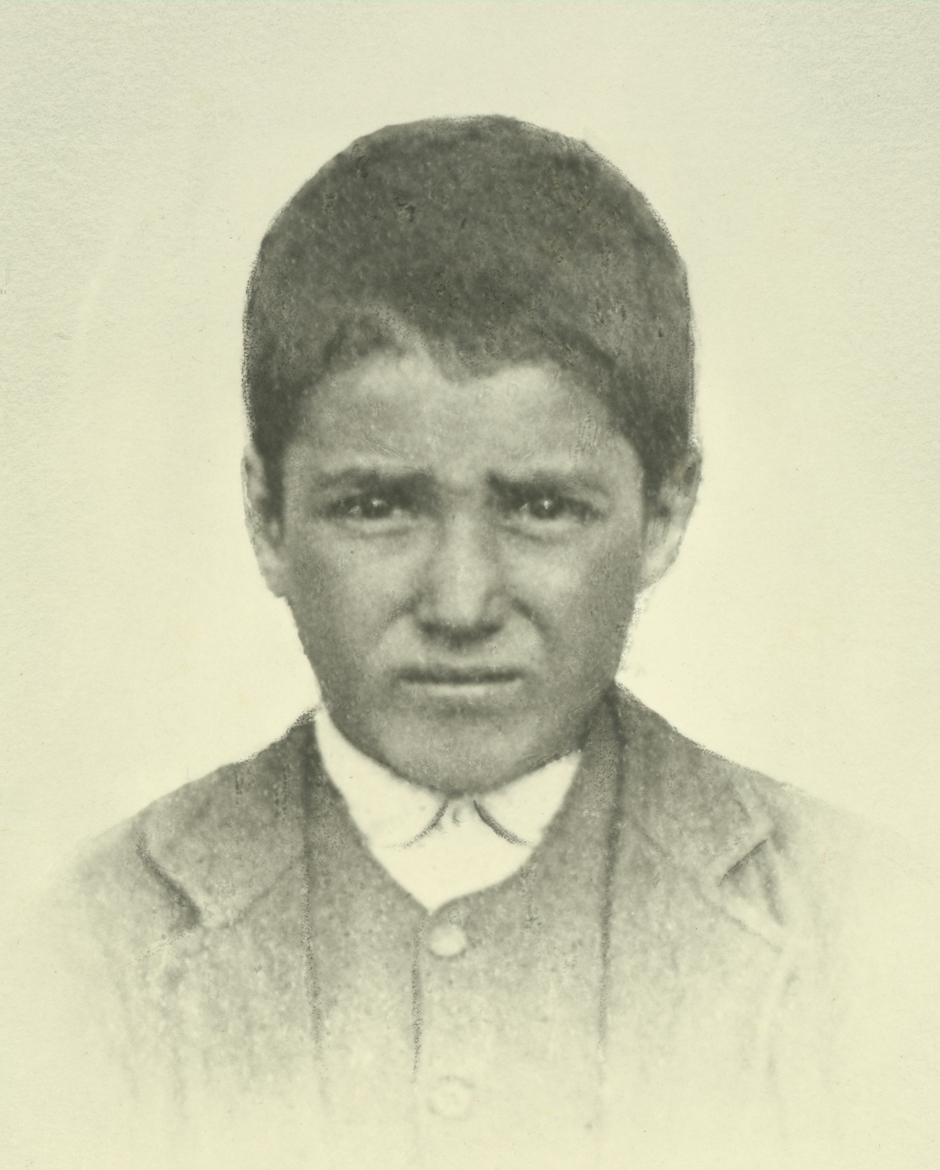
Saint Francisco de Jesus Marto
The most striking aspect of this holy life is the profound paradox of a child who, while rapidly consumed by a mortal illness, achieved a stature of holiness that transcended his short years.
Biografía
Esta biografía está disponible actualmente solo en inglés.
The most striking aspect of this holy life is the profound paradox of a child who, while rapidly consumed by a mortal illness, achieved a stature of holiness that transcended his short years. Francisco de Jesus Marto stands as a testament to the idea that sanctity is not measured by the length of one’s days, but by the depth of one’s surrender. He was a seer of Fatima, a title that anchors his existence within one of the most significant religious events of the modern era, yet his life was marked by the vulnerability of youth and the sharp reality of physical suffering.
At the town of Aljustrel near Fatima in Portugal, the spiritual landscape was transformed by the presence of a young shepherd. This region, known for its rural simplicity and deep-rooted Catholic faith, became the stage for divine communication. Francisco, who was still a child when the events unfolded, shone for his holiness amidst the trials of his earthly existence. While the historical record of his daily life is sparse, the enduring legacy of his witness suggests a spirit that was entirely open to the divine. In an era where the young were often viewed as merely in need of instruction, Francisco’s role as a visionary elevated him to a position of spiritual authority, challenging the world to listen to the voice of innocence.
The narrative of his life is inextricably linked to the phenomenon at Fatima. During this time, the young seer participated in the mysteries that would later be known as the apparitions of Our Lady of the Rosary. These encounters were not merely private spiritual experiences but public events that shook the foundations of belief in early twentieth-century Portugal. The context of the nation during these years was one of social and political upheaval, yet within this turmoil, Francisco’s focus remained fixed on the spiritual realm. His participation was characterized by a simplicity that resonated with the faithful, who saw in him a pure vessel for heavenly messages.
However, the physical toll of his existence was severe. Francisco was rapidly consumed by an illness while still a child. This suffering was not a hindrance to his mission but rather a participation in the redemptive suffering of Christ. In the hagiographic tradition, such illness is often viewed as a purification, a means by which the soul is detached from the world to be united more closely with the divine. Despite the pain and the wasting of his young body, he maintained a spirit that radiated grace. The brevity of his life, cut short by the disease that took him in his teens, serves as a stark reminder of the fragility of human life compared to the endurance of the soul.
Though specific details of his daily routine are not fully preserved in the available records, the essence of his character is clear. He was a child who carried the weight of a message from heaven, bearing it with a humility that belied his young age. In the annals of the Church, he is remembered not for what he did not live to become, but for what he was while he lived. His witness stands as an eternal beacon, proving that even the shortest life, when offered in love and suffering, can illuminate the path for generations to come. The town of Aljustrel remains a place of pilgrimage, where the memory of this young seer is honored alongside the sanctity of the place where he encountered the divine.
¿Conoces una gracia o milagro atribuido a Saint Francisco de Jesus Marto?
Reportar una Gracia o Milagro