Santo
Saint Gideon
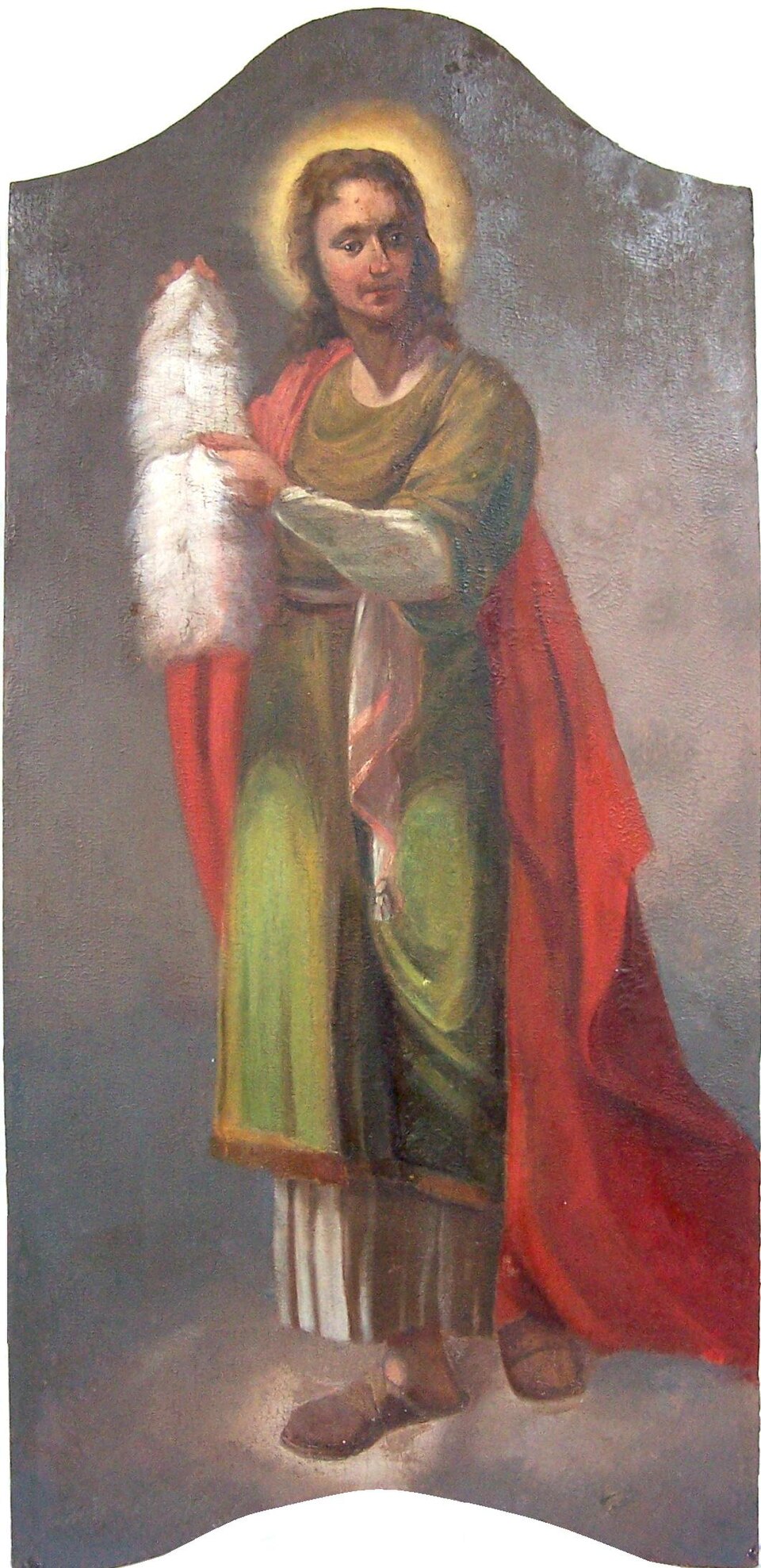
The most striking feature of this saint’s legacy is not a miracle of healing or a vision of heaven, but a profound lesson in humility and faith encapsulated in a single, domestic image.
Biografía
Esta biografía está disponible actualmente solo en inglés.
The most striking feature of this saint’s legacy is not a miracle of healing or a vision of heaven, but a profound lesson in humility and faith encapsulated in a single, domestic image. While many biblical figures are remembered for their military prowess or royal lineage, this judge of Israel is uniquely commemorated for a request that required immense vulnerability: the sign of the dew that descended on the fleece. This event, recorded in the sacred texts, distinguishes the saint as a man who sought divine reassurance not through grand displays of power, but through a humble plea for confirmation. It is this specific interaction with the Lord that anchors his veneration, marking him as a figure of deep reliance on Providence even amidst uncertainty.
Historically, the figure known as Gideon is situated within the turbulent era of the Judges, a period in ancient Israelian history characterized by cyclical patterns of oppression, deliverance, and spiritual renewal. He is identified as a member of the tribe of Manasseh, a significant lineage within the northern territories of the land of Israel. The role of a judge in this context was not merely legalistic; it entailed a prophetic and military leadership wherein the individual acted as a deliverer raised up to guide the people back to covenant faithfulness. As a prophet as well as a judge, his life was marked by a dual function: to lead the people politically and to speak for the divine will. This combination of offices suggests a man of rare spiritual sensitivity, entrusted with the weight of national leadership while remaining acutely aware of his own dependence on the Almighty.
The scarcity of specific biographical details regarding his early life or death requires an honest acknowledgment of the limitations in the historical record. Unlike saints of later centuries whose lives were documented by contemporaries with exhaustive detail, the data available concerning this judge is concentrated on his defining spiritual moment. We know he was a judge of Israel, we know his tribal origin, and we know the specific sign he received. This sign was not demanded out of arrogance, but rather from a need for clarity in the face of a daunting task, reflecting the human struggle to discern God’s will in times of crisis.
The liturgical memory of the faithful preserves this legacy through a specific commemoration. The Church recognizes the saint not merely for the outcome of his leadership, but for the manner in which he sought guidance. By accepting the sign of the dew, he became a model for the faithful who may feel called to serve but hesitate without visible confirmation. The story of the fleece remains a unique marker in hagiography, illustrating that faith does not preclude the need for gentle reassurance. It highlights a theological truth that the divine accommodates human frailty, offering signs to those who seek them with a contrite heart.
While the specific dates of his birth and death are not preserved in the surviving data, his impact is measured by his enduring place in the calendar of the faithful. The veneration of this judge of the tribe of Manasseh serves as a reminder of the power of prayer and the tangible nature of divine communication. His life, though sparsely detailed in some respects, shines brightly through the lens of the fleece, a symbol that continues to resonate with believers seeking guidance. In the vast tapestry of the saints, this figure stands out for a quiet, pastoral moment of divine interaction that transcends the typical expectations of a military leader, cementing a legacy defined by trust rather than triumph.
También se celebran el 26 de septiembre



¿Conoces una gracia o milagro atribuido a Saint Gideon?
Reportar una Gracia o Milagro