Santo
Saint Guidon
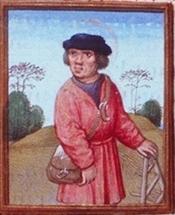
In the rolling landscapes of Brabant, within the territory that would eventually become modern-day Belgium, a name endures in the memory of the faithful: Guidon of Anderlecht.
Biografía
Esta biografía está disponible actualmente solo en inglés.
In the rolling landscapes of Brabant, within the territory that would eventually become modern-day Belgium, a name endures in the memory of the faithful: Guidon of Anderlecht. While the specific chronicles of his early years remain shrouded in the mists of time, the essence of his holiness is vividly preserved in the traditions of the region. He is not remembered for grand political maneuvers or military conquests, but for a quiet, radical devotion to the marginalized. His life stands as a testament to the power of hospitality and the sacred duty of caring for the needy, qualities that defined his brief but impactful presence in the ecclesiastical records of the Low Countries.
Historically, the area of Anderlecht was a hub of spiritual significance, drawing travelers and the devout alike. It was in this setting that Guidon first appeared as a pilgrim. The designation of pilgrim in his
biography suggests a life of movement and seeking, a spiritual journey that eventually led him to settle in the service of the Church. Before he became a local figure of veneration, he served as a guardian of the church of Mariensee. This role was not merely custodial; in the medieval context, a guardian was responsible for the physical and spiritual upkeep of a sacred space, ensuring it remained a sanctuary for the faithful. It required a deep commitment to the preservation of the liturgy and the maintenance of the building that housed the relics and the altar.
It was during his tenure as guardian that his true character shone most brightly. Tradition records him as a man defined by his generosity towards the poor. In an era where social safety nets were non-existent, the church often served as the primary refuge for the destitute. Guidon did not merely open the doors of the church; he opened his own resources to those who came knocking. His generosity was not a sporadic act of charity but a defining characteristic of his existence. He understood that the divine was present in the faces of the hungry and the destitute, and his service was a tangible expression of his faith. This practice of almsgiving was a hallmark of the saintly life in the region, reflecting the broader theological emphasis of the time on works of mercy as a path to sanctity.
The specific dates of his life remain uncertain, as is common with many saints of the early medieval period in this region. However, his association with Anderlecht places him within a community that would later become famous for its own shrines and devotional practices. The legacy of Saint Guidon d’Anderlecht is one of humility. He did not seek fame, yet his reputation for kindness secured his place in the hearts of the local population. While the detailed narrative of his final days is lost to the fragmentary nature of the historical record, what remains is a clear picture of a servant of God. He transitioned from a wandering pilgrim to a settled guardian, finding his vocation in the daily work of charity.
His life challenges the modern observer to consider the weight of their own resources and the location of their priorities. In the quiet devotion of Mariensee and the bustling streets of Anderlecht, his spirit lingers through the enduring memory of his almsgiving. He remains a model of the Christian virtue of charity, a man whose name is synonymous with the care of the poor in the heart of Brabant. Though the written word may not capture every detail of his journey, the tradition of his holiness ensures that his contribution to the spiritual landscape of Belgium is not forgotten.
También se celebran el 12 de septiembre
¿Conoces una gracia o milagro atribuido a Saint Guidon?
Reportar una Gracia o Milagro