SantoAnterior a la Congregación
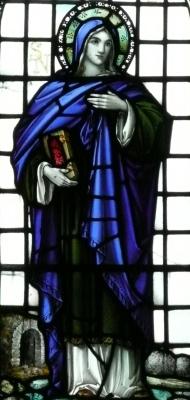
San Anselmo de Nonantola
The life of Anselm stands as a testament to the profound capacity for spiritual metamorphosis within the corridors of secular power.
Biografía
Esta biografía está disponible actualmente solo en inglés.
The life of Anselm stands as a testament to the profound capacity for spiritual metamorphosis within the corridors of secular power. Few figures in the turbulent history of the Lombard era demonstrate such a radical shift from the sword to the cross. While he entered the world amidst the high nobility of the region, holding the title of Duke of Friuli, his ultimate legacy was forged in the quietude of the monastery rather than the clamor of the battlefield.
Born at Forum Juhi, in what is now modern Friuli, Italy, he was intimately connected to the royal house as the brother-in-law of the Lombard King Aistulph. For years, he served as a career soldier, a man of action who navigated the dangerous political landscape of early medieval Italy. Yet, a deeper calling eventually drew him away from martial pursuits. In 753, the Duke made a decisive break with his former life, traveling to Rome to become a Benedictine monk. This was not a retreat from the world, but a reordering of it. He returned to Italy with a vision of charitable service, founding abbeys in Fanano and Modena. Most significantly, he established the Abbey of Nonantola. These institutions were not merely places of prayer; they were centers of social welfare, including hospitals and hostels that served the poor and travelers alike, reflecting the Benedictine ideal of hospitality.
Under his guidance, the house at Nonantola flourished into a major religious community. Anselm served as its Abbot, and under his stewardship, the monastery grew to house a thousand brothers. His influence extended to the highest ecclesiastical levels; he received specific permission from Pope Stephen III to transfer the body of Pope Saint Sylvester I to the house, a privilege that cemented the abbey's spiritual significance and drew pilgrims to the region. This transfer of relics was a significant act of honor, linking the local community to the broader history of the papacy and the early Church.
His piety did not shield him from political turmoil. King Desiderius banished him to Monte Cassino, and the holy man endured seven years in exile. Following the political shifts of the era, Charlemagne intervened to restore him to his position, allowing the Abbot to resume his work. Anselm lived out the remainder of his days in service, passing away in 803 from natural causes. He is revered today as the patron of
¿Conoces una gracia o milagro atribuido a San Anselmo de Nonantola?
Reportar una Gracia o Milagro