SantoAnterior a la Congregación
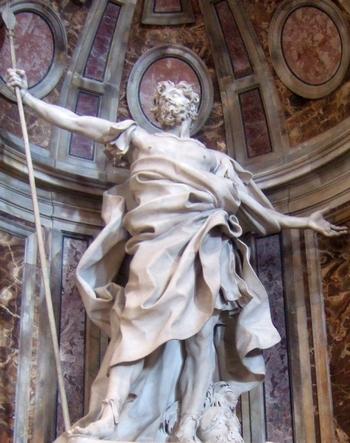
San Longino el Centurión
San Longino, también conocido como San Longino, fue una figura bien conocida en la historia cristiana y es venerado como mártir y converso.
Biografía
San Longino, también conocido como San Longino, fue una figura bien conocida en la historia cristiana y es venerado como mártir y converso. Nació en Capadocia, y eventualmente se convirtió en centurión en el ejército romano. Durante su servicio, desempeñó un papel significativo en la crucifixión de Jesucristo. Según los relatos históricos, San Longino estuvo presente en la crucifixión de Jesús en la Colina del Calvario. Como centurión, era responsable de mantener el orden y asegurar que la ejecución se llevara a cabo correctamente. Fue entonces cuando, famosamente, clavó la lanza en el costado de Jesús, infligiendo la herida final. Este acto es visto por muchos como un acto de fe y reconocimiento de la divinidad de Jesús. Tras los acontecimientos del Calvario, San Longino experimentó una profunda conversión.
Testigos de los sucesos alrededor de la crucifixión de Jesús, junto con los incontables milagros que siguieron, lo llevaron a abrazar el cristianismo. Se convirtió en un seguidor devoto de Jesús, renunciando a su anterior vida de soldado y dedicándose a difundir las enseñanzas de Cristo. Sin embargo, la nueva fe y conversión de San Longino tuvieron un costo. Su compromiso con el cristianismo y su negativa a renunciar a sus creencias condujeron a su martirio. Poncio Pilato, el gobernador romano que había ordenado la crucifixión de Jesús, emitió una orden para ejecutar a Longino. Fue martirizado en Capadocia en el siglo I, dando testimonio de su fe frente a la persecución. Los restos de San Longino fueron preservados posteriormente y se convirtieron en objetos de veneración.
La iglesia de San Agustín en Roma, Italia, alberga algunos de estos restos, mientras que otros se encuentran debajo del altar de la iglesia de San Nicolás en Baschi, Italia. Devotos de diversas denominaciones cristianas visitan estos lugares para rendir homenaje y pedir su intercesión. San Longino es ampliamente reconocido como santo patrón de los soldados, y su fiesta se celebra el 16 de octubre. En la Forma Extraordinaria de la Iglesia Católica Romana, su fiesta se observa el 15 de octubre, mientras que la Iglesia Apostólica Armena la reconoce el 22 de octubre y la Iglesia Ortodoxa Copta el 14 de noviembre. Además, San Longino está asociado con la ciudad de Baschi en Italia, donde goza de veneración local. A través de su valeroso acto en la crucifixión y su profunda conversión, San Longino sirve como ejemplo de fe, arrepentimiento y el poder transformador de encontrar a Jesucristo. Su historia continúa inspirando a los creyentes y sirve como recordatorio del sacrificio y compromiso requeridos para vivir una vida dedicada a Cristo.
¿Conoces una gracia o milagro atribuido a San Longino el Centurión?
Reportar una Gracia o Milagro