Santa
Santa Matilda de Sajonia
Santa Matilda de Sajonia, también conocida como Matilda de Alemania o Matilda de Ringelheim, nació alrededor del año 895 en Engern, Westfalia, Alemania.
Biografía
Santa Matilda de Sajonia, también conocida como Matilda de Alemania o Matilda de Ringelheim, nació alrededor del año 895 en Engern, Westfalia, Alemania. Era hija del conde Dietrich de Westfalia y de Reinhild de Dinamarca. Tras la muerte de sus padres, Matilda fue criada por su abuela, quien era abadesa de Eufurt.
En el año 913, Matilda abandonó el convento y se casó con el rey Enrique el Fuerte de Sajonia (Enrique I), quien había obtenido una nulidad de un matrimonio anterior. Como reina de Alemania, Matilda dio a luz a varios hijos, entre ellos Otto, quien más tarde se convirtió en Emperador del Sacro Imperio Romano; Enrique el Contencioso, duque de Baviera; San Bruno el Grande, arzobispo de Colonia, Alemania; Gerberga, esposa del rey Luis IV de Francia; y Hedwig, madre de Hugo Capeto.
La influencia de Santa Matilda se extendió más allá de su papel como madre y reina. Fundó varios conventos benedictinos y fue ampliamente conocida por todo el reino por su generosidad y caridad. Se dedicó a enseñar a los ignorantes, consolar a los enfermos y visitar a los prisioneros.
Sin embargo, la vida de Santa Matilda no estuvo exenta de desafíos. Tras la muerte del rey Enrique, fue traicionada por su propio hijo Otto, quien la acusó falsamente de malversación financiera, manchando su reputación. A pesar de estas acusaciones falsas, Matilda permaneció firme en su fe y continuó sirviendo a otros.
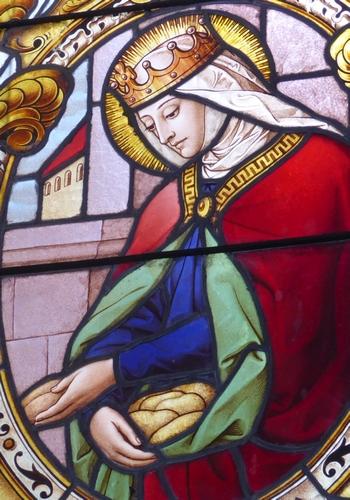
Santa Matilda de Sajonia suele representarse con símbolos de su generosidad, como limosnas, bolsas de dinero, una corona, un orbe y un cetro. Se la representa como una reina sosteniendo un látigo o una iglesia, destacando su condición real y su devoción a la Iglesia.
Santa Matilda falleció el 14 de marzo de 968 en Quedlinburg, Alemania, por causas naturales. Fue enterrada en el monasterio de Quedlinburg, donde su tumba es venerada hoy en día por peregrinos.
Devota de su familia, de los pobres y de los marginados, Santa Matilda de Sajonia es venerada como santa patrona para diversas causas. Se invoca especialmente por la muerte de los hijos y por los hijos desilusionantes, por quienes son acusados falsamente, por las grandes familias, por quienes son ridiculizados por su piedad, por reinas, por segundas bodas y por viudas.
La vida de Santa Matilda sirve de ejemplo de fe inquebrantable, desinterés y resiliencia ante la adversidad. Su legado continúa inspirando y fortaleciendo a los fieles.
¿Conoces una gracia o milagro atribuido a Santa Matilda de Sajonia?
Reportar una Gracia o Milagro