Santo
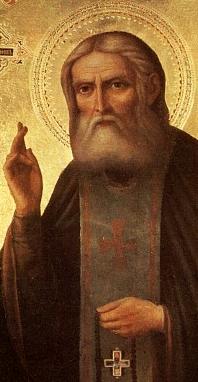
San Serafim de Sarov
San Seraphim de Sarov, también conocido como Prokhor Moshnin, nació en 1759 en Kursk, Rusia.
Biografía
San Seraphim de Sarov, también conocido como Prokhor Moshnin, nació en 1759 en Kursk, Rusia. Provenía de una familia de clase media, su padre siendo constructor. Desde niño, Seraphim mostró una naturaleza estudiosa y una inclinación hacia la espiritualidad, lo que lo llevó a unirse al monasterio de Sarov en 1777, donde tomó el nombre de Seraphim al convertirse en monje. Los monjes del monasterio de Sarov mantenían un fuerte enfoque en el estudio de las Escrituras y los escritos de la Iglesia primitiva, lo cual se ajustaba a la disposición erudita de Seraphim. Sin embargo, su camino hacia la santidad no estuvo exento de desafíos. De 1780 a 1783, Seraphim cayó gravemente enfermo y permaneció en cama. A pesar de sus afecciones físicas, continuó dedicándose a sus estudios y experimentó apariciones repetidas de la Virgen María durante este período.
En 1793, Seraphim fue ordenado sacerdote y comenzó a celebrar la Misa diariamente, lo cual era considerado poco común en aquel entonces. Su dedicación a la oración y los sacramentos profundizó su conexión espiritual con Dios. Sin embargo, buscando un viaje interior más intenso, Seraphim decidió convertirse en ermitaño en 1794, viviendo en el bosque cerca del monasterio de Sarov. La vida de Seraphim como ermitaño estuvo marcada por la soledad, la oración y la ascética. Buscó desprenderse de las distracciones mundanas para dedicarse plenamente a Dios. Sin embargo, en 1804, fue atacado brutalmente por ladrones y dejado por muerto. A pesar de sus heridas, Seraphim logró arrastrarse de regreso al monasterio. Le tomó cinco meses recuperarse, pero su salud física nunca mejoró por completo, y pasó el resto de su vida encorvado y apoyándose en un bastón para caminar.
Buscando alturas espirituales aún mayores, Seraphim vivió durante un tiempo sobre un pilar y luego en una celda cerrada. Su extrema ascética llevó a muchos a admirarlo y buscar su guía. En 1807, Seraphim fue ofrecido el cargo de abad, o jefe, del monasterio de Sarov, pero lo rechazó, optando por una vida de silencio durante los siguientes tres años. Sin embargo, en 1810, la salud de Seraphim deterioró hasta el punto de que ya no pudo vivir en el bosque. Regresó a la abadía de Sarov y retomó vivir como ermitaño dentro de sus muros. Fue durante este tiempo cuando recibió una visión de la Virgen María, que le instruía a compartir su sabiduría y espiritualidad con otros. Siguiendo esta directiva, Seraphim atrajo seguidores y estudiantes que buscaban su guía.
Se convirtió en un respetado maestro espiritual, ganando el título honorífico «starets» en el idioma ruso. Muchas personas acudían a él buscando sanación, tanto física como espiritual. Las enseñanzas de Seraphim, marcadas por un profundo amor a Cristo, sencillez, humildad y la adquisición del Espíritu Santo, eran altamente valoradas e inspiraban a incontables individuos. La sabiduría y enseñanzas de Seraphim se extendieron más allá de su comunidad inmediata e influyeron en personas en toda Rusia y más allá. Sus escritos han sido reimpresos en Occidente, e incluso el Papa Juan Pablo II lo mencionó en su libro «Umbral de la Esperanza». San Seraphim de Sarov murió el 2 de enero de 1833, en el monasterio de Sarov, en su ermita. Su muerte fue atribuida a causas naturales. Canonizado por la Iglesia Ortodoxa Rusa en 1903, San Seraphim sigue siendo una fuente de inspiración y una figura querida en la tradición cristiana ortodoxa.
¿Conoces una gracia o milagro atribuido a San Serafim de Sarov?
Reportar una Gracia o Milagro