SaintMartyrPre-Congregation
Saint Castulus of Rome
Saint Castulus of Rome, also known as Castulus of Moosburg, was a military officer in the imperial palace in Rome during the reign of Emperor Diocletian.
Biography
Saint Castulus of Rome, also known as Castulus of Moosburg, was a military officer in the imperial palace in Rome during the reign of Emperor Diocletian. He was a devout Christian, although he kept his faith quiet due to the rampant persecution of Christians at the time.
Our understanding of historical documents indicates that Saint Castulus was married to Saint Irene of Rome. Their marriage was a testament to their shared love for God and their commitment to living virtuously in the midst of a hostile environment.
Saint Castulus exhibited great compassion and bravery by sheltering fellow Christians who were being hunted down and persecuted by the Roman authorities. However, his acts of kindness and his unwavering faith did not go unnoticed. He was denounced to the authorities, leading to his arrest, torture, and eventual martyrdom.
In 288, Saint Castulus was buried alive on the Via Labicana outside Rome, Italy. The land where he was buried became a holy site, leading to the development of a cemetery named after him. In the 7th century, a church dedicated to Saint Castulus was constructed on the very spot where he was executed, further solidifying his status as a revered Christian martyr.
Saint Castulus is associated with a variety of patronages. He is venerated as a protector against blood poisoning, drowning, erysipelas, fever, horse theft, lightning, storms, and wildfires. His feast day is celebrated on March 26th.
One of the distinctive symbols associated with Saint Castulus is a spade, which serves as a reference to his burial alive. This symbol, along with his feast day falling in early spring, has led to his association with farmers and subsequently with shepherds.
Although Saint Castulus was canonized before the formal establishment of the Congregation for the Causes of Saints, he is recognized as a pre-congregation saint. His relics were initially transferred to a Benedictine monastery in Moosburg an der Isar, Germany, around the year 768. Later, in 1604, the relics were moved to Landshut, Germany.
Today, Saint Castulus continues to be venerated for his unwavering faith, his selfless acts of compassion, and his ultimate sacrifice. His life serves as a powerful example of courage, devotion, and loyalty to God, inspiring believers to stand firm in their faith in the face of adversity.
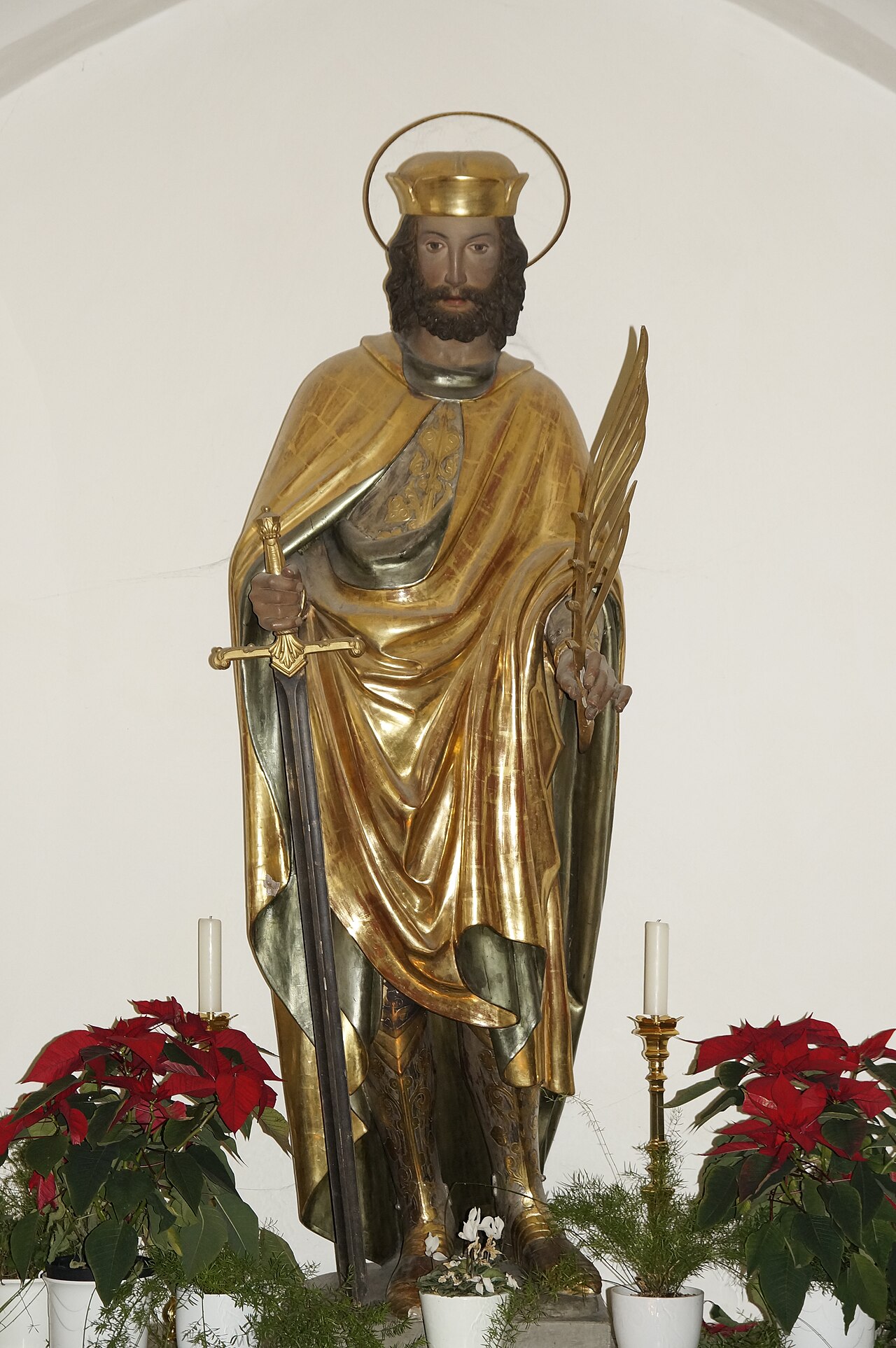
Image: Public domain via Wikimedia Commons (Moosburg Kastulus Ursulakapelle.jpg)
Know of a grace or miracle attributed to Saint Castulus of Rome?
Report a Grace or Miracle