SaintPre-Congregation
Saint Ostianus
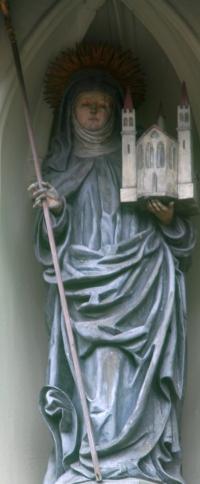
Saint Ostianus, also known as Ostian, Ostiane, Ostiano, or Hostien, was a remarkable figure in the early centuries of Christianity.
Biography
Saint Ostianus, also known as Ostian, Ostiane, Ostiano, or Hostien, was a remarkable figure in the early centuries of Christianity. Born in the 6th century, he was a relative of King Sigismund of Burgundy and the renowned Saint Venantius of Viviers. Saint Ostianus lived a life of incredible devotion and selflessness, leaving a lasting impact on the dioceses of Viviers and Puy in France. At a young age, Ostianus felt a profound calling to dedicate himself to the service of God and his fellow human beings. Inspired by the teachings of Christ on renouncing worldly possessions, he willingly gave away all that he owned. With an intense desire to spread the message of love and faith, Ostianus sought ordination and became a priest.
He wholeheartedly embraced his role as a servant of God, devoting his life to evangelizing the people of Viviers and Puy. Saint Ostianus worked closely with Saint Venantius, forming a powerful partnership in their shared mission. Together, they tirelessly spread the Gospel and embraced the local communities, offering guidance, comfort, and healing. It was during this time that Ostianus became renowned for his miraculous ability to restore eyesight to the blind. Many people came from far and wide, seeking solace in his presence and experiencing the transformative power of his healing touch. As he grew older, Saint Ostianus felt a deep longing for solitude and contemplation. Moved by this inner calling, he eventually settled as a hermit near Viviers. Despite his seclusion, his fame as a holy man and healer continued to spread, attracting numerous visitors who sought his guidance and blessings.
Throughout his life, Saint Ostianus exemplified unwavering faith, selflessness, and humility, inspiring countless individuals to live virtuous lives dedicated to the service of others. After his death, the relics of Saint Ostianus were enshrined by Bishop Bernoin in the mid-9th century. His influence and reputation lived on, as the city council of Viviers called upon the saint's relics to end a severe drought in 1711. The relics were processed through the city, bringing about much-needed rain and alleviating the suffering of the people. In 1869, the relics were rediscovered in a stone sarcophagus, and some were subsequently transferred to the cathedral of Viviers on August 19, 1880. Additionally, some of the relics found their resting place in the Saint-Ostian chapel within the church of Saint Martin di Couspiè.
Even though Saint Ostianus was not officially canonized by the Church before the establishment of the Congregation for the Causes of Saints, his life, works, and veneration by the faithful firmly place him among the revered saints. Today, he is recognized as the patron saint of Viviers, France, as well as a powerful intercessor for those seeking rain in Viviers. The extraordinary life of Saint Ostianus serves as an enduring testament to the transformative power of faith, love, and selflessness.
Also remembered on June 30
Know of a grace or miracle attributed to Saint Ostianus?
Report a Grace or Miracle