Saint
Saint Rosalia
Saint Rosalia, also known as La Santuzza (the little saint), was born in Palermo, Sicily, around 1130.
Biography
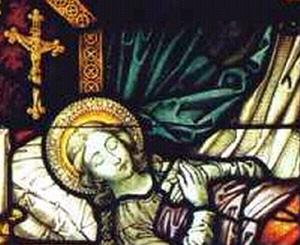
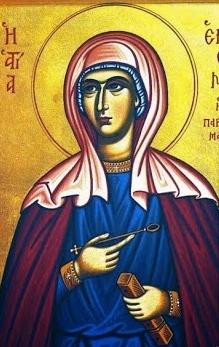
Saint Rosalia, also known as La Santuzza (the little saint), was born in Palermo, Sicily, around 1130. She was the daughter of Sinibald, Lord of Roses, and Quisquina, and was of noble descent, tracing her lineage back to Charlemagne. From an early age, Rosalia felt a calling to dedicate her life to God. Raised in the royal Sicilian court, Rosalia was exposed to a life of privilege and luxury. However, she was not content with worldly pursuits and longed for a life of solitude and devotion to God. As a young woman, she made the decision to leave her family and retreat to a cave near her parents' home. According to tradition, Rosalia was guided to the cave by two angels.
In this solitary abode, she wrote on the cave wall, "I, Rosalia, daughter of Sinibald, Lord of Roses, and Quisquina, have taken the resolution to live in this cave for the love of my Lord, Jesus Christ." From that moment
on, Rosalia lived in seclusion, dedicating her life to prayer and acts of penance for the sake of Jesus. Rosalia remained hidden from the world, unknown to society, and died alone in the cave around 1160, apparently of natural causes. Workers later discovered her remains and buried her in the cave, causing it to collapse. In 1625, during a severe plague outbreak, Rosalia appeared in a vision to a hunter near her cave. This vision led to the discovery of her relics, which were subsequently brought to the city of Palermo.
As the relics were paraded through the streets, a miracle occurred - the plague ended. This event was attributed to the intercession of Saint Rosalia, and she was proclaimed the patroness of Palermo. The celebration of Saint Rosalia, known as the Festival of Rosalia, became a cherished tradition in Palermo. The festivities lasted several days and included fireworks, parades, and religious ceremonies in honor of the saint. Recognizing her significance, Pope Pius XI declared her feast day, September 4th, a holy day of obligation in 1927. Today, Saint Rosalia is venerated as a beloved patron saint in various locations in Italy, including Baucina, Benetutti, Bivona, Caltagirone (diocese of), Campofelice di Roccella, Delia, Isola delle Femine, Lentiscosa, Palermo, Pegli, Racalmuto, San Mango Cilento, Santo Stefano Quisquina, Sicily, and Vicari. Her life serves as an inspiration for those seeking divine solitude and devotion to God.
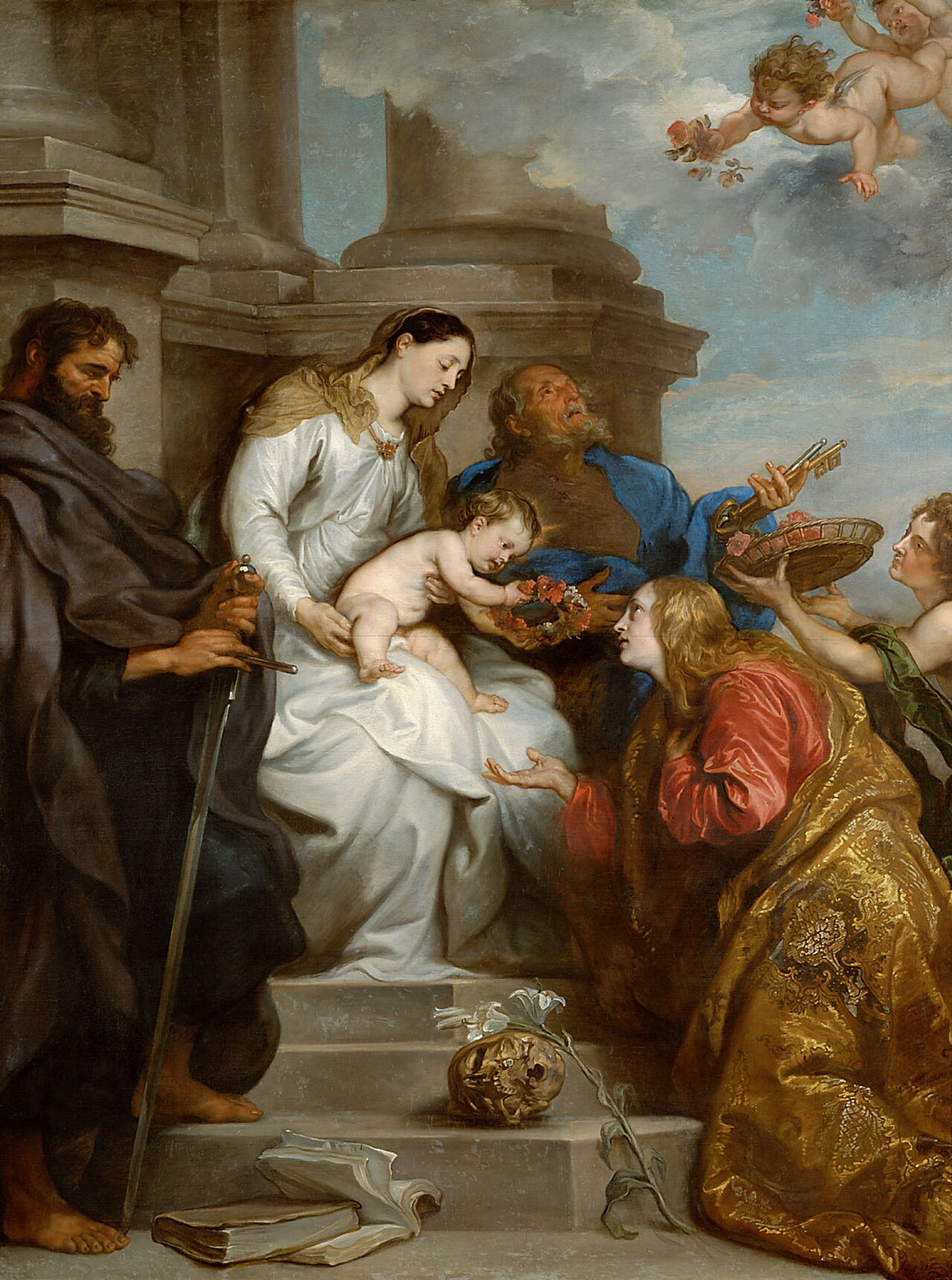
Wikimedia Commons
Also remembered on September 4
Know of a grace or miracle attributed to Saint Rosalia?
Report a Grace or Miracle