Santo
Saint Eric IX
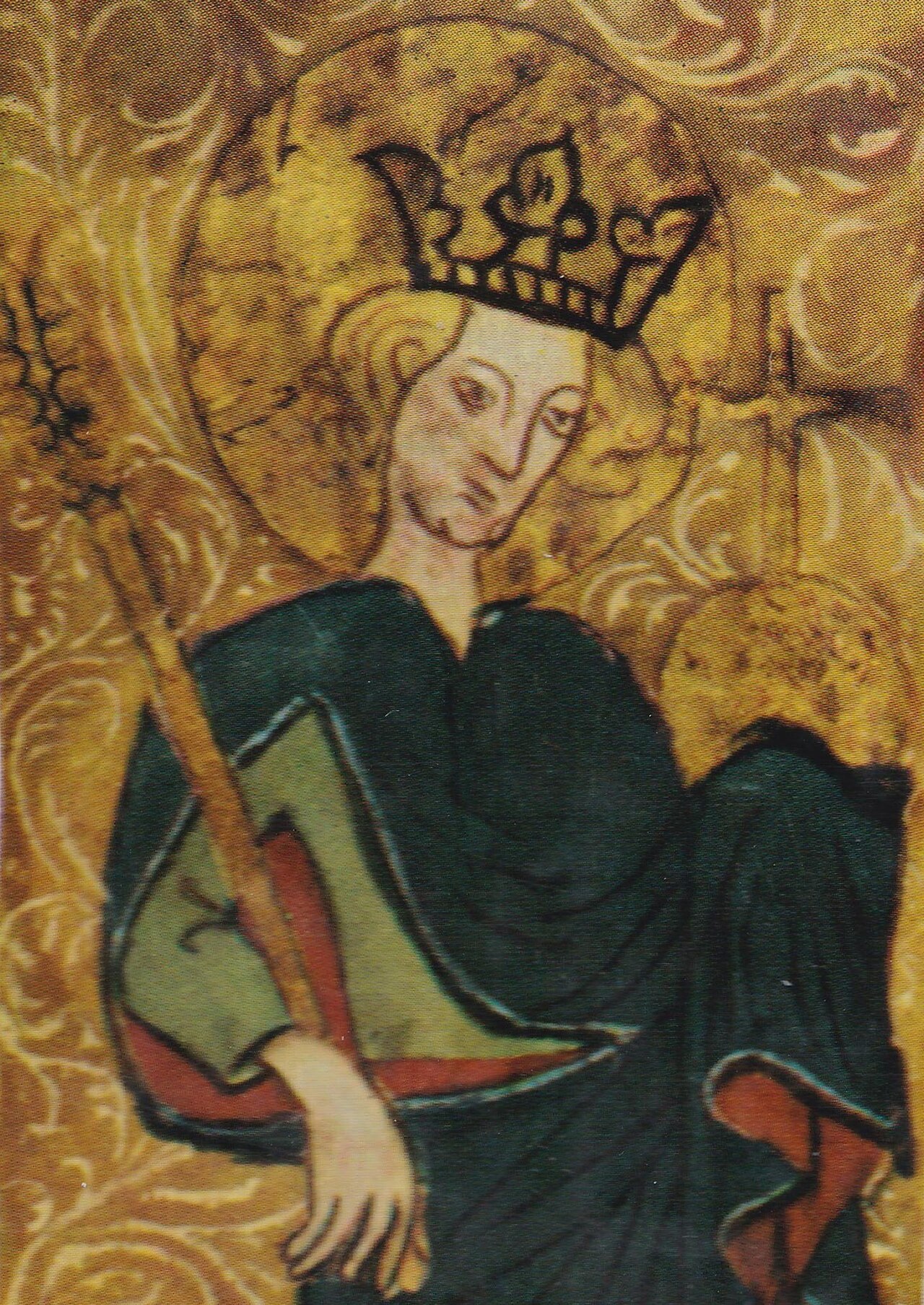
The crown of Sweden weighed heavily upon a brow marked by the cross, a paradoxical burden for a ruler of the early medieval era.
Biografía
Esta biografía está disponible actualmente solo en inglés.
The crown of Sweden weighed heavily upon a brow marked by the cross, a paradoxical burden for a ruler of the early medieval era. While many monarchs of the time sought power through the sword, the Swedish king known as Eric IX chose a different path, defining his legacy through the protection of the vulnerable and the pursuit of divine justice. He was a ruler who understood that true authority lay not in the subjugation of subjects, but in the upholding of their dignity, particularly regarding the rights of women, a stance that distinguished him remarkably among his contemporaries.
During his reign, Eric IX did his utmost to govern the people with wisdom. In an age often characterized by the rough and volatile nature of Viking chieftains transitioning into Christian kingship, his administration stood out for its commitment to lawful order and moral rectitude.
He sought to establish a kingdom where the weak were shielded from the oppression of the strong. This commitment was notably manifested in his efforts to protect the rights of women, ensuring that their standing within the community and the law was respected and fortified. This advocacy was not merely a political strategy but a reflection of a deep-seated Christian charity that viewed the defense of the marginalized as a direct service to the Divine.
The historical context of his life places him firmly within the crucial period of Sweden's Christianization, a time when the old pagan traditions were giving way to the new faith of Rome. It was a turbulent era where the stability of the kingdom was often challenged by external threats and internal dissent. Yet, Eric IX remained steadfast in his vocation, striving to align the governance of his land with the teachings of the Church. His dedication to wisdom suggests a ruler who consulted counsel and sought to implement laws that reflected the moral imperatives of his faith rather than the whims of war.
The martyrdom of Eric IX occurred at Uppsala, the religious center of Sweden, where he laid down his life for the cause he championed. Tradition holds that his death was a direct consequence of his refusal to compromise his faith and his duties as a Christian king. At Uppsala, the site of ancient pagan temples now dedicated to the true God, he became a witness to the faith that had transformed his realm. The location of his sacrifice underscores the spiritual significance of his reign; he died at the heart of his people's spiritual life, offering the ultimate price for the rights and faith he had defended.
His memory endures not merely as a historical figure of Scandinavian royalty, but as a model of Christian kingship. By prioritizing the rights of women and governing with wisdom, he left a legacy that transcended the political boundaries of his time. Eric IX remains a figure of veneration, remembered for the moment he chose the path of the martyr over the safety of the throne, ensuring that his wisdom would outlive the sword that ended his days.
También se celebran el 18 de mayo
¿Conoces una gracia o milagro atribuido a Saint Eric IX?
Reportar una Gracia o Milagro