Santo
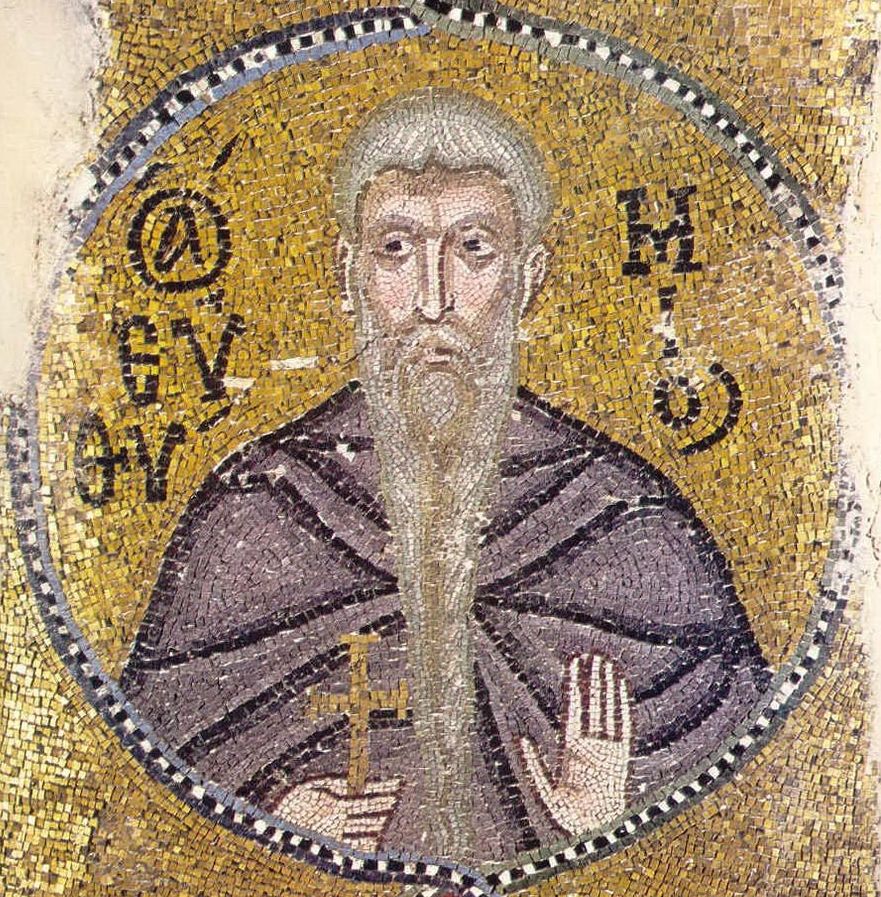
Saint Euthymius
In the rugged spiritual landscape of the Holy Land, where the silence of the desert often speaks louder than the voices of the faithful, one figure stood as a beacon of enduring dedication.
Biografía
Esta biografía está disponible actualmente solo en inglés.
In the rugged spiritual landscape of the Holy Land, where the silence of the desert often speaks louder than the voices of the faithful, one figure stood as a beacon of enduring dedication. Saint Euthymius, an abbot of Palestine, emerged as a testament to a life entirely surrendered to divine service. His story begins not with a specific date or a grand public event, but with a quiet, lifelong commitment that started in the earliest years of his life. Of Armenian origin, he was consecrated to God since childhood, a vocation that shaped his identity long before he ever set foot in the monastic communities of the East. This early consecration was not merely a ritual but a defining characteristic of his existence, setting him apart from those who sought religious life later in life as a retreat from worldly disappointment.
His journey led him from his native lands to the heart of Christendom, Jerusalem. Yet, for this holy man, the city served primarily as a gateway to the wilderness rather than a destination for residence. Once in the region, he withdrew into the profound solitude of the desert. For many years, he lived apart from the noise of society, engaging in a silent dialogue with the Creator. This period of eremitic life was not merely an escape from the world, but a deep immersion into the spiritual disciplines that defined the era’s monastic culture. It was a time of rigorous prayer and contemplation, where the physical hardships of the desert were endured as a means of spiritual purification.
As the reputation of his holiness spread, the isolation that once defined him began to draw others seeking guidance. Though he cherished the quiet of the desert, he eventually accepted the burden of leadership, becoming an abbot. This transition from hermit to community leader illustrates the tension inherent in desert spirituality: the struggle between the desire for isolation and the duty of charity toward neighbors. He did not abandon the solitude he loved, but rather used the spiritual depth he had cultivated to guide those who followed him. His leadership was likely marked by the same ascetic rigor and humility that characterized his own years of seclusion.
The historical record regarding the final chapter of his life is incomplete. The available data notes his years of solitude and his role as an abbot, but the narrative trails off as it approaches the end of his days. He represents a bridge between the Armenian spiritual tradition and the established monasticism of Palestine.
Even without a full chronicle of his passing, the figure of Euthymius stands as a testament to the enduring power of early monastic dedication. In a time when the desert was a place of both danger and divine encounter, his choice to remain consecrated to God from his youth speaks to a resilience of spirit. He did not seek fame or fortune, but rather the quiet companionship of the divine. The scarcity of biographical data regarding his final days does not diminish the impact of his existence; rather, it highlights the common reality of many saints whose primary work was prayer and contemplation, leaving behind a legacy written in the hearts of those they guided rather than in the pages of history books.
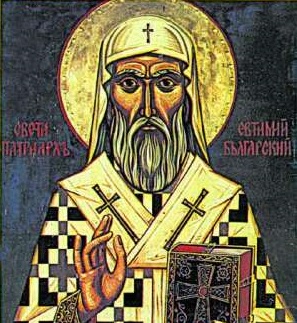
También se celebran el 20 de enero

¿Conoces una gracia o milagro atribuido a Saint Euthymius?
Reportar una Gracia o Milagro