Santo
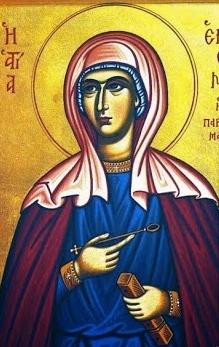
Saint Frézal
The intersection of pastoral leadership and ultimate sacrifice defines the remarkable life of this early shepherd.
Biografía
Esta biografía está disponible actualmente solo en inglés.
The intersection of pastoral leadership and ultimate sacrifice defines the remarkable life of this early shepherd. To hold the office of bishop is to accept a burden of spiritual stewardship; to accept martyrdom is to offer the final testimony of faith. This individual, known to history by the name Frézal, embodied both roles within the ecclesiastical landscape of ancient Gaul. He is recognized not merely as a cleric, but as a witness who sealed his vocation with his blood, standing as a pillar of the early Church in a region now known as France.
His ministry was centered in Mende, a see located within the historical province of Aquitaine. The establishment of the diocese in this region signifies a deep-rooted Christian presence in the south of the modern French state, where the faith took hold amidst the complex social and political currents of the era.
As the bishop, he would have been responsible for the spiritual welfare of the faithful in his jurisdiction, administering sacraments, guiding the community, and maintaining the unity of the Church. The title of bishop carries with it a weight of authority and responsibility that places him among the successors of the apostles, tasked with preserving the traditions of the faith he inherited.
However, the historical record regarding his specific actions remains sparse. In many cases concerning the earliest centuries of the Church, details of daily life, specific acts of charity, or the precise chronology of service have faded into the mists of antiquity. For this saint, the available data confirms his office and his end, but leaves the narrative of his years in silence. This scarcity is not unique to him but is characteristic of the period, where persecution often left few written accounts of the faithful. Yet, the preservation of his name alongside the designation of martyr speaks to a tradition of veneration that has survived the centuries.
The designation of martyr indicates that he did not merely retire from his post but faced a violent end for his faith. In the context of the early Church, such a fate was a terrifying reality for those in positions of leadership. The Roman Empire’s intermittent crackdowns on Christian communities meant that a bishop in Aquitaine could find himself at the center of legal and social hostility. While the specific circumstances of his death are not recorded in the brief, the certainty of his martyrdom is the defining characteristic of his legacy. It suggests a courage that transcended the natural instinct for self-preservation, affirming the conviction that the life of the spirit outweighs the duration of physical existence.
In the absence of detailed hagiographies, the simple titles of bishop and martyr serve as a testament to his integrity. He is remembered in the liturgical memory of the Church as one who remained steadfast. The location of his death, Mende, became the site of his final witness, sanctifying the soil of Aquitaine through his sacrifice.
Today, the legacy of this servant of God endures through the recognition of his name within the roll of martyrs. The silence of the historical record regarding his specific deeds does not diminish the reality of his sacrifice. Instead, it highlights the stark power of the witness he offered. He stands as a quiet but firm reminder of the cost of discipleship in the early Church, a man who led his flock with the authority of a bishop and confirmed his faith with the blood of a martyr. His story, though brief in its written form, remains a significant chapter in the history of the Church in France, anchoring the faith of the region in the blood of its first leaders.
También se celebran el 4 de septiembre
¿Conoces una gracia o milagro atribuido a Saint Frézal?
Reportar una Gracia o Milagro