Santo
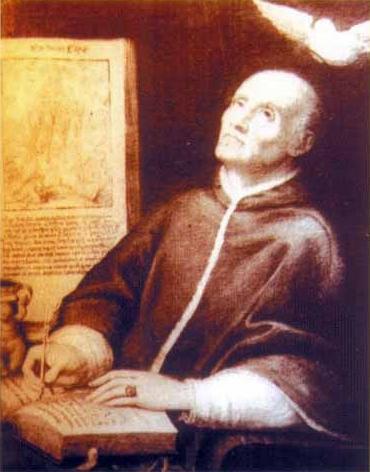
Saint Leonardo da Porto Maurizio Casanova
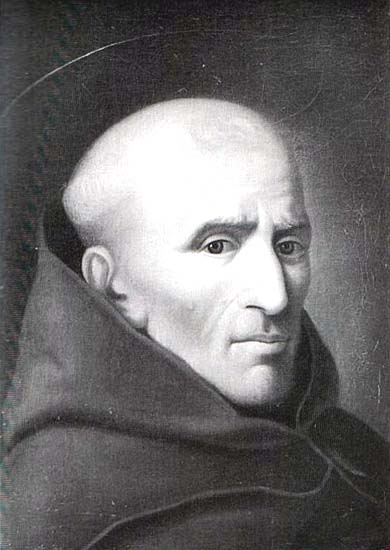
The spiritual landscape of Rome was profoundly shaped by the presence of men who dedicated their lives to the humble ideals of the Franciscan order, and among them stood the figure known as Saint Leonardo da Porto…
Biografía
Esta biografía está disponible actualmente solo en inglés.
The spiritual landscape of Rome was profoundly shaped by the presence of men who dedicated their lives to the humble ideals of the Franciscan order, and among them stood the figure known as Saint Leonardo da Porto Maurizio Casanova. His legacy is anchored in the historic heart of the Eternal City, specifically within the walls of the Convent of Saint Bonaventure on the Palatine. This location alone speaks volumes regarding the depth of his vocation; to reside on the Palatine Hill is to dwell amidst the ruins of imperial power, yet to choose instead a life of religious contemplation and service. The Convent of Saint Bonaventure, situated on this ancient elevation, served as a sanctuary of faith, and it was here that the priest of the Order of Friars Minor found his spiritual home.
As a Franciscan priest, his existence was defined by a commitment to the charism of Saint Francis of Assisi. While the historical record of his specific daily actions is not fully preserved in the surviving accounts, the designation of his sainthood indicates a life marked by extraordinary virtue and holiness. The Order of Friars Minor, often referred to as the Minorites, emphasized poverty, humility, and preaching the Gospel to the faithful. For a priest of this order to be recognized as a saint, he must have embodied these virtues to a degree that inspired those around him, leaving an indelible mark on the spiritual community of Rome. His ministry was likely characterized by a deep pastoral care, serving the faithful who sought the sacraments and spiritual counsel within the convent walls.
The specific mention of the Convent of Saint Bonaventure on the Palatine situates him within a lineage of Franciscan sanctity. This convent has long been associated with the spiritual vitality of the Capuchin and Conventual Franciscans in the capital. To serve there as a priest suggests a role of significant responsibility within the local ecclesiastical structure. The Palatine Hill itself, a place where emperors once ruled, became a testament to the triumph of spiritual authority over temporal power through the witness of men like him. The silence of the convent likely stood in stark contrast to the bustling chaos of the city below, offering a place where the soul could find rest in God.
Although the precise chronology of his life is not detailed in the available fragments, the reverence with which he is remembered suggests a period of intense spiritual activity within the Church. The use of the title "Saint" confirms that he has been formally recognized by the Church for his heroic virtue and the intercession attributed to him after his death. The brevity of the historical data regarding him does not diminish the significance of his witness; rather, it highlights the quiet sanctity that often characterizes those who serve faithfully in the background of Church history.
In the end, the profile of this holy man is one of dedication to a specific place and a specific vocation. He was a priest who chose the path of the Franciscans, grounding his ministry in the historic Convent of Saint Bonaventure. His life serves as a reminder that holiness is not always found in the spotlight of public miracles, but often in the faithful, daily offering of one's life to God in a specific locale. The enduring memory of Saint Leonardo da Porto Maurizio Casanova stands as a testament to the enduring power of prayer and service on the Palatine, where the ancient stones seem to echo the prayers of those who sought to live the Gospel in its most humble and sincere form. His story, though partially obscured by the passage of time, remains a vital thread in the tapestry of Roman Catholic hagiography, linking the ancient city to the eternal life promised by the faith he served.
También se celebran el 26 de noviembre
¿Conoces una gracia o milagro atribuido a Saint Leonardo da Porto Maurizio Casanova?
Reportar una Gracia o Milagro