Saint
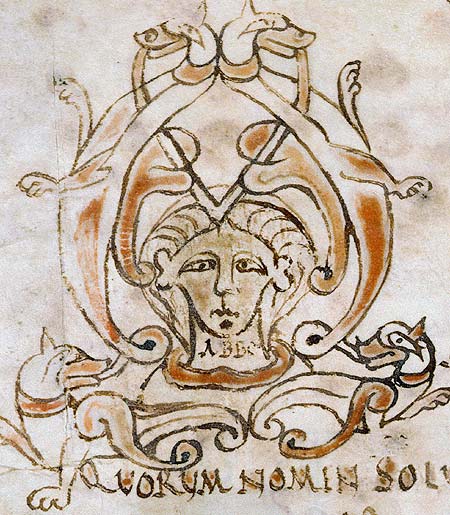
Saint Abbon
Among the ranks of the faithful who offered their lives for the faith, few embody the rare synthesis of intellectual rigor and spiritual fortitude as vividly as the abbot of Fleury.
Biography
Among the ranks of the faithful who offered their lives for the faith, few embody the rare synthesis of intellectual rigor and spiritual fortitude as vividly as the abbot of Fleury. While the specific chronology of his life remains obscured by the mists of early medieval record-keeping, the core facts of his existence shine with enduring clarity, offering a glimpse into a life dedicated to the service of God.
He served as the abbot of Fleury, a monastery that during his time stood as a luminary of learning within the monastic world. To hold the title of abbot at Fleury was to assume responsibility for a community dedicated to prayer and the preservation of knowledge. This figure was not merely a spiritual shepherd but a man admirably versed in Sacred Scripture and letters.
In an age where literacy was often confined to the cloister, his command of sacred texts and the liberal arts distinguished him as a beacon for his contemporaries. His reputation was built upon the foundation of deep study, suggesting a life spent in the quiet diligence of the scriptorium and the contemplation of the divine word. The emphasis on his learning highlights a crucial aspect of his sanctity: he was a saint of the intellect, whose faith was fortified by a profound understanding of the Word of God.
Yet, the narrative of his life concludes not in the quiet of the study, but in the turmoil of Gascony. Historical tradition places his final journey at the monastery of La Réole, a significant ecclesiastical center in the region of France. It was here that the abbot met his end. The records identify his passing as a transitus, marking a death that was not merely natural but sacrificial. He is counted among the martyrs, indicating that his commitment to the Gospel compelled him to face mortal danger, ultimately sacrificing his physical life for the sake of the truth he preached.
While the specific circumstances of his martyrdom are lost to the truncation of historical documents, the reverence with which he is remembered speaks volumes. To be remembered as a martyr requires that his death be understood as a direct consequence of his witness. The location, La Réole in Gascony, anchors his sacrifice in the concrete reality of the French countryside, where the dangers of the era were often palpable. The transition from the scholarly environment of Fleury to the site of his death at La Réole illustrates the universal call to holiness, which transcends the walls of the monastery and enters the fray of the world.
The scarcity of biographical detail regarding his birth or the precise date of his transitus should not diminish the impact of his legacy. In the hagiographic tradition, the lack of specific dates often points to a memory that has survived not through chronicles of birth and death, but through the enduring testimony of the Church. He is remembered as a man of letters who gave the ultimate testimony of his faith. The Church preserves his memory as a saint, a title that affirms his place in the communion of the faithful departed. His life serves as a reminder that the pursuit of knowledge and the acceptance of suffering for Christ are woven together in the fabric of the saintly vocation, ensuring that his witness continues to inspire the faithful long after the dust of La Réole has settled.
Also remembered on November 13
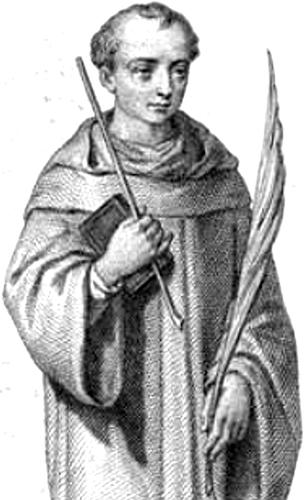
Know of a grace or miracle attributed to Saint Abbon?
Report a Grace or Miracle