Saint
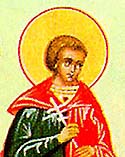
Saint Aphian
In the shadow of the Roman Empire’s grip on the Levant, where the tension between imperial power and Christian conscience was most palpable, the name of Aphian emerges as a beacon of steadfast resolve.
Biography
In the shadow of the Roman Empire’s grip on the Levant, where the tension between imperial power and Christian conscience was most palpable, the name of Aphian emerges as a beacon of steadfast resolve. This witness to the faith lived during a period of intense spiritual crisis, marked by the reign of Emperor Maximinus Thrax. The year c. 235 marked the beginning of a reign that would soon turn its sights toward the suppression of Christianity, forcing believers into a position where faith could only be maintained at the risk of life.
Caesarea in Palestine, the bustling administrative center of the province and a Roman colony, became the focal point of this conflict. Here, the governor Urban acted as the direct agent of imperial will. The populace was subjected to a public ordeal requiring them to sacrifice to the gods, a ritual designed to test political loyalty and religious conformity. In this charged environment, where silence could be interpreted as complicity and compliance as apostasy, Aphian chose a path of radical honesty. The historical record preserves the singular act of this individual approaching the governor Urban. This was not a clandestine meeting but a public declaration of refusal to participate in the forced
Know of a grace or miracle attributed to Saint Aphian?
Report a Grace or Miracle