Saint
Saint Bilhildis
The Rhineland, a cradle of Christian civilization in Western Europe, has long been the site of profound spiritual endeavors.
Biography
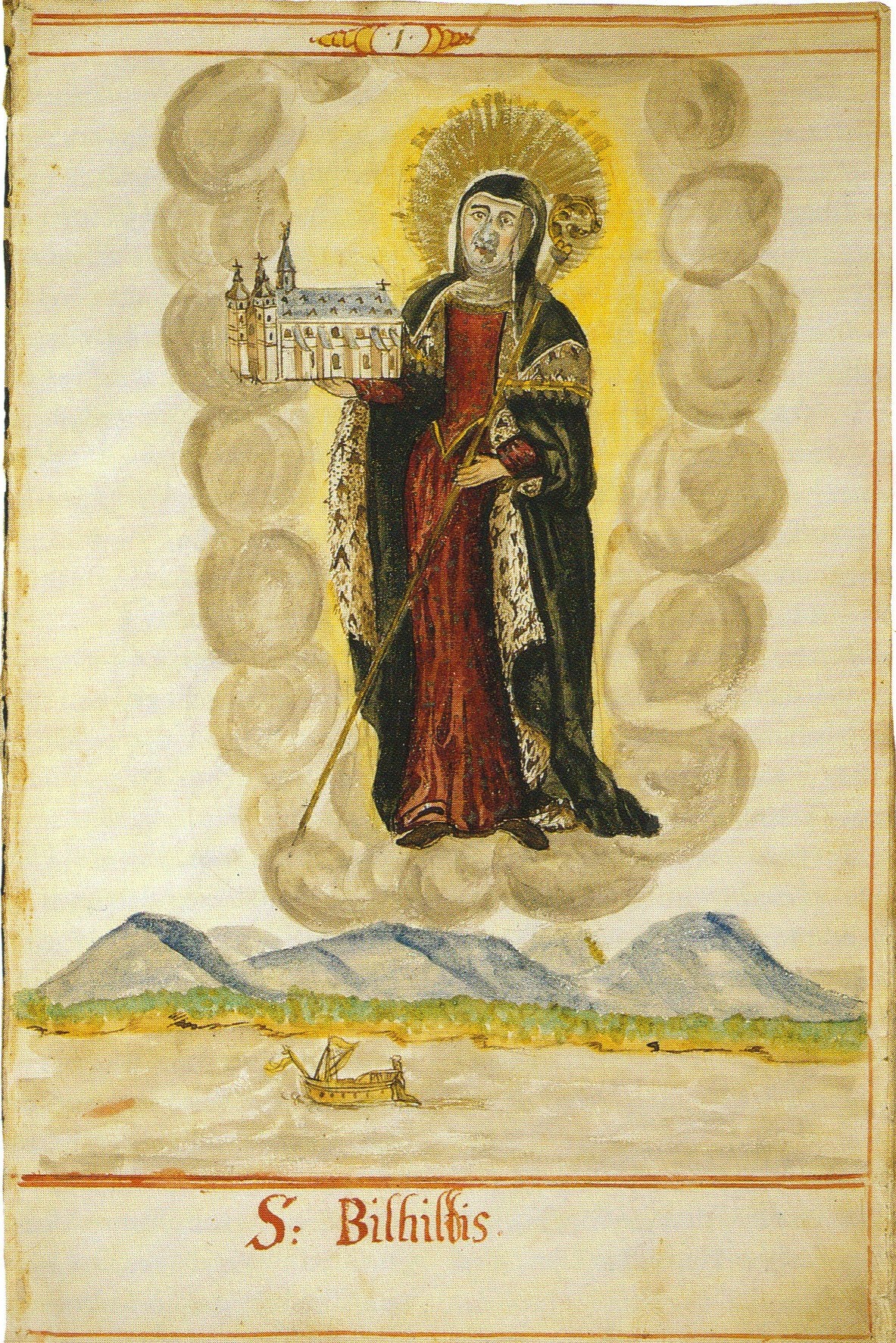
The Rhineland, a cradle of Christian civilization in Western Europe, has long been the site of profound spiritual endeavors. Among the many luminaries who walked its ancient paths, few embody the quiet power of monastic dedication quite like Bilhildis. Her story is not one of grand political maneuvering or miraculous public spectacles recorded in extensive chronicles, but rather one of steadfast commitment to the religious life. She is remembered foremost as a virgin who established a sanctuary for prayer and community, leaving a mark on the ecclesiastical landscape of Mainz that outlasted her physical presence.
Historical records regarding her life are, as is often the case with early female religious figures, sparse. We know she lived and labored in the region of Mainz, situated along the great Rhine River in what is now Germany.
This location was pivotal during the early medieval period, serving as a hub of learning and faith as the Church sought to consolidate its presence in the Germanic territories. Mainz was a major archdiocese, a center where the light of the Gospel was transmitted to surrounding regions. While specific dates of her birth and entry into religious life are not preserved in the surviving archives, the context suggests a life dedicated during the formative centuries of the Church in the Rhineland.
The designation of Bilhildis as a virgin highlights the traditional ascetic ideals of the early Church, where consecration to God was viewed as a special marriage to the divine. This commitment required immense fortitude, particularly for a woman in a position of authority. To found a monastery was to take on the burdens of governance, spiritual direction, and material provision. She did not merely reside within the walls of a religious community; she brought it into existence. This act of foundation implies a level of resources, influence, or personal conviction sufficient to gather a community of sisters under a rule of life. It suggests a woman who was not content with a passive existence but actively shaped the spiritual environment around her, ensuring the continuity of the faith through the stability of the religious life.
Her life concluded within the very institution she had nurtured. The tradition holds that she died piously within the monastery she founded. This detail, though brief, carries significant weight. It indicates a life of consistency, where the end was in harmony with the beginning. To die within one's own foundation often signifies a deep identification with the community and the mission. Her piety was not a fleeting sentiment but a lifelong discipline that guided her until her final breath.
Also remembered on November 27


Know of a grace or miracle attributed to Saint Bilhildis?
Report a Grace or Miracle