Saint
Saint Birinus
The mandate from Rome set the course for a pivotal moment in the spiritual history of the British Isles, marking the beginning of a structured ecclesiastical presence in the Anglo-Saxon kingdoms.
Biography
The mandate from Rome set the course for a pivotal moment in the spiritual history of the British Isles, marking the beginning of a structured ecclesiastical presence in the Anglo-Saxon kingdoms. While the early years of this missionary’s life remain shrouded in the mists of history, his legacy is defined by a singular, transformative commission: he was sent to lower Britain by Pope Honorius. This papal delegation was not merely a gesture of goodwill but a strategic move to solidify the faith among the pagan tribes, establishing a foundation that would endure for centuries.
As the Apostle of Wessex, the figure known as Birinus stands as a colossus in the annals of English Christianity. He was the first to hold the seat of Dorchester at Winchester, a distinction that underscores the importance of his mission.
In an era where the ecclesiastical landscape was fragmented and often contested, establishing a bishopric in this location signified a permanent claim of the Church’s authority. The see of Dorchester, situated in what is now Oxfordshire but historically linked to the region of Winchester, became the focal point for evangelization in the southwest. To be the inaugural bishop of such a seat was to shoulder the immense responsibility of planting the cross where none had stood before, guiding the spiritual conversion of a people whose religious practices were deeply rooted in tradition and the old ways.
Historical records regarding the specifics of his arrival are scarce, yet the impact of his tenure is undeniable. The context of his mission places him within the broader narrative of the Gregorian mission and its subsequent expansion. The period corresponds with the pontificate of Honorius, suggesting a timeframe in the early seventh century, c. 630s, though precise dates are lost to the passage of time. The designation of "lower Britain" indicates a focus on the southern territories, distinguishing this mission from the efforts of the Northumbrian church. Birinus’s work laid the groundwork for the future diocesan structures that would organize the English church.
The end of his earthly journey is recorded in the liturgical calendar through the mention of his deposition. In hagiographical terms, this refers to the day of his death or the commemoration of his remains, marking the conclusion of his pilgrimage. While specific details of his passing are not preserved in the surviving briefs, the solemnity with which his deposition is noted suggests a life of significant piety and labor. Tradition often holds that such early missionaries met their ends through natural causes after years of arduous travel, though the exact circumstances of his final days remain part of the historical silence that surrounds him.
Despite the scarcity of biographical data, the titles bestowed upon him speak volumes. To be called the Apostle of Wessex is to be recognized as the foundational evangelist of that kingdom. It implies a work of such magnitude that he is viewed not merely as a visitor, but as the spiritual father of the region’s Christian community. The fact that he was the first to hold the seat of Dorchester at Winchester further cements his role as an institutional founder. He was the bridge between the Roman See and the nascent English church, tasked with the delicate work of aligning local customs with Roman orthodoxy.
In the broader scope of Catholic history, figures like Birinus remind the faithful of the sacrifices made during the conversion of Europe. They were often isolated in hostile lands, relying on the support of distant bishops and the strength of their own conviction. While the specific miracles or anecdotes of his daily life may not have survived the centuries, the institutional legacy remains. The diocese he founded continued to operate long after his passing, a living monument to the labor of the first bishop of Dorchester at Winchester. His story is one of quiet determination, a man sent by the Pope to bring the light of the Gospel to a darkened land, leaving behind a spiritual inheritance that outlasted his own mortality.
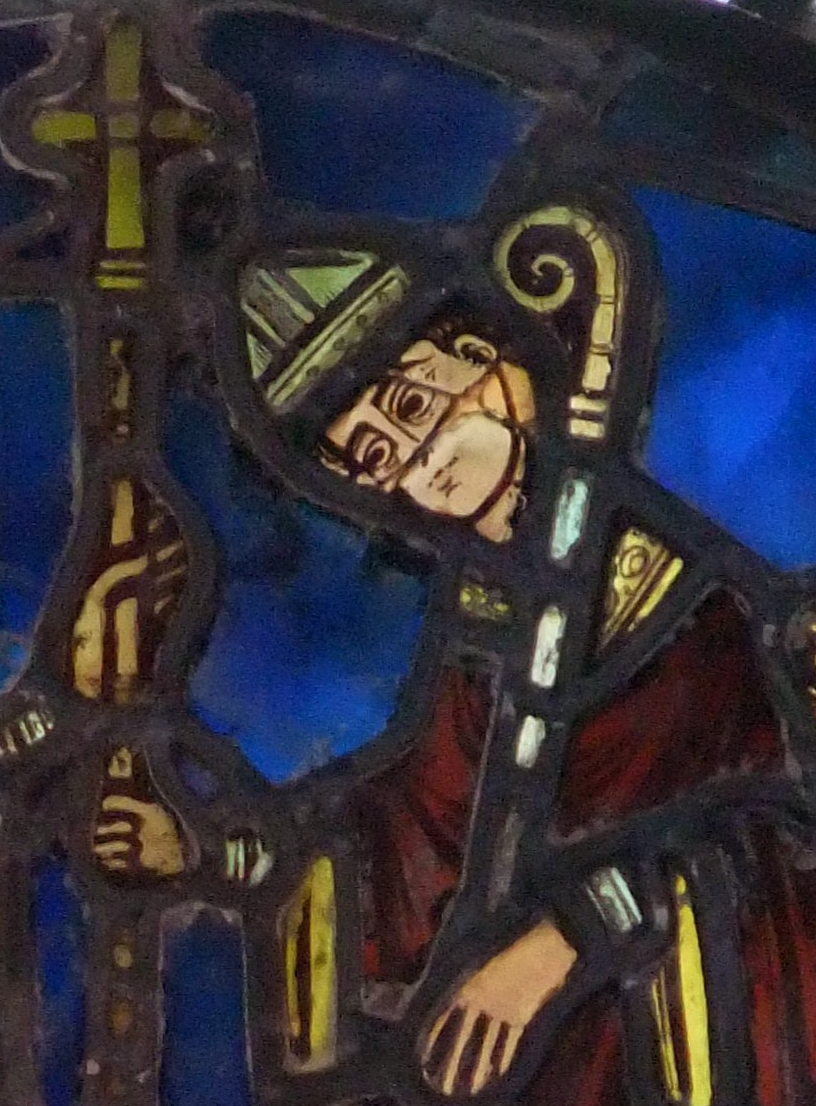
Also remembered on December 3
Know of a grace or miracle attributed to Saint Birinus?
Report a Grace or Miracle