Saint
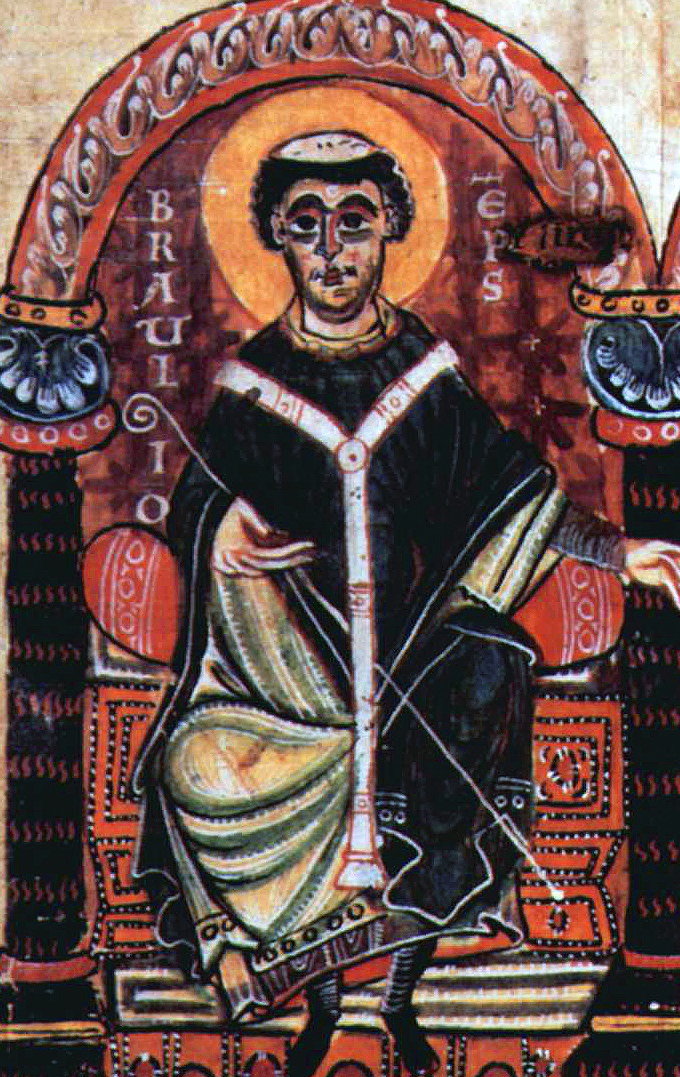
Saint Braulio
In the annals of the Spanish Church, few figures stand as firmly as the prelate who served as the steadfast companion to Saint Isidore of Seville.
Biography
In the annals of the Spanish Church, few figures stand as firmly as the prelate who served as the steadfast companion to Saint Isidore of Seville. While the specific details of his early life remain obscured by the mists of history, the legacy of this bishop of Saragossa is etched into the ecclesiastical landscape of the Iberian Peninsula with remarkable clarity. What distinguishes this holy man is not a catalog of miraculous deeds recorded in hagiographical tradition, but rather the profound impact of his collaborative work and the depth of his friendship within the hierarchy of the faith.
At Zaragoza in Spain, he held the pastoral office of bishop, a position that carried immense weight during a period when the church required significant spiritual reorganization. Historical context suggests that the ecclesiastical structures of the region were in need of stabilization and renewal. It was within this demanding environment that his primary vocation emerged. He did not merely occupy his see; he actively engaged in the vital work of reform. Together with his friend and contemporary, Saint Isidore, he dedicated himself to the task of renewing ecclesiastical discipline throughout Spain. This endeavor was no small feat, as it required navigating complex local customs, ensuring clerical integrity, and fostering a unified spiritual vision across a diverse region.
The nature of his relationship with Isidore is particularly noteworthy, described in the records as a great friendship. In the life of a bishop, such a bond is rare and precious, serving as a foundation for shared labor in the vineyard of the Lord. This alliance was not merely one of convenience but of spiritual kinship. By supporting Isidore, he contributed to a broader movement of renewal that sought to strengthen the clergy and the faithful alike. The work of renewing discipline involved rigorous attention to the moral and liturgical standards of the church, ensuring that the clergy remained fit for their sacred duties and that the laity received sound pastoral care.
It is important to acknowledge that very little is known about his personal life prior to his episcopal consecration. There are no detailed accounts of his birth or early years, nor are there specific dates recorded for his ordination or death. Yet, the silence of the records regarding his personal biography does not diminish the significance of his public ministry. The scarcity of data forces the historian to look closely at the impact he left behind. His name is preserved not through legends of miraculous healings or visions, but through the enduring institutional reforms he helped to enact.
The see of Saragossa itself holds a place of historical importance, and the tenure of this bishop is remembered as a time of constructive activity. By aligning his efforts with those of Isidore, he ensured that the reforms were not isolated incidents but part of a cohesive strategy to uplift the church in the region. This cooperation highlights a model of episcopal collaboration that remains a touchstone for leadership within the Church. The discipline he helped to renew was likely rooted in the canons of the councils and the teachings of the Fathers, aiming to bring order to a church that had faced various challenges.
He is remembered as a man who stood beside a great doctor of the Church to facilitate the healing and strengthening of the entire Spanish ecclesiastical body. While the specific chronology of his life may remain approximate, the historical weight of his ministry ensures that his memory endures as a pillar of the Spanish Church.
Heraldry & Devotional Emblems
Documentary record: no verified arms linked yet. Read the heraldry standard.
Know of a grace or miracle attributed to Saint Braulio?
Report a Grace or Miracle