Saint
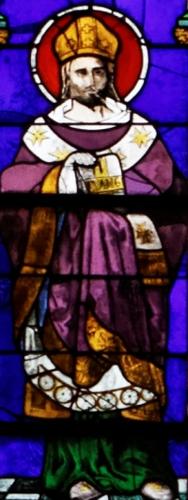
Saint Caprais
The rugged shores of the Mediterranean offered a sanctuary far removed from the political turbulence of the ancient world, and it was upon this spiritual island of Lérins in Provence that a pivotal chapter of Western…
Biography
The rugged shores of the Mediterranean offered a sanctuary far removed from the political turbulence of the ancient world, and it was upon this spiritual island of Lérins in Provence that a pivotal chapter of Western monasticism was written. While the records of the early Church are often silent regarding the specific origins of many faithful souls, the legacy of Saint Caprais is anchored firmly in the transformative work he undertook alongside a companion of great renown. It was here, amidst the salt spray and the ancient pines of the island, that the foundations of a new religious life were laid, not through the power of the sword, but through the quiet persistence of prayer and ascetic discipline.
Caprais is remembered primarily as a monk and a hermit, embodying the dual callings that characterized the earliest communities in Gaul. His story is inextricably linked to that of Saint
Honoratus, another luminous figure in the history of the Church. Together, the two men retired to this secluded place, seeking a life of separation from the world to dedicate themselves entirely to divine contemplation. This joint departure marks a significant moment in the development of religious life in France, signaling the shift from solitary desert asceticism to the organized monastic communities that would eventually shape European culture. By choosing the island of Lérins, they established a beacon of faith that would continue to shine long after their passing.
The nature of their vocation was one of profound simplicity. As a hermit, Caprais likely sought periods of intense solitude, withdrawing into the natural landscape to commune with the Creator. Yet, as a monk, he also participated in the communal rhythm of prayer and labor that defined the nascent order. This balance allowed for both individual spiritual depth and the strength found in shared purpose. The historical context of Provence during this era was one of transition, where the fading structures of the Roman Empire were giving way to new spiritual foundations. In this landscape, the decision to settle on Lérins was not merely a flight from society, but a deliberate act of planting the seeds of Christianity in the heart of the region.
It must be acknowledged with honesty that the specific details of Caprais’s personal life remain obscured by the mists of time. The hagiographical record provides no account of his birthplace, his family, or the specific circumstances of his death. There are no recorded miracles attributed to him in the surviving briefs, nor are there surviving writings or letters to offer insight into his inner thoughts. In the absence of these biographical anchors, the focus shifts to his contribution: the act of founding the monastic life on the island. He was one of the first to recognize the potential of the island as a house of God, setting a precedent for future generations of religious men and women.
Despite the scarcity of personal data, the reverence for Caprais endures. He stands as a representative of the countless unknown ascetics who labored in the shadows to build the great structures of the Church. His life reminds the faithful that holiness is often found not in public acclaim, but in the faithful execution of a vocation. To honor him is to honor the quiet, steadfast spirit of the hermit who chose the difficult path of solitude and community alike. Through his partnership with Honoratus and his commitment to the island of Lérins, he secured a permanent place in the spiritual geography of Provence. The legacy of Saint Caprais is thus not a collection of legendary exploits, but the enduring presence of the monastic tradition he helped to inaugurate on the shores of the Mediterranean.
Also remembered on June 1
Know of a grace or miracle attributed to Saint Caprais?
Report a Grace or Miracle