Saint
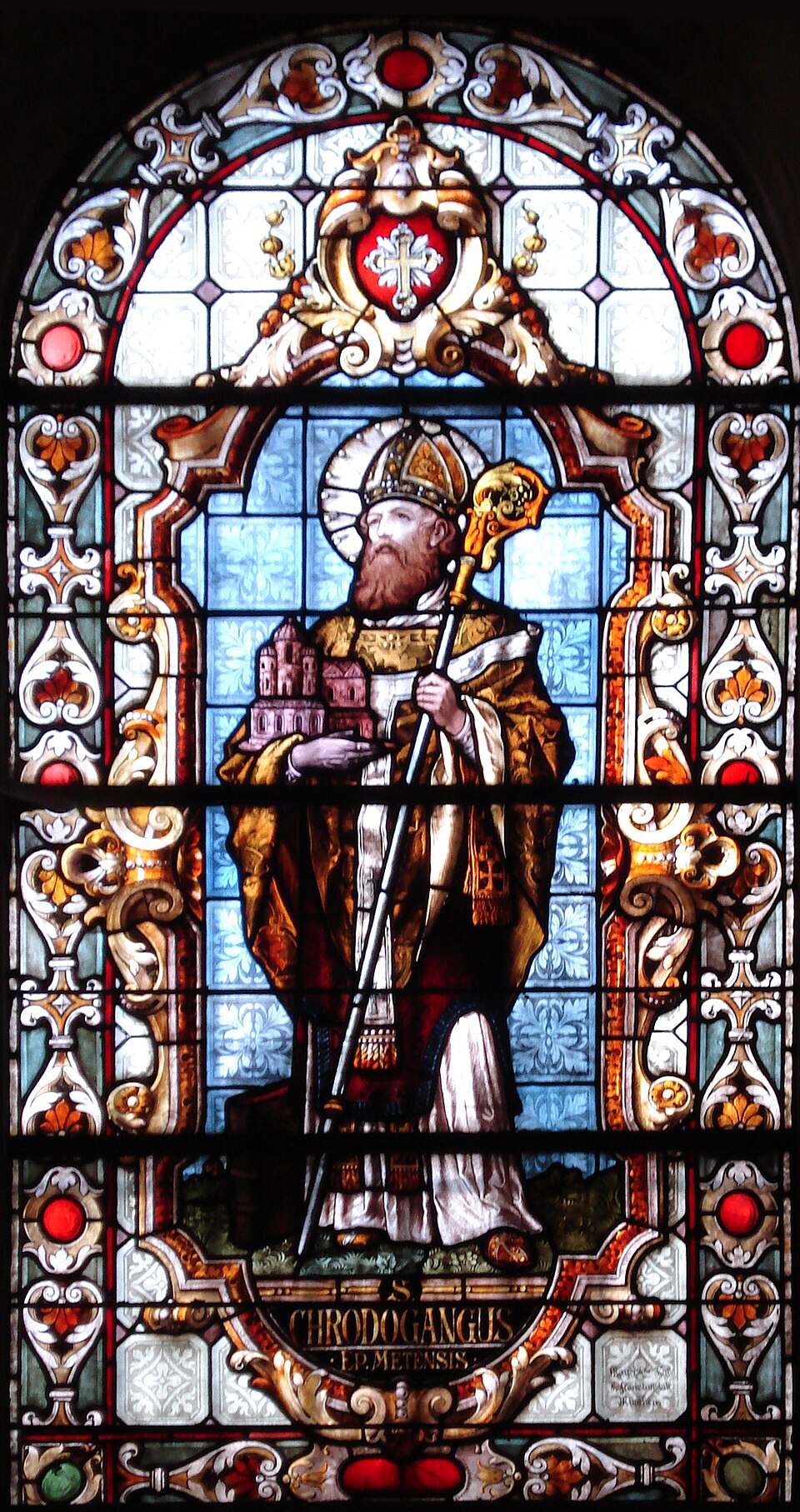
Saint Chrodegang
Among the many reformers of the early medieval church, one stands out for a singular innovation that sought to bridge the gap between monastic discipline and pastoral duty.
Biography
Among the many reformers of the early medieval church, one stands out for a singular innovation that sought to bridge the gap between monastic discipline and pastoral duty. In the heart of Austrasia, a region of the Frankish kingdom corresponding to present-day France, a bishop undertook a radical restructuring of clerical life. This prelate, known as Chrodegang, is remarkable not for miracles of healing or martyrdom, but for his architectural vision of the spiritual life. He arranged that the clergy should live as if within the walls of a cloister, establishing a communal existence under an exemplary rule. This was a profound departure from the prevailing norms of the era, where secular priests often lived independently, and it laid a foundational stone for the future integration of monastic stability with episcopal service.
The setting for this reform was the city of Metz, a significant ecclesiastical center within the Frankish realm. During this period, the church in Austrasia was navigating a complex landscape of political power and spiritual need. While specific details of his birth and early formation remain obscured by the mists of history, the impact of his tenure as bishop is clearly recorded in the institutional changes he enacted. By mandating that the clergy reside together, he fostered a culture of mutual accountability and shared prayer. The phrase "under an example" suggests that he instituted a formal regulation, a pattern of life that governed their daily conduct, ensuring that their personal holiness was not isolated but communal.
This initiative was particularly notable because it challenged the secular nature of much of the clergy's existence at the time. By requiring them to live as if within the walls of a cloister, he effectively introduced monastic stability to the secular clergy. This meant that the priests were no longer merely administrators or itinerant servants but were bound to a specific place and a specific community of faith. It was a move toward the ideal of the apostolic community, where goods and duties were shared, and spiritual vigilance was maintained through collective discipline. The historical context of this era was one where the Frankish church was seeking to purify itself from laxity, and Chrodegang’s rule offered a practical blueprint for achieving that purity without requiring the clergy to take monastic vows in the traditional sense.
While the historical record provides little information regarding his personal virtues beyond this administrative genius, the longevity of his influence speaks volumes. The rule he composed became a model for subsequent generations, influencing the development of cathedral chapters and collegiate churches across the region. It ensured that the bishops and priests serving in Metz maintained a standard of living that reflected their sacred office. Yet, the fact that his name is preserved alongside the memory of this specific reform indicates that his contribution was viewed as essential to the spiritual health of the diocese.
In the end, Saint Chrodegang is remembered as a builder of spiritual infrastructure.
Also remembered on March 6
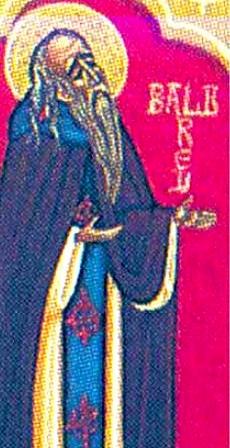
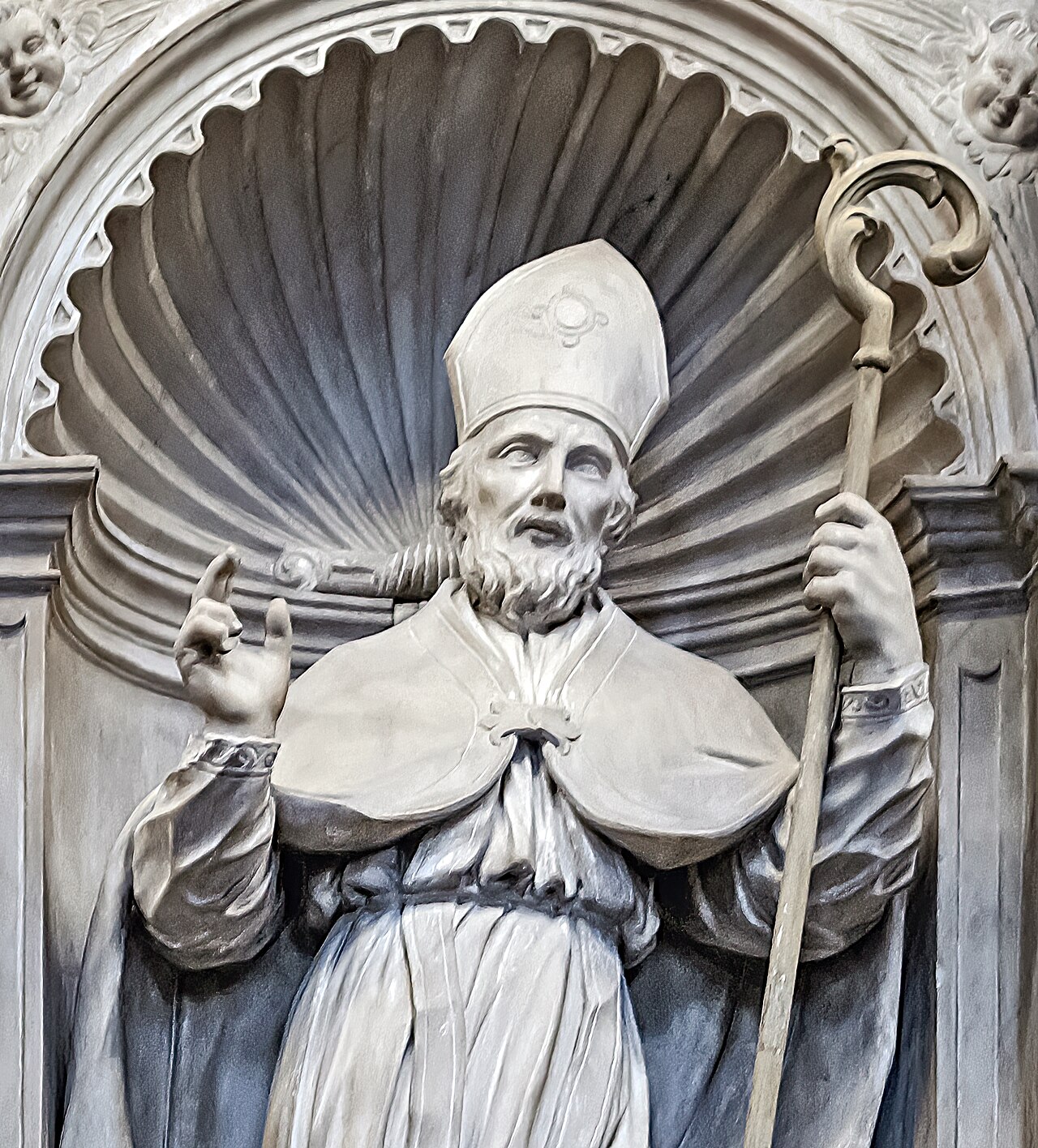
Know of a grace or miracle attributed to Saint Chrodegang?
Report a Grace or Miracle