Saint
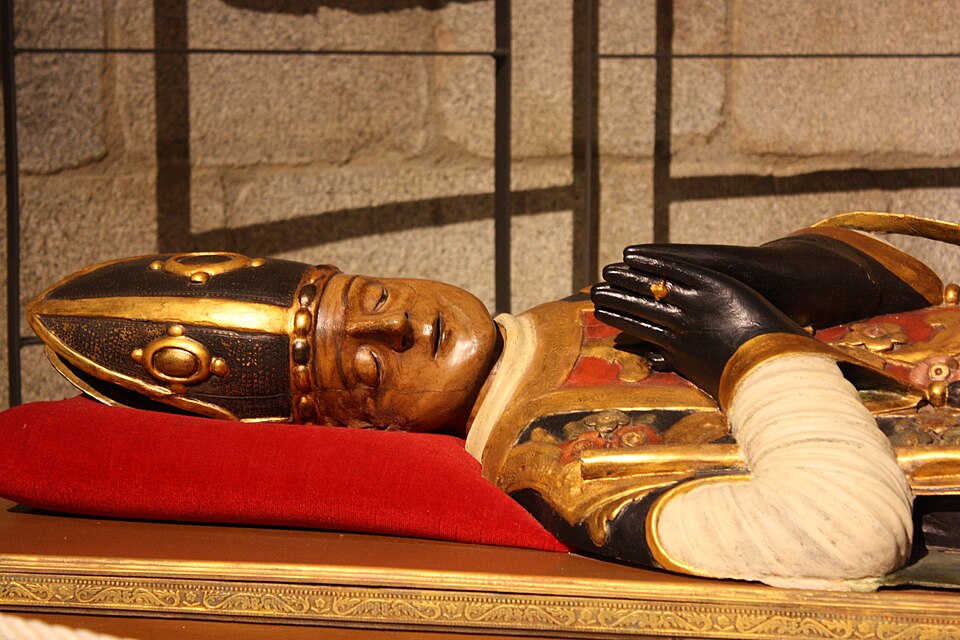
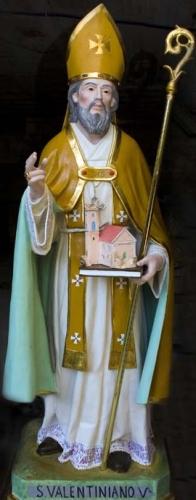
Saint Ermengol
In the rugged valleys of Catalonia, amidst the echoes of a recovering faith, a spiritual architect emerged to guide the Church through a pivotal era of restoration.
Biography
In the rugged valleys of Catalonia, amidst the echoes of a recovering faith, a spiritual architect emerged to guide the Church through a pivotal era of restoration. This was the time of the Bishop of Urgell, a man whose name has been preserved in the annals of the diocese as one of the illustrious prelates of his age. While the specific chronology of his life remains obscured by the mists of history, his legacy is defined by a singular, monumental mission: the re-establishment of the Church in lands gradually freed from the yoke of the Moors.
The historical backdrop of his service was one of profound transition and reconstruction. Following the decline of Islamic rule in the region, the ecclesiastical structures required more than mere political restoration; they demanded the rekindling of liturgical life, the repair of sacred spaces, and the organization of a faithful people.
As a bishop, he belonged to a lineage of leaders tasked with a complex dual role. They were not only shepherds of souls but also temporal guardians of a community emerging from centuries of foreign occupation. The diocese of Urgell, situated in the heart of Catalonia, held significant strategic and spiritual importance, serving as a frontier of the Reconquista where the cross often marched in tandem with the sword.
Ermengol’s contribution to this endeavor placed him among the distinguished figures of his age. The title of "illustrious prelate" suggests a reputation for wisdom, leadership, and personal sanctity that resonated with the clergy and laity alike. In an era where stability was fragile, his steadfastness would have provided a cornerstone for the community. His work was part of a broader movement of revival, where the Church was not just reclaiming territory but reclaiming souls. He helped solidify the presence of the Gospel in a recovering land, ensuring that the foundations of Christian life were deepened in the wake of political change.
While specific details regarding his birth and early formation remain shrouded in the mists of time, the historical record preserves his name among those who shaped the religious identity of the region. Tradition and hagiography often struggle to distinguish between the specific deeds of individual bishops in this period, as records were sometimes lost or conflated during the turbulent centuries of the Middle Ages. Yet, the legacy remains clear: he was a key figure in the restoration of the Church in Catalonia. The faithful in Urgell would have looked to him for guidance, sacramental grace, and protection.
Though the precise dates of his episcopate are not fully documented in the surviving briefs, his impact endures as a testament to the resilience of the faith. He represents the quiet fortitude of the clergy who worked to bring order and holiness to a land emerging from occupation. His memory is preserved in the annals of the diocese, serving as an inspiration for future generations of shepherds who would take up the mantle of service in the same rugged terrain. In the end, the story of this bishop is one of restoration. It speaks to the enduring power of faith to rebuild what has been broken, ensuring that the Church remained a pillar of stability and hope for the people of Catalonia.
Also remembered on November 3
Know of a grace or miracle attributed to Saint Ermengol?
Report a Grace or Miracle