Saint
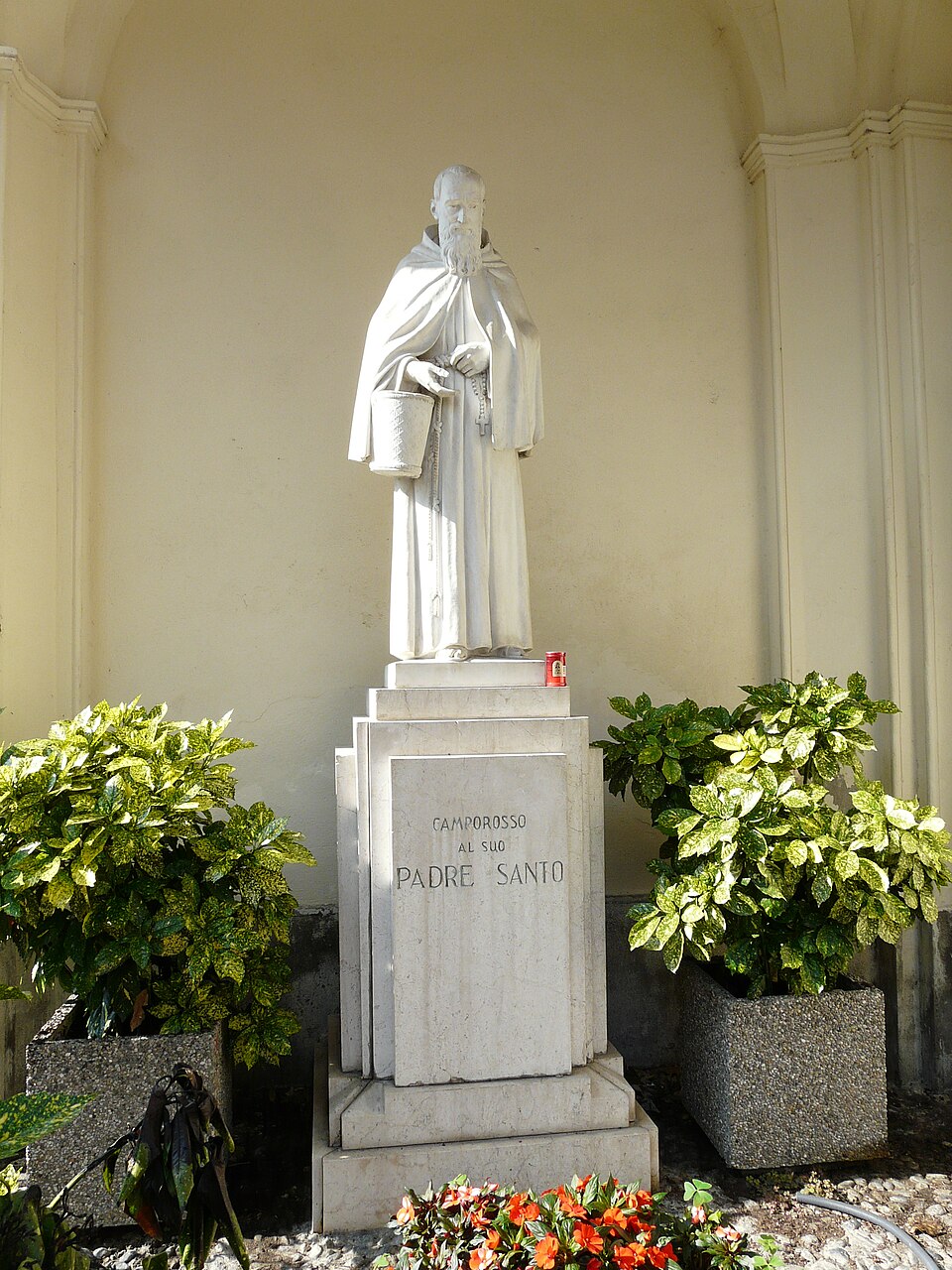
Saint Francesco Maria da Camporosso
The witness of a martyr is often a flame that burns brightest in the darkness of uncertainty.
Biography
The witness of a martyr is often a flame that burns brightest in the darkness of uncertainty. In the case of the Capuchin friar known as Francesco Maria da Camporosso, the historical record offers a sparse but luminous testament to a life dedicated to radical poverty and ultimate sacrifice. His identity is anchored in two defining realities: his religious profession within the Order of the Friars Minor Capuchin and the solemn title of martyrdom, earned through the shedding of blood for the faith. He is a figure of profound devotion, whose name carries the weight of a specific place, Camporosso, suggesting a deep connection to the Italian landscape from which he drew his early formation before taking up the habit of the Friars Minor.
The Capuchin order, a reform branch of the Franciscan family, emphasizes a return to the strict observance of the Gospel, particularly through a life of humility, manual labor, and absolute reliance on divine providence. For a religious of this congregation, the path to sanctity is rarely one of comfort. It is a journey marked by the rigorous discipline of the habit, the silence of the cloister, and the outreach to the margins of society. Francesco Maria embraced this charism fully. Historical briefs highlight that he was famous for his charity. In the context of the Capuchin tradition, this virtue was not merely a social aid but a theological imperative, a tangible expression of the love of Christ in the faces of the suffering. His ministry was characterized by a hands-on compassion that distinguished him among his contemporaries, serving as a beacon of hope in a world often hardened by hardship.
His journey ultimately led him to Genoa, a bustling maritime republic in the north of Italy. It was here that the final chapter of his life was written. The designation of martyr indicates that he did not die a natural death within the safety of his convent walls but was taken by violence or persecution for the sake of his beliefs. The specific circumstances of his death are not preserved in the surviving briefs, yet the fact of his martyrdom places him within the long, unbroken line of witnesses who have offered their lives as a final prayer to God. Genoa, with its complex history of political and religious turbulence, provided a setting where the cost of discipleship could be measured in blood. The friar’s presence in the city suggests a mission of evangelization or pastoral care that brought him into contact with forces hostile to the Gospel, resulting in the ultimate witness.
Despite the significance of his sacrifice, the biographical details of Francesco Maria da Camporosso are unfortunately limited. It is impossible to state with certainty the year of his birth or the exact date of his death. The historical record does not preserve the names of his parents, nor does it detail the specific acts of charity that endeared him to the people he served, other than confirming his reputation for such work. In the absence of these specific data points, the hagiographer must rely on the enduring testimony of the Church and the order to which he belonged.
Nevertheless, the silence of the archives does not silence the voice of the saint. His legacy is one of fidelity to the Franciscan rule and the courage to face death rather than renounce his faith. For the faithful in Genoa and beyond, his memory serves as a reminder that holiness is often found in the quiet consistency of charity and the final, terrifying act of martyrdom. He remains a Capuchin of the highest order, a man whose life was a prayer in action, whose name is now etched in the liturgical calendar, and whose spirit continues to inspire those who seek to live the Gospel in its most demanding form. Through his example, the values of poverty, charity, and courage are preserved for future generations to contemplate.
Also remembered on September 17
Know of a grace or miracle attributed to Saint Francesco Maria da Camporosso?
Report a Grace or Miracle