Saint
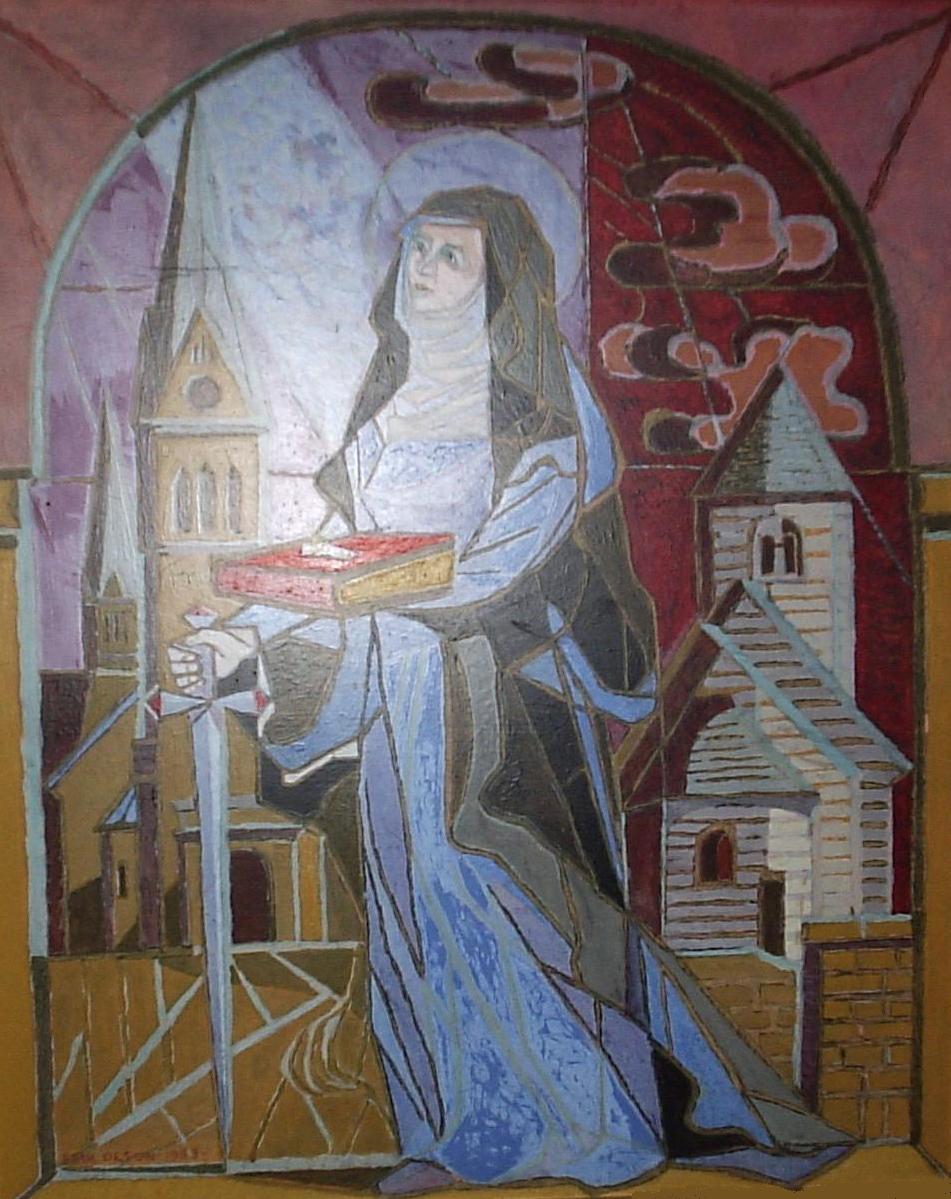
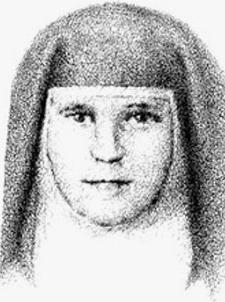
Saint Helena of Skövde
In the vast tapestry of Christian witness, where the names of many faithful are obscured by the mists of time, some stand out not for the monuments they built, but for the witness they bore with their very lives.
Biography
In the vast tapestry of Christian witness, where the names of many faithful are obscured by the mists of time, some stand out not for the monuments they built, but for the witness they bore with their very lives. The figure of Saint Helena of Skövde stands as a solemn testament to the early fervor of the Church in the northern lands of Europe. While the specific chronology of her life remains lost to the mists of history, her enduring recognition within the hagiographical record affirms that her sacrifice was not forgotten by the faithful who came after. Her story is one of quiet heroism, anchored in a specific locale yet resonating with the universal call to fidelity.
Her narrative is rooted in the town of Skövde, located in the heart of Sweden. This geographic specificity provides a crucial link to the historical development of Christianity in Scandinavia.
Though the precise century of her death is unknown, her existence suggests a period of intense spiritual struggle and transformation. In the early stages of the Evangelization of the North, the commitment to the Gospel often required a total surrender of one’s life. For a woman to be recognized as a martyr, the witness of her death had to be undeniable, even if the written records of the event have not survived the intervening centuries. The location of her death places her within the broader context of the northern mission fields, where the acceptance of the faith was frequently met with resistance from entrenched traditional customs.
The designation of widowhood is particularly poignant in understanding her life. In the early Church, widows were often viewed as a distinct class of the faithful, dedicated to prayer and intercession, sometimes freed from the obligations of family life to serve the community more fully. This status implies a life of stability and perhaps a period of quiet devotion before the trial that ended her days. To be a widow in a region where traditional pagan customs were still potent would have required a significant personal conviction, marking her as a woman of deep spiritual resilience. Her life as a widow suggests a foundation of virtue that prepared her for the ultimate test.
The central fact of her legacy is the manner of her end. She is described as having been unjustly killed. This phrase carries profound theological weight. It indicates that she bore no guilt for the crime that led to her execution, and that her death was a result of malice or persecution rather than justice. In the Catholic tradition, unjust suffering is not merely a tragedy but a participation in the passion of Christ. By accepting death without guilt, she bore witness to the truth of her faith, becoming a martyr in the truest sense of the word. The Church’s recognition of her as a martyr validates that her death was a consequence of her fidelity to God, rather than a random act of violence.
To be known as a martyr in the annals of the Church requires a level of verification that transcends mere legend. That she is considered a martyr despite the lack of detailed narrative suggests that her reputation for holiness was preserved through oral tradition or local veneration. In the absence of specific dates, the faithful are left with the stark reality of her sacrifice. Her life serves as a reminder that the history of the Church is not solely composed of the lives of popes and bishops, but also of ordinary women whose fidelity was tested to the breaking point.
Ultimately, the story of the widow of Skövde is one of quiet heroism. She did not lead armies or write treatises. Instead, she offered the ultimate sacrifice of her life in a place where the name of Christ was being established against great odds. Her legacy is one of innocence and endurance. In the liturgical memory of the Church, she remains a symbol of those who, when faced with the choice between compromise and death, chose fidelity. The silence of the historical record regarding her specific trials does not diminish her witness; rather, it underscores the mystery of how grace operates through the most vulnerable of vessels. She stands today not as a figure of myth, but as a confirmed martyr of Sweden, whose unjust death secured a place in the communion of saints.
Also remembered on July 31
Know of a grace or miracle attributed to Saint Helena of Skövde?
Report a Grace or Miracle