Saint
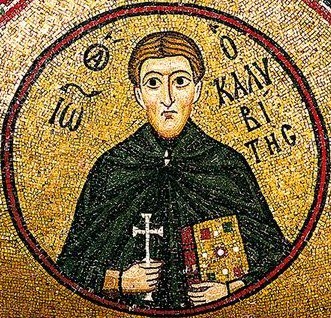
Saint John Calybite
The designation Calybite serves as a defining mark of a life dedicated to radical seclusion, transforming a simple architectural term into a spiritual title.
Biography
The designation Calybite serves as a defining mark of a life dedicated to radical seclusion, transforming a simple architectural term into a spiritual title. While the historical record offers only fragments, the witness of this ascetic stands as a testament to the power of withdrawal in a world of noise. In the bustling imperial capital of Constantinople, where the echoes of commerce and courtly intrigue were constant, a different kind of silence was sought by the faithful. This holy man chose to live as a hermit, a path of extreme asceticism that required him to turn away from the public acclaim of the city to find God in the shadows.
Traditionally, the narrative of his early life suggests a gradual progression toward solitude. He did not immediately flee to the desert wilderness, a common trope among the era's ascetics, but began within the domestic sphere.
He lived for some time in a secluded place in his father’s house. This initial phase of his vocation indicates a struggle to balance filial duty with the call to prayer, suggesting a spiritual maturity that developed slowly rather than through a sudden, dramatic conversion. It was a testing ground where the virtues of patience and interior recollection were forged before he was ready for the total isolation of the desert.
Eventually, the hermit moved beyond the confines of the family estate to a hut, a structure specifically identified as a "calybite." The term itself, derived from the Greek word for a small cottage or hut, became his namesake, immortalizing his lifestyle in hagiography. This dwelling was not a grand monastery cell but a modest shelter, emphasizing a life of extreme poverty and simplicity. The choice of such a dwelling in the heart of the empire was a profound statement; it signified that the Kingdom of Heaven was not found in the grandeur of the imperial palace, but in the humility of the small hut. By adopting this name, the ascetic made his very existence a sermon on the value of humility over status.
Historical context places this witness within the broader landscape of Byzantine monasticism, where the tension between urban life and desert spirituality was a recurring theme. While many monks sought the remote deserts of Egypt or Syria, others remained near the city, creating a network of sanctity that permeated the capital. This saint represents that urban hermit tradition, a figure who maintained the silence of the desert while remaining within the boundaries of the city. Yet, the specific dates of his life remain obscured by the mists of time. The historical record does not yield the precise year of his birth or the duration of his penance, nor does it record specific miracles or deeds that might have drawn the faithful to his door.
This scarcity of information is not a failure of the record, but a characteristic of his vocation. He who sought the hidden life naturally left few traces for posterity to uncover. To write his biography is to acknowledge the limits of history while honoring the reality of his holiness. The lack of specific dates or biographical details forces the reader to focus not on the timeline of his life, but on the nature of his witness. He is remembered not for a list of achievements, but for the consistency of his withdrawal.
In the end, the legacy of the Calybite is one of enduring silence. His life challenges the modern understanding of success and visibility, pointing instead toward the quiet intimacy of prayer. His name, attached to the humble hut, ensures that the value of seclusion and poverty continues to resonate, even as the centuries pass.
Also remembered on January 15

Know of a grace or miracle attributed to Saint John Calybite?
Report a Grace or Miracle