Saint
Saint Thomas
Thomas Aquinas (c.
Biography
Thomas Aquinas (c. 1225 – 7 March 1274) was an Italian Dominican friar and priest, theologian, and philosopher. He is considered one of the most influential thinkers in the history of Catholic theology and Western philosophy. Thomas was a proponent of natural theology and the father of a school of thought (encompassing both theology and philosophy) known as Thomism. He argued that God is the source of the light of natural reason and the light of faith, seeking to synthesize Aristotelian philosophy with Christian principles. Among his best-known ideas are his Five Ways for proving the existence of God, his virtue ethics, and his sacramental theology. His most notable work is the unfinished Summa Theologica (1265–1274), a comprehensive guide to Catholic theology.
Thomas's philosophy has influenced modern virtue ethics, aesthetics, and cognitive theory. He is also known for his Eucharistic hymns, which form part of the Church's liturgy. Thomas has been described as 'the most influential thinker of the medieval period' and is generally considered one of the greatest theologians and philosophers in Catholic tradition. As one of the 38 Doctors of the Church, he holds multiple titles, including Doctor Angelicus ('Angelic Doctor'), Doctor Communis ('Universal Doctor'), and Doctor Humanitatis ('Doctor of Humanity').
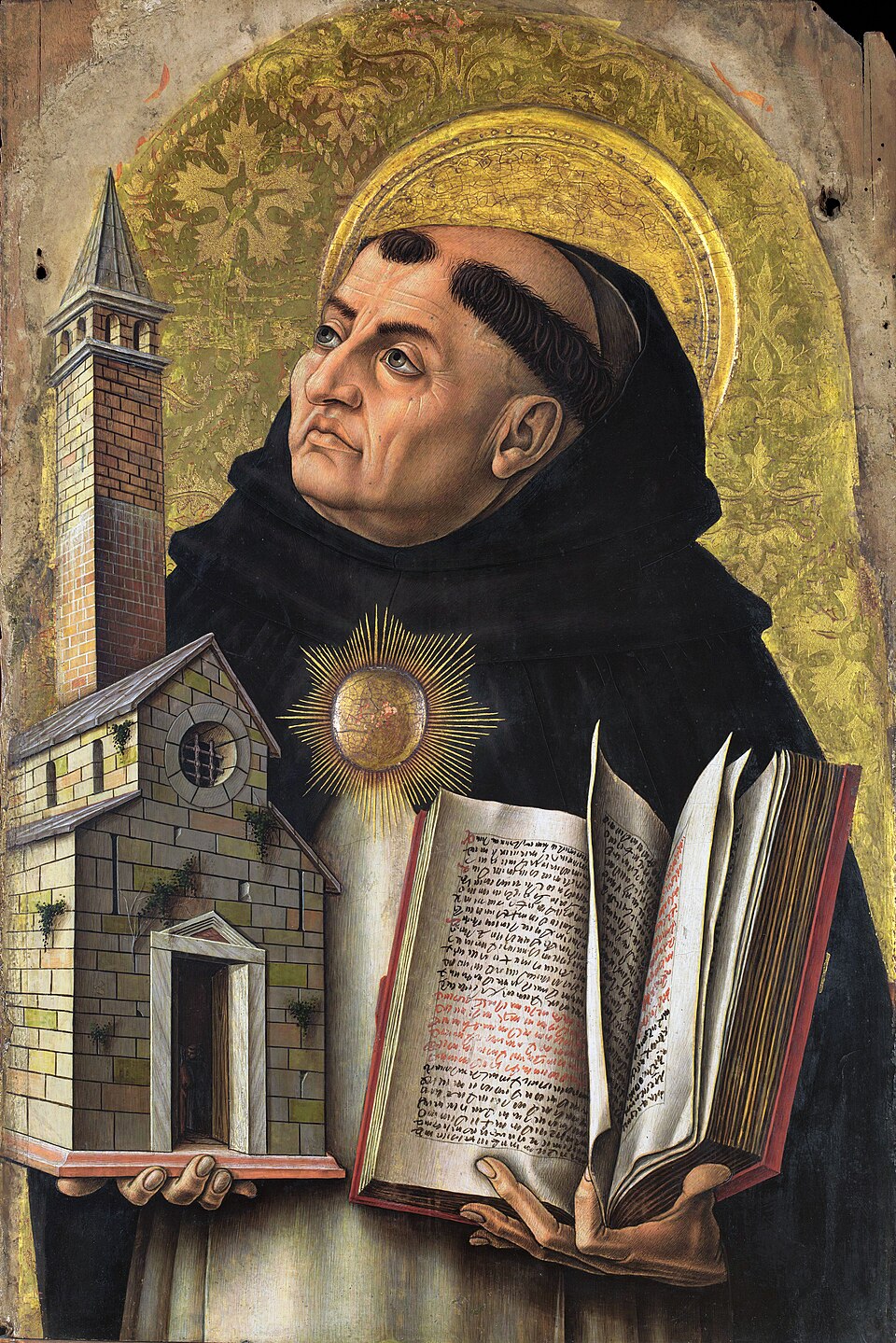
Also remembered on July 3
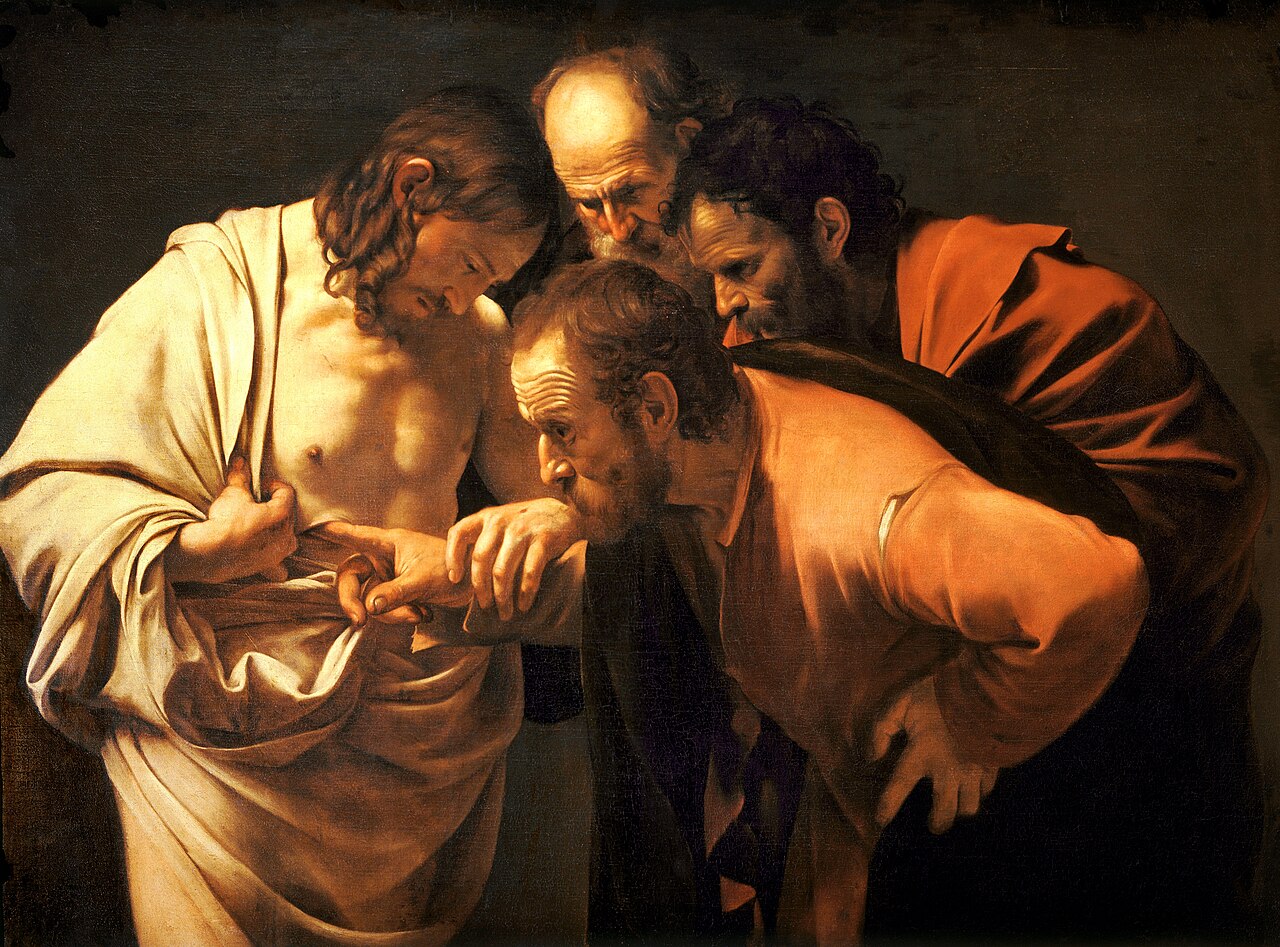
Know of a grace or miracle attributed to Saint Thomas?
Report a Grace or Miracle