Saint
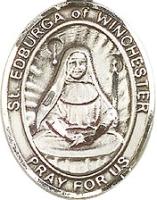
Saint Edburgh of Winchester
In the turbulent landscape of tenth-century England, where the consolidation of the West Saxon kingdom stood as a beacon of Christian stability, one royal daughter chose the cloister over the court.
Biography
In the turbulent landscape of tenth-century England, where the consolidation of the West Saxon kingdom stood as a beacon of Christian stability, one royal daughter chose the cloister over the court. She was a child of the very dynasty that secured the realm against Viking incursions, yet her legacy is found not in battlefields but in the quiet sanctity of a Winchester convent. This remarkable woman, known to history as Edburgh, exemplifies the profound intersection of royal duty and religious devotion that characterized the era.
Born into the prestigious lineage of the West Saxon dynasty, she was the daughter of King Edward the Elder and Edgiva of Kent. Her heritage traced back further to the venerable King Alfred the Great, a figure of immense historical and spiritual weight. Despite this exalted birthright, she was not destined for the political intrigues of the royal court.
Instead, c. during her childhood, she was placed in the convent of Nunnaminster in Winchester, England. This institution held special significance, having been founded by Ealhswith, the widow of her grandfather, Alfred. The house served as a sanctuary for royal women, ensuring their spiritual formation away from the dangers of the secular world.
Within these walls, she embraced the monastic vocation with profound devotion. She did not merely reside there as a figurehead; she lived her whole life within the community. Over the course of decades, she rose to become a holy nun and abbess, guiding the sisters under her care with the wisdom of her lineage and the humility of a servant of God. Her entire existence was dedicated to the service of God within this monastic community, a testament to her unwavering commitment to the religious life she had chosen from youth. The Nunnaminster convent, under her guidance, likely became a center of learning and piety, reflecting the royal patronage that supported its founding.
Her earthly journey concluded on 15 June 960, following a death of natural causes. She was interred at the Nunnaminster convent, where she had spent her days in prayer and labor. However, her sanctity did not end with her burial. In the years following her repose, a portion of her relics was translated to Pershore Abbey in Worcestershire, England. This transfer was not merely ceremonial; the abbey became famous for the miracles attributed to her intercession, drawing pilgrims and affirming her enduring spiritual influence across the region. In an age where physical proximity to the holy was believed to channel divine grace, the translation of her relics to Pershore ensured that her spiritual legacy would flourish beyond the confines of Winchester.
Today, her memory is kept alive on her feast day, 15 June.
Also remembered on June 15
Know of a grace or miracle attributed to Saint Edburgh of Winchester?
Report a Grace or Miracle