Saint
Saint Rocco Gonzalez
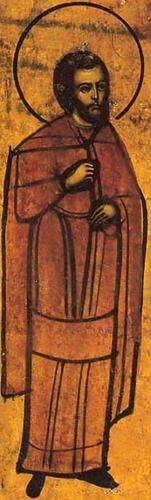
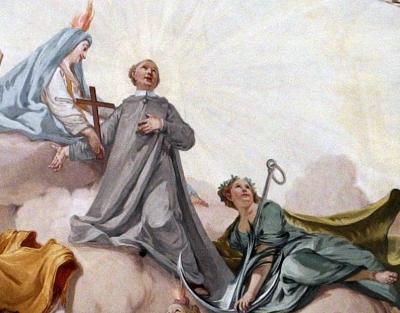
Saint Rocco Gonzalez, also known as Roch Gonzalez or Roque Gonzalez, was born in 1576 to the Paraguayan nobility in Asunción, Paraguay.
Biography
Saint Rocco Gonzalez, also known as Roch Gonzalez or Roque Gonzalez, was born in 1576 to the Paraguayan nobility in Asunción, Paraguay. From an early age, he displayed a passion for serving God and chose to become a Jesuit priest. Roch Gonzalez played a significant role in the Jesuit Reductions, a mission undertaken by the Jesuits to protect indigenous populations from the harmful effects of the slave trade. In 1609, recognizing the devastating impact of the slave trade on the native communities, the Jesuits, led by Roch, gathered the indigenous Indians and ventured inland in Paraguay. They established settlements where they provided education and taught various skills such as agriculture, architecture, construction, metallurgy, farming, ranching, and even printing. Over the years, Roch Gonzalez took on multiple roles to serve the indigenous people.
As a doctor, engineer, architect, farmer, and pastor, he supervised the construction of churches, schools, and homes. He also introduced the natives to caring for cattle and sheep. Roch adapted his evangelization techniques to the locals' love for ornamentation, dancing, and noise. On important Church feast days, he would solemnly celebrate Mass outside the humble thatched church, followed by the entire village dressing in their best attire and spending the rest of the day engaged in games, bonfires, religious dances, flute music, and fireworks. Through his gentle approach grounded in Christianity, Roch Gonzalez achieved remarkable success in softening the fierce warriors' hearts and ensuring violent revenge, a part of the local culture, was abandoned. He became instrumental in helping the natives embrace their newfound faith, putting aside their animosity towards religion.
However, the progress achieved in the Jesuit Reductions faced a severe setback with the arrival of slave traders who wielded influence over the Spanish crown. These traders lured natives away from the Reductions and betrayed them by selling them into slavery. Roch Gonzalez emerged as a fierce protector of the indigenous people's freedom, forcefully pleading their cause with the Spanish government. His relentless efforts eventually resulted in the Reduction of Saint Ignatius being left in peace. Tragically, Roch Gonzalez's commitment to the Indian cause drew the ire of a local witch-doctor who saw his power diminishing. In an act of desperation, the witch-doctor conspired to murder Roch alongside Saint John de Castillo and Saint Alphonsus Rodriquez, also Jesuit missionaries in Paraguay.
As they were finishing the celebration of Mass on 15 November 1628, Roch and his companions were martyred in Caaro, Brazil. Saint Rocco Gonzalez was posthumously recognized for his unwavering commitment to faith and the protection of the indigenous people. On 3 December 1933, Pope Pius XI declared him venerable, acknowledging his martyrdom. He was beatified on 28 January 1934 by the same pope and finally canonized on 16 May 1988 by Pope John Paul II. Today, Saint Rocco Gonzalez is venerated and recognized as a patron saint of native traditions.
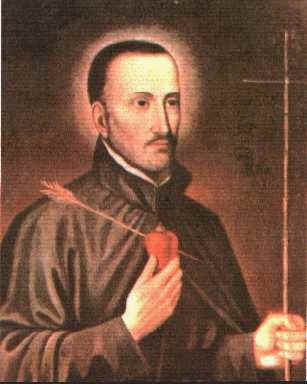
Wikimedia Commons
Also remembered on November 15
Know of a grace or miracle attributed to Saint Rocco Gonzalez?
Report a Grace or Miracle