SaintPre-Congregation
Saint Walstan of Bawburgh
Saint Walstan of Bawburgh, also known as Walstan of Norfolk, was born in the year 965 in the village of Bawburgh, located in Norfolk, England.
Biography
Saint Walstan of Bawburgh, also known as Walstan of Norfolk, was born in the year 965 in the village of Bawburgh, located in Norfolk, England. He was the son of a local prince, and from an early age, he felt a calling to live a life of simplicity and devotion to God. At a young age, Walstan left his comfortable home and embarked on a journey as a mendicant pilgrim and itinerant farm worker. Throughout his travels, Walstan displayed an exceptional work ethic and a compassionate nature. One particular incident showcased his humility and selflessness. While working for a kind-hearted employer who held Walstan in high regard, the employer offered to make him an heir to his possessions. However, Walstan declined the offer, asking instead for a pregnant cow.
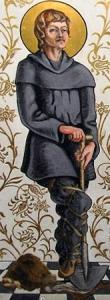
His request was granted, and it was said that the cow gave birth to twin calves, further highlighting the miraculous occurrences associated with Walstan's life. On May 30, 1016, while diligently working in the fields of Taverham, Norfolk, Walstan passed away peacefully due to natural causes. According to legend, after his death, the twin calves he had received as a gift miraculously carried his body to Bawburgh church. As they made their way to the church, they passed through solid walls until they reached the altar, where they gently placed Walstan's body. These remarkable events became ingrained in the traditions and representations of Saint Walstan. He is often depicted in art as a man wearing a crown and holding a scythe, symbolizing his royal lineage and his commitment to labor in the fields.
Another representation shows him holding a sceptre and a scythe, depicting both his spiritual leadership and his connection to agricultural work. Additionally, Saint Walstan is often depicted in the company of the twin calves that carried his body, serving as a reminder of the miracles associated with his life and the intercession he offers to farmers and agricultural workers. Although the formal process of canonization had not been established during Saint Walstan's time, he was venerated as a saint by the people even before the official recognition. His devotion to a life of simplicity, his dedication to work, and his concern for the well-being of farmers and field hands made him beloved and revered. Today, Saint Walstan is recognized as the patron saint of agricultural workers, farm workers, farmers, field hands, and husbandmen. His feast day is celebrated on May 30th, the date of his passing. His life serves as an inspiration for all who toil in the fields, reminding them of the importance of humble service, selflessness, and devotion to God.
Know of a grace or miracle attributed to Saint Walstan of Bawburgh?
Report a Grace or Miracle