Santo
Saint Agritius
In the heart of Gallia Belgica, where the ancient stones of Rome still whispered of imperial grandeur, a profound shift in spiritual architecture occurred.
Biografía
Esta biografía está disponible actualmente solo en inglés.
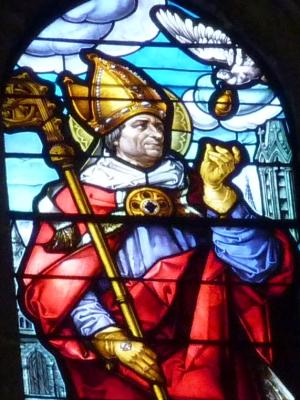
In the heart of Gallia Belgica, where the ancient stones of Rome still whispered of imperial grandeur, a profound shift in spiritual architecture occurred. It was here, in the city of Trier, that a shepherd of the church undertook a task that would echo through the centuries: the conversion of a secular residence into a sanctuary of the divine. This was the work of Saint Agritius, a bishop whose legacy is inextricably bound to the physical transformation of the city itself. While the details of his early life remain shrouded in the mists of antiquity, his stewardship of a specific, sacred trust marks him as a figure of enduring significance in the history of the Church.
The setting of this ministry was Trier, a city that served as a capital of the Roman Empire and a burgeoning center of Christian life. During the era when the Roman state was beginning to embrace the Gospel, the presence
of the imperial family carried immense weight. It was within this context, c. the early fourth century, that Saint Helena, the mother of Constantine the Great, donated a palace to the Christian community. Such a gift was not merely a transfer of property; it represented a convergence of imperial power and ecclesiastical authority. For the bishop tasked with overseeing this donation, the responsibility was monumental.
Saint Agritius accepted this challenge with the diligence expected of a leader in the early Church. The palace, once a seat of temporal governance and private luxury, was repurposed to house the worship of the faithful. This act of transformation required vision and courage. It involved dismantling the symbols of the old order and consecrating the space for the New Covenant. By transforming the structure into a church, Agritius ensured that the legacy of Helena’s generosity would serve the spiritual needs of the community rather than the ambitions of the state.
Historical records regarding his tenure are sparse, a common reality for many saints of the early centuries. There are no surviving accounts of his sermons, his specific pastoral challenges, or the exact dates of his service. Yet, the survival of the tradition regarding this building project attests to his impact. He is remembered not for a specific date of birth or death, but for the enduring mark he left on the landscape of Trier. In an age where persecution had recently given way to tolerance, such a conversion symbolized the triumph of the faith in the very heart of the empire.
To speak of Agritius is to speak of the bridge between the Roman world and the Christian future. The church that rose from the palace became a beacon in Gallia Belgica, a place where the prayers of the faithful could ascend from a structure that once housed the might of the state.
Though the written record is thin, the tradition remains vibrant. Saint Agritius is venerated for his role in establishing a house of God in a place of power. His life reminds the faithful that the work of the bishop is to sanctify the world around them, turning the materials of daily life into instruments of worship. In the quiet reverence of the cathedral that stands in Trier today, the memory of this bishop persists, a silent witness to a time when a palace became a church, and a shepherd became a builder of the Kingdom.
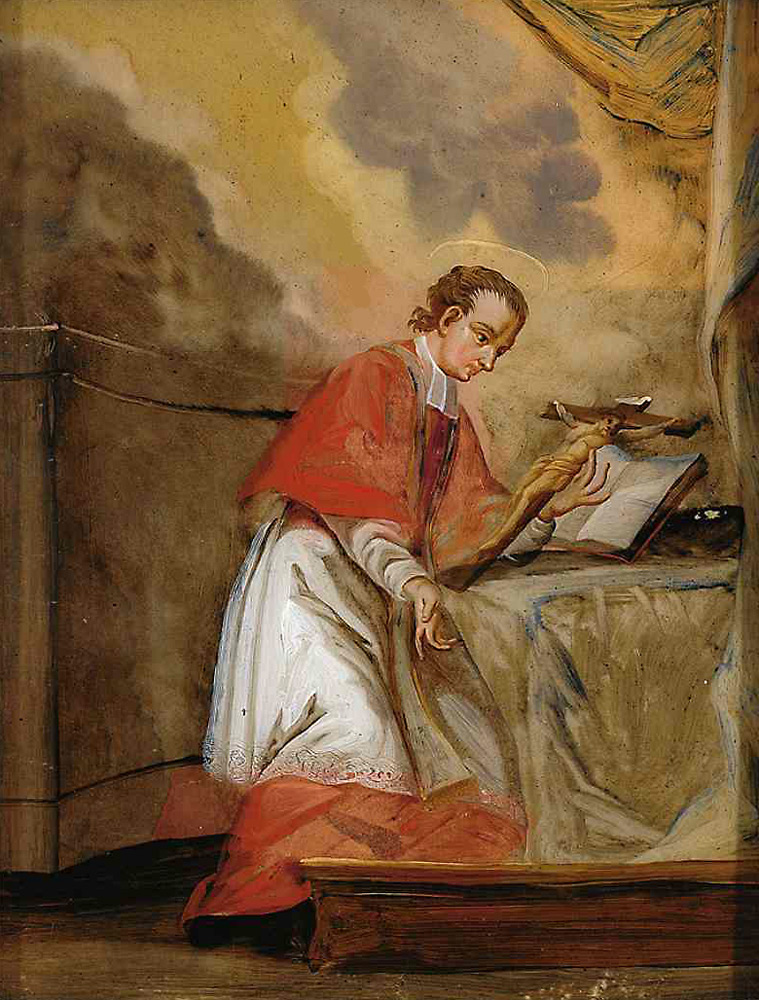
También se celebran el 13 de enero


¿Conoces una gracia o milagro atribuido a Saint Agritius?
Reportar una Gracia o Milagro