SantaAnterior a la Congregación
Santa María Magdalena
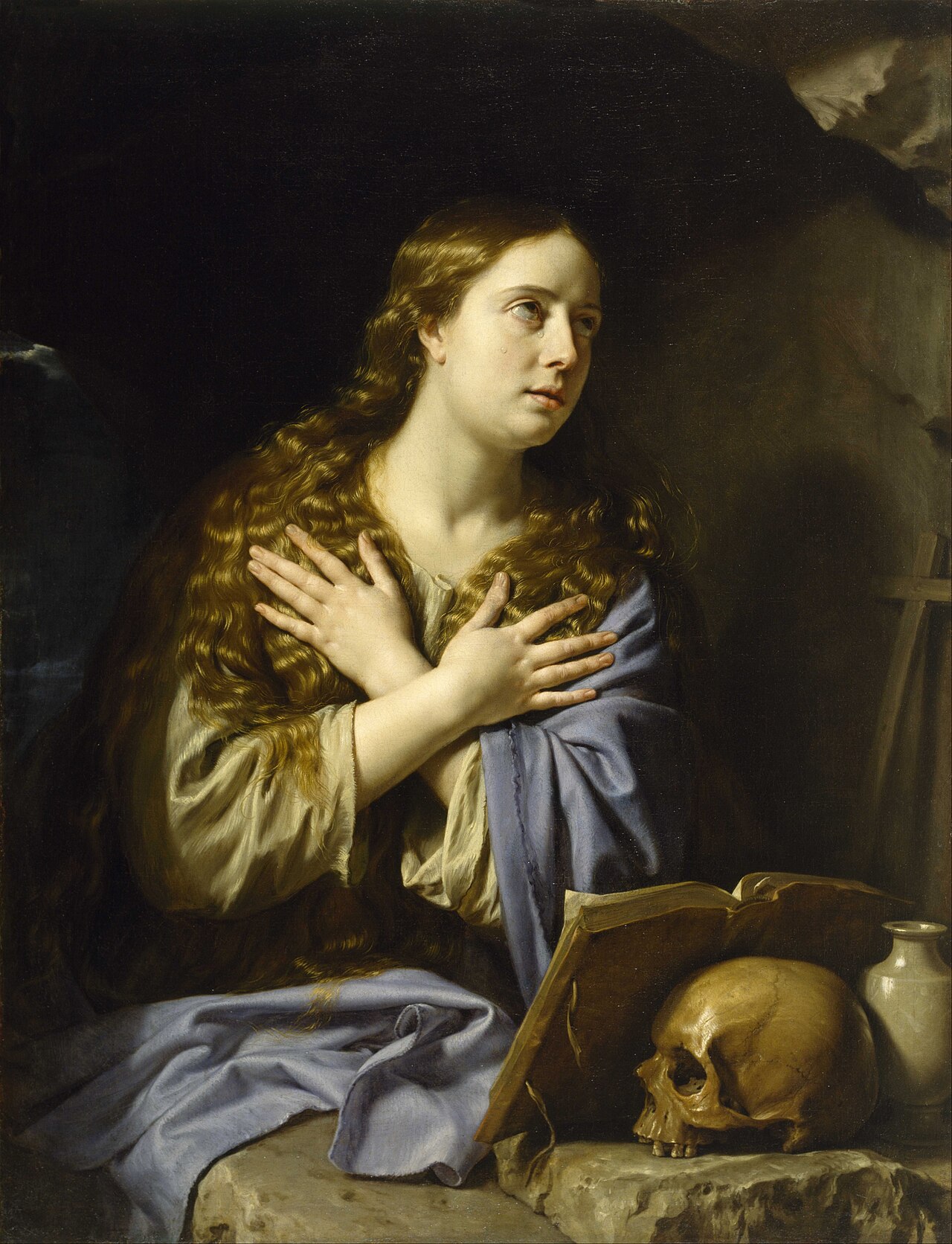
Santa María Magdalena, también conocida como María Magdalena, María Magdalena, María Magdalena o la Pecadora, es una de las figuras más icónicas de la historia cristiana.
Biografía
Santa María Magdalena, también conocida como María Magdalena, María Magdalena, María Magdalena o la Pecadora, es una de las figuras más icónicas de la historia cristiana. Aunque se sabe muy poco acerca de ella, su papel como amiga y seguidora de Jesús dejó una huella significativa en la Iglesia primitiva y más allá. Santa María Magdalena es mejor conocida por sus actos de devoción y arrepentimiento hacia Jesús. Llena de pesar por sus pecados, ungió a Cristo con óleo precioso y lavó sus pies con su cabello. Se dice que Jesús expulsó siete demonios de ella, liberándola de la opresión espiritual. María también fue visitada por el Cristo Resucitado, un encuentro que consolidó su fe y devoción hacia él. Existe mucho debate entre los estudiosos y las tradiciones acerca de la vida de María Magdalena después de la Crucifixión.
La Iglesia griega sostiene que se retiró a Efeso con la Bendita Virgen María y pasó el resto de sus días allí. Por otro lado, una tradición francesa sugiere que María, junto con Lázaro y algunos compañeros, viajó a Marsella, Francia, donde evangelizó y convirtió a las personas de la región de Provenza. Se cree que María pasó luego treinta años como eremita penitente en La Sainte-Baume. A diferencia de algunas concepciones populares erróneas, es importante señalar ciertos hechos sobre Santa María Magdalena. Ella no fue la esposa ni la amante de Jesús, ni la madre de su hijo. Asimismo, no fundó una dinastía real ni una rama separada del cristianismo. En cuanto a su muerte y reliquias, existen múltiples teorías.
Según la Iglesia griega, Santa María Magdalena murió de causas naturales en Efeso, y sus reliquias fueron trasladadas posteriormente a Constantinopla en el año 886, donde permanecen hasta hoy. Alternativamente, una tradición francesa afirma que, mientras yacía en su lecho de muerte, nueve ángeles la llevaron a la oratorio de San Maximino en Aix, donde recibió la Comunión antes de fallecer naturalmente. Fue inicialmente enterrada en un oratorio construido por San Maximino en Villa Lata (San Maximin). En el año 745, sus reliquias fueron trasladadas a Vézelay para protegerlas de los invasores sarracenos. En algún momento, fueron trasladadas a un santuario en su eremitorio de La Sainte-Baume. En el año 1600, las reliquias fueron colocadas en un sarcófago enviado por el Papa Clemente VIII.
La iglesia de La Sainte-Baume fue reconstruida en 1814 y rededicada en 1822 como centro de peregrinación, albergando la cabeza de la santa. Santa María Magdalena, aunque no fue canonizada oficialmente en la época anterior a la Congregación, es ampliamente venerada como santa por la Iglesia Católica. Se considera santa patrona contra la tentación sexual, farmacéuticos, vida contemplativa, contemplativos, conversos, drogueros, fabricantes de guantes, peluqueros, peluqueras, pecadoras arrepentidas, mujeres arrepentidas, personas ridiculizadas por su piedad, perfumerías, perfumistas, farmacéuticos, prostitutas reformadas, curtidores y mujeres. Varias localidades de Italia, como Atrani, Salerno; Casamicciola Terme; Castelnuovo Cilento; Castiglione del Lago; Credera Rubbiano; Cusiano; Foglizzo; La Magdeleine; Morgongiori; Porretta Terme; Rubbiano; y Venecia, tienen una fuerte devoción hacia Santa María Magdalena. Además, también es venerada en Anguiano, España, y Elantxobe, España. Su vida y legado continúan inspirando a cristianos en todo el mundo, animándolos a buscar el perdón, la transformación y la devoción inquebrantable hacia Cristo.
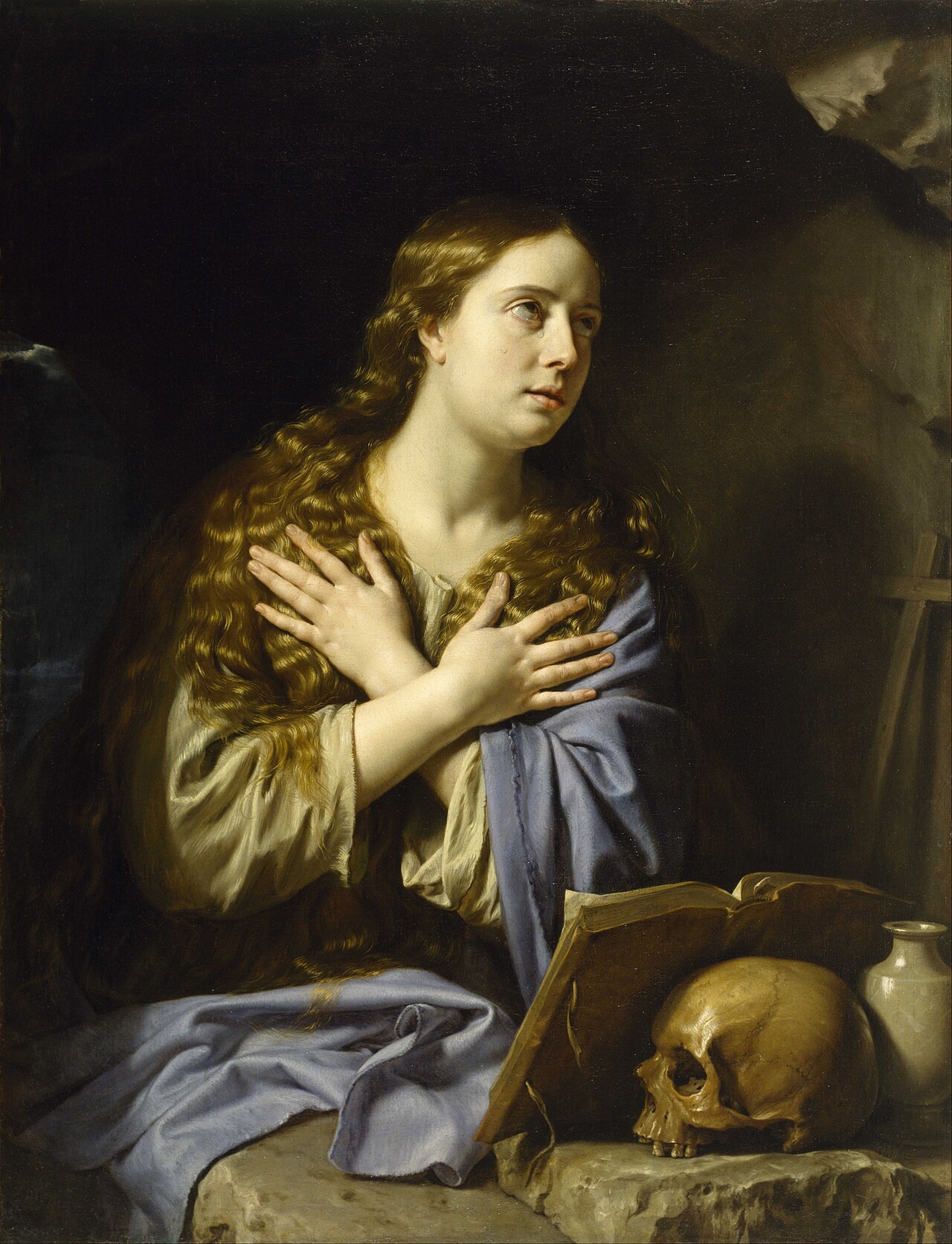
Wikimedia Commons
También se celebran el 22 de julio
¿Conoces una gracia o milagro atribuido a Santa María Magdalena?
Reportar una Gracia o Milagro