Saint
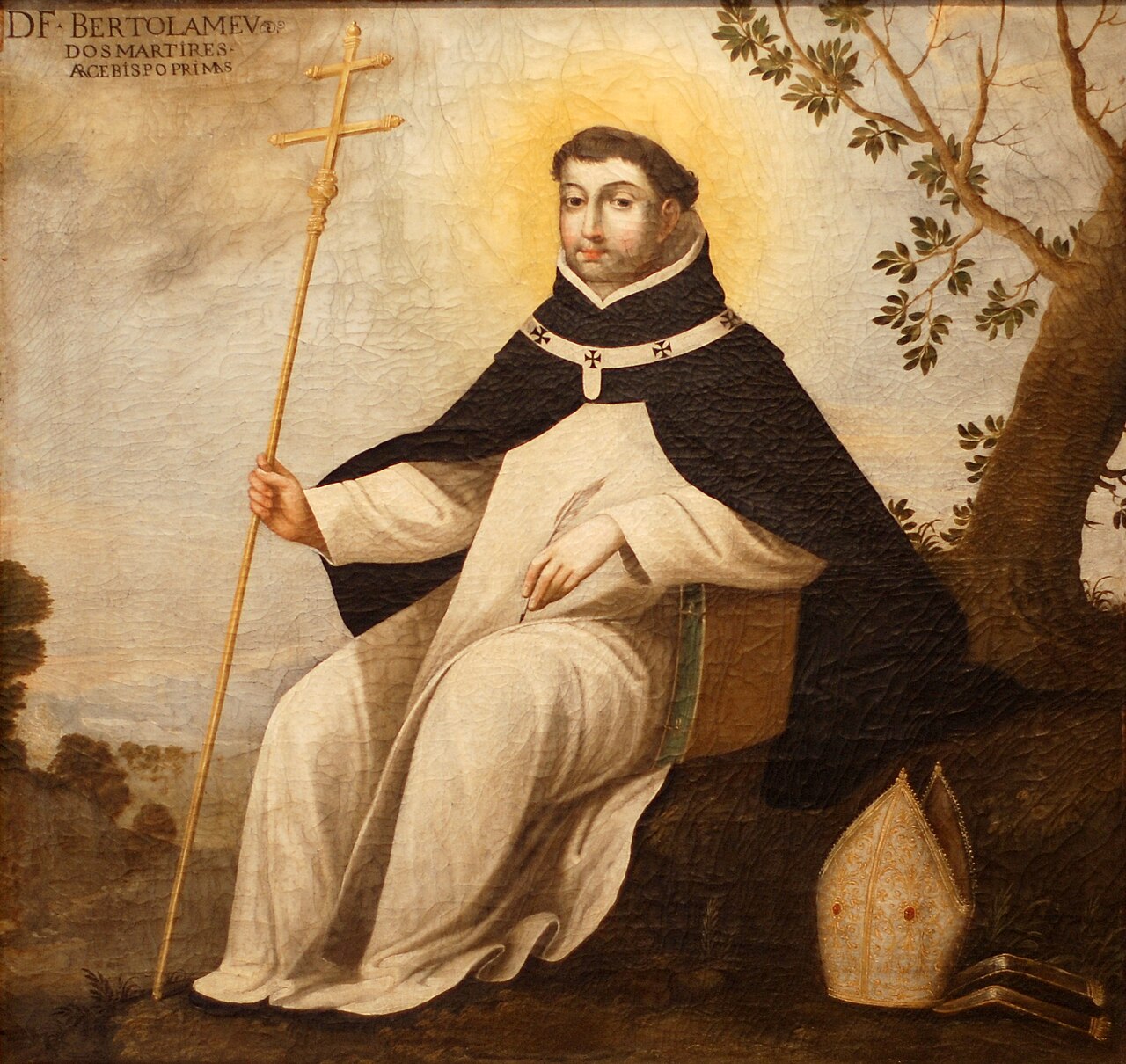
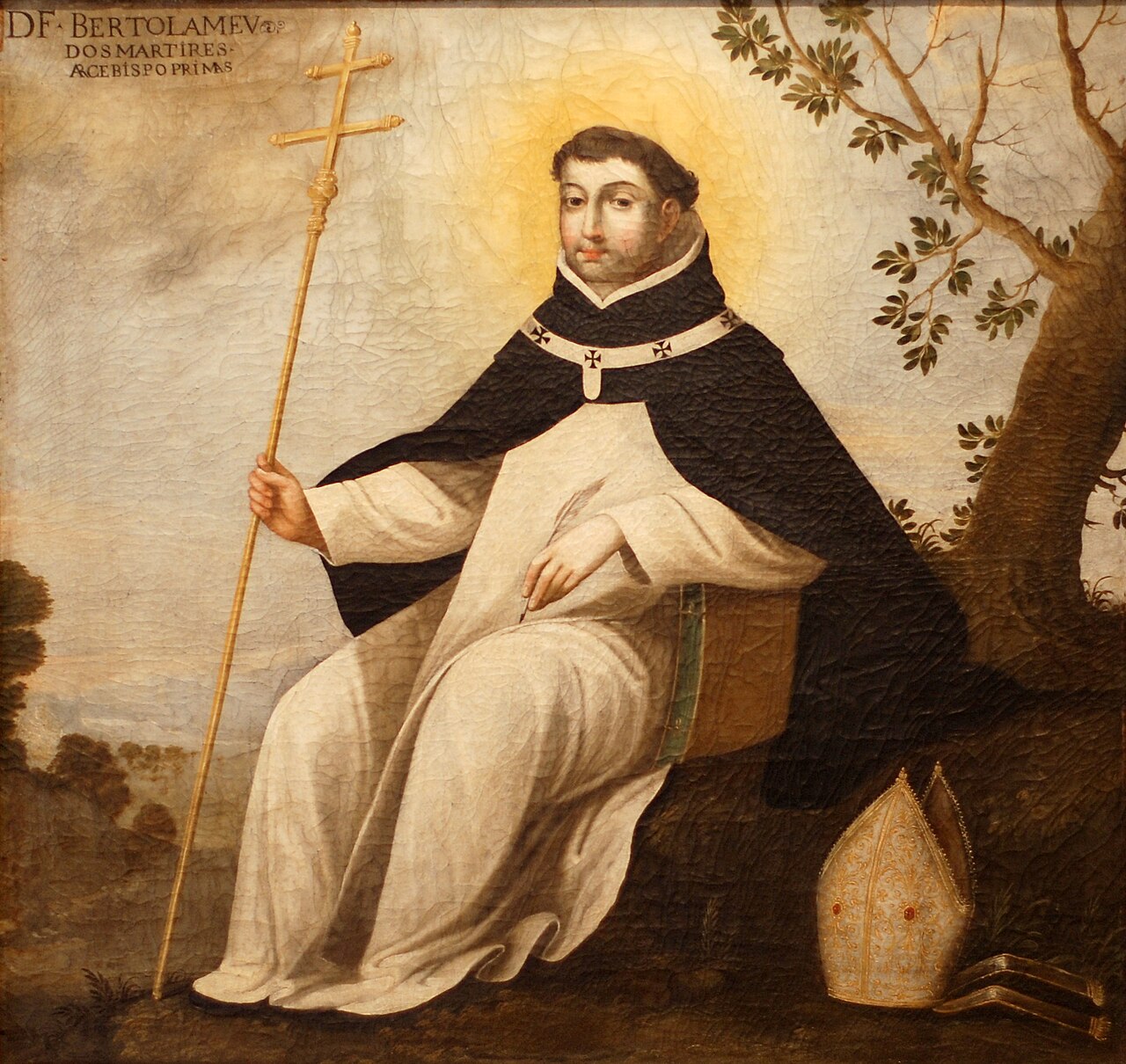
Saint Bartolomeu Fernandes dos Mártires
In the rugged landscape of northern Portugal, where the Atlantic winds meet ancient stone, the name of Bartolomeu Fernandes dos Mártires stands as a testament to a life dedicated to the rigorous demands of ecclesiastical…
Biography
In the rugged landscape of northern Portugal, where the Atlantic winds meet ancient stone, the name of Bartolomeu Fernandes dos Mártires stands as a testament to a life dedicated to the rigorous demands of ecclesiastical office. He is remembered not merely for a title, but for the convergence of monastic discipline and episcopal authority that defined his tenure. The records of his life, however, remain as fragmented as the stones of the churches he served, leaving much to the silence of history.
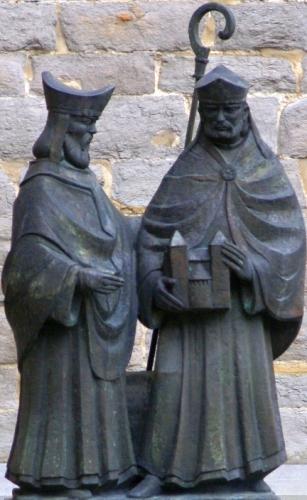
His primary distinction lies in his capacity as the Bishop of Braga. This see is one of the oldest and most venerable in the Christian world, a seat of apostolic tradition that has weathered centuries of political and religious upheaval.
To hold this office was to bear a heavy burden of spiritual leadership, requiring not only administrative acumen but a profound commitment to the faith of the people entrusted to his care. The brief accounts available to us confirm that he occupied this high station, serving as a shepherd within the Diocese of Braga, though the specific chronology of his episcopate is lost to the erosion of time.
Before or during his time in the episcopate, the hagiographical tradition places him at Viana do Castelo. Here, within the monastery of the Holy Cross, he is said to have lived a life of contemplation and prayer. The monastery itself, dedicated to the Holy Cross, suggests a devotion central to his spiritual identity. While the specific dates of his entrance into this monastic community are not recorded, the association remains a key part of his legacy. It was in this setting, away from the immediate clamor of the world, that his reputation for holiness was likely cultivated. The text notes that he was distinguished, though the particulars of this distinction are not fully preserved in the surviving briefs. Whether his distinction lay in his governance, his piety, or his endurance of hardship, the implication is that his life left a mark upon the spiritual landscape of the region.
The scarcity of biographical detail regarding the bishop is a common fate for many saints of the medieval period. In an era where chronicles were often destroyed or neglected, the memory of the faithful preserved only the essentials: the name, the office, and the place of spiritual significance. For the modern reader, this lack of data might seem like a barrier to understanding, yet it invites a different kind of engagement. It requires the believer to look beyond the specific anecdotes of a life and consider the enduring nature of the vocation itself.
As a bishop, he would have been responsible for the pastoral care of souls, the administration of sacraments, and the maintenance of the church's physical and spiritual integrity. As a monk, he would have adhered to a rule of life emphasizing poverty, chastity, and obedience, grounding his public service in private devotion. The intersection of these two vocations—monastic and episcopal—is a rare and significant one, highlighting a man who understood that leadership within the Church must be rooted in the quiet strength of the cloister.
The See of Braga continues to stand as a beacon of faith, and the monastery of the Holy Cross in Viana do Castelo remains a house of prayer.
Also remembered on July 16
Know of a grace or miracle attributed to Saint Bartolomeu Fernandes dos Mártires?
Report a Grace or Miracle