Saint
Saint Helier
In the rugged isolation of the North Sea, where the Atlantic swells crash against the rocky shores of the Channel Islands, a life of profound solitude and ultimate sacrifice unfolded.
Biography
In the rugged isolation of the North Sea, where the Atlantic swells crash against the rocky shores of the Channel Islands, a life of profound solitude and ultimate sacrifice unfolded. The figure of the hermit on the island of Jersey stands as a testament to a faith willing to endure the harshness of the natural world and the violence of the human heart. While precise chronologies remain obscured by the mists of time, the enduring tradition preserves the memory of a man who sought God in the wilderness only to find Him through the blood of martyrdom.
The setting itself is a character in this spiritual drama. Jersey, situated in the archipelago known as the Channel Islands, offered a landscape both beautiful and unforgiving. For a seeker of divine intimacy, the remote coast provided the necessary silence for contemplation, yet it also lay exposed to the perils of maritime raiders.
The early medieval period was marked by instability across the seas, where the line between commerce and piracy was often blurred. In this turbulent era, the hermit chose a dwelling place that was spiritually rich but physically vulnerable. He did not merely preach; he inhabited the landscape, making the island a sanctuary of faith. His presence was likely a beacon of stability for the scattered inhabitants, offering spiritual counsel amidst the chaos of the age.
Tradition holds that this holy man lived as a hermit, withdrawing from the distractions of society to dedicate his days to prayer and ascetic discipline. This vocation was common among early missionaries in the British Isles, yet his specific location on Jersey sets him apart. He did not merely preach; he inhabited the landscape, making the island a sanctuary of faith. His presence was likely a beacon of stability for the scattered inhabitants, offering spiritual counsel amidst the chaos of the age.
However, the tranquility of the hermitage was shattered by the arrival of those who sought plunder rather than peace. It is recorded that the hermit met his end at the hands of pirates. This violent conclusion underscores the reality of missionary work and ascetic life in the coastal regions of Europe. The very isolation that fostered his spiritual growth also left him exposed to the lawless elements that roamed the waters. The narrative of his death transforms a simple story of withdrawal into a powerful witness of endurance. To face violence with the composure of a saint is to affirm the power of grace over fear.
The legacy of this martyrdom is inextricably linked to the geography of the island. The community that survived the raids recognized the holiness of the man who had given his life there. While the specific details of his life have faded into the legendary, the core truth remains: a man who loved God enough to live alone, and loved Him enough to die for the faith he upheld.
In the annals of hagiography, few stories are as stark as this. There are no elaborate miracles recorded, no complex theological treatises attributed to his pen. Instead, there is the stark reality of a hermit on a rocky isle, facing the sea and the sword. This simplicity lends the account a particular gravity. It reminds the faithful that sanctity is not always found in the safety of the cloister, but sometimes in the exposed edge of the world, where the battle between light and darkness is fought in silence and blood. The memory of the hermit of Jersey endures not through the accumulation of legends, but through the enduring witness of a life surrendered completely to the divine.
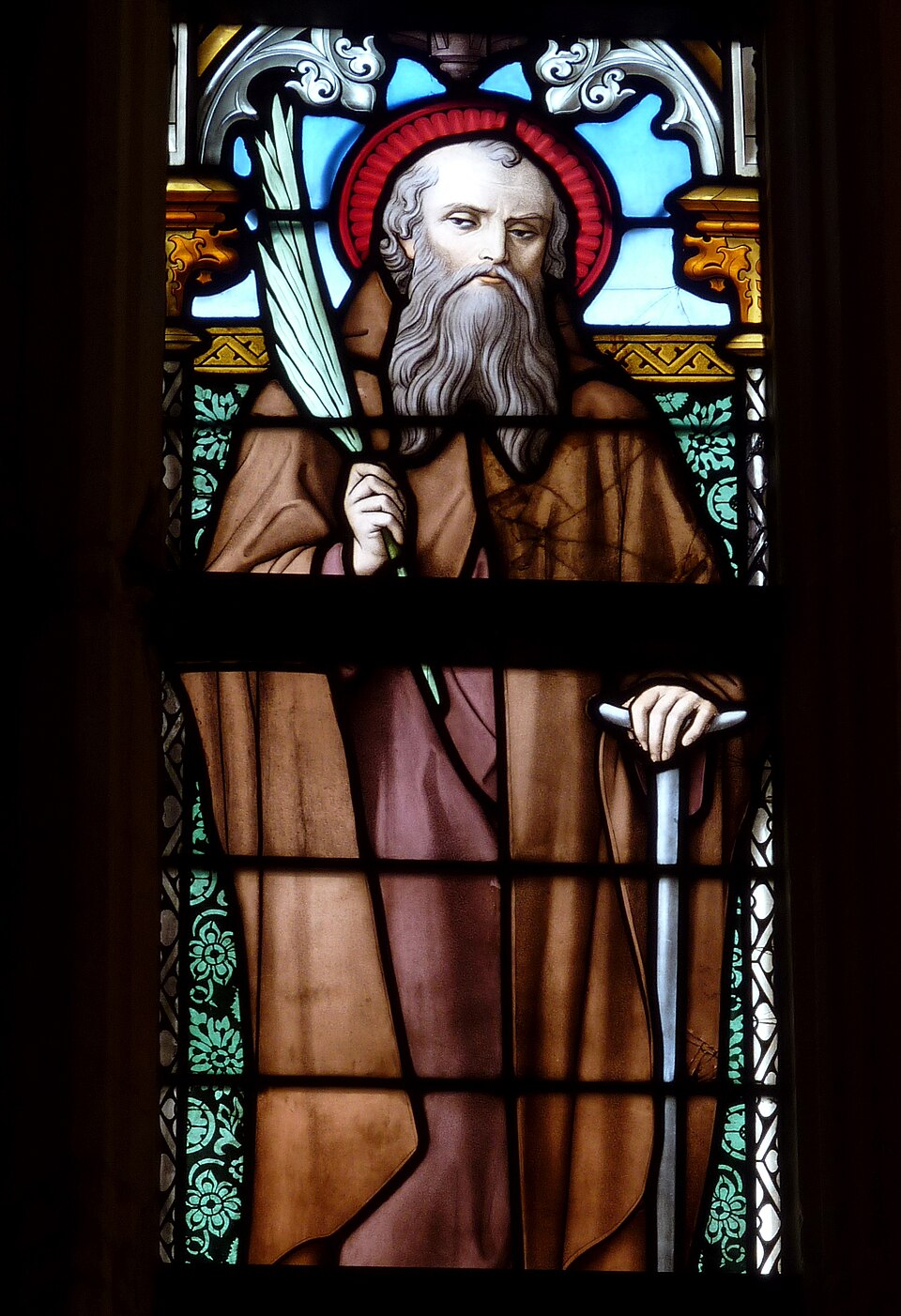
Also remembered on July 16
Know of a grace or miracle attributed to Saint Helier?
Report a Grace or Miracle