Saint
Saint Bernat Calbó
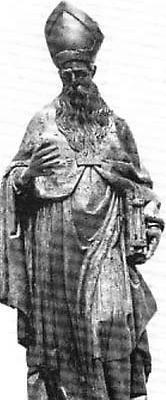
The trajectory of a life is often marked by the weight of its transitions, but few spiritual journeys are as stark as that of the prelate who moved from the gavel of a judge to the habit of a monk, and finally to the…
Biography
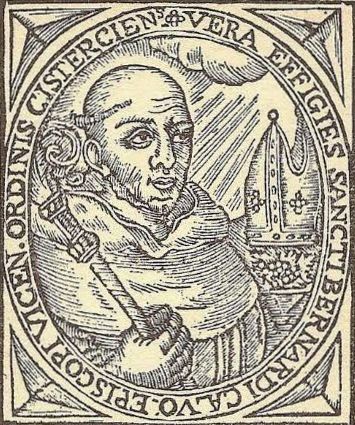
The trajectory of a life is often marked by the weight of its transitions, but few spiritual journeys are as stark as that of the prelate who moved from the gavel of a judge to the habit of a monk, and finally to the mitre of a bishop. This remarkable figure, known to history as Bernat Calbó, embodies a profound shift from the administration of secular law to the governance of souls, leaving behind the authority of the court for the humility of the cloister before accepting the burdens of the episcopate.
His story begins in the vibrant landscape of Catalonia, specifically within the ecclesiastical jurisdiction of Vic, a city in Spain that has long served as a spiritual and cultural hub. Before his religious vocation took hold, he held the office of judge.
In the medieval context, this was a position of significant temporal power, requiring a mastery of civil law and the authority to adjudicate disputes among the populace. To leave such a position was not merely a career change; it was a renunciation of worldly status and influence. This decision signals a deep interior conviction, a calling that demanded the abandonment of judicial authority in favor of a life dedicated to spiritual labor.
Following his departure from the judicial office, the path led him to the Cistercian order. The Cistercians, known for their strict adherence to the Rule of Saint Benedict and a life of prayer, work, and manual labor, were a dominant force in the religious landscape of the Iberian Peninsula during the medieval period. Joining this order required a total transformation of lifestyle, moving from the public sphere of the courtroom to the silence of the monastery. His ascension to the role of abbot among the Cistercians indicates a recognition of his leadership qualities and spiritual maturity by his peers. As an abbot, he would have been responsible for the governance of a monastic community, overseeing the spiritual welfare of the brothers and the management of the abbey’s temporal affairs. This experience would have further refined his character, preparing him for the ultimate ecclesiastical challenge.
The culmination of this spiritual progression occurred when he was elected to the See of Vic. The transition from monastic abbot to diocesan bishop represents a shift from the contemplative life to the active pastoral care of a wider flock. In the historical context of Catalonia, the Bishopric of Vic was a significant ecclesiastical entity, often navigating the complex religious and political dynamics of the region. He did not seek the office; he was chosen, suggesting that his reputation for integrity and piety had spread beyond the monastery walls to the wider church hierarchy.
It must be acknowledged that the historical record regarding his specific acts of charity, miracles, or the precise chronology of his life is sparse. Hagiographers often find that the lives of those who served with such profound dedication were recorded with a focus on their office rather than their personal exploits. Yet, this silence does not diminish his witness. The narrative of his life is one of consistent movement toward God. He did not stop at the comfort of the monastery; he did not cling to the power of the judge. He accepted the cross of the bishopric.
In the annals of the Church, figures like Bernat Calbó serve as reminders that holiness is not confined to a single vocation. Whether in the courtroom, the abbey, or the cathedral, the call to serve remains constant. His legacy in Vic endures not through a catalog of extraordinary feats, but through the integrity of a life that moved from justice to mercy, from law to grace. The faithful in Catalonia continue to venerate him as a model of conversion and episcopal dedication, a saint whose life was a continuous act of surrender to the divine will.
Also remembered on October 25
Know of a grace or miracle attributed to Saint Bernat Calbó?
Report a Grace or Miracle