Saint
Saint Front
In the shadowed valleys of ancient Gaul, where the Roman legions once marched and pagan temples stood tall, a different kind of conquest was being waged.
Biography
In the shadowed valleys of ancient Gaul, where the Roman legions once marched and pagan temples stood tall, a different kind of conquest was being waged. This was the spiritual conquest of the soul, led by a man whose name echoes through the centuries as the pioneer of faith in the region of Aquitaine. He is known as the first bishop of Périgueux, a title that carries the weight of an entire apostolic tradition within the region. His life is defined not by a catalog of recorded miracles or a detailed chronology of events, but by the singular, foundational act of bringing the Christian message to a city that had previously known other gods.
The city of Périgueux, nestled in the heart of Aquitaine, now part of modern-day France, stands as a testament to his labor. It was here that this holy man is believed to have first preached the Gospel.
To be the first is to bear a unique burden and a singular grace; it requires not only the courage to plant a seed in unfamiliar soil but also the wisdom to nurture it into a community of believers. As the inaugural bishop, the responsibility fell upon him to establish the liturgical and doctrinal foundations that would sustain the local church long after his departure. In the early centuries of the Church, the role of a bishop was not merely administrative but deeply pastoral and sacrificial. The bishop was the shepherd, the teacher, and the link to the wider communion of saints, a role this man undertook with dedication.
The historical context of his ministry places him within the formative decades of the Church’s expansion into Western Europe. While specific chronologies of his life remain elusive to the modern historian, the tradition surrounding his work places him within the era when the faith was taking root in the provinces of the empire. In these early centuries, the work of evangelization was perilous and demanding, often conducted in the face of social and political upheaval. For Périgueux, this figure became the cornerstone of the local ecclesiastical identity. The continuity of the diocese itself serves as a living monument to his initial efforts, suggesting that the community he established survived the vicissitudes of time and persecution.
The historical record regarding this saint is notably sparse. There are no surviving letters, detailed accounts of his miracles, or specific dates of his birth and passing recorded in the immediate archives. Yet, the persistence of his veneration suggests a life marked by evident holiness. In the absence of detailed biographical data, the faithful have relied on the enduring testimony of the community he founded. The tradition holds that he was the vessel through which the message of salvation entered the region, a claim that has been upheld by the continuity of the diocese itself. The silence of the archives regarding his personal life only serves to highlight the silence of the historical record, yet the legacy remains loud in the spiritual life of the city.
His legacy is inextricably bound to the geography of Aquitaine. The city that he first evangelized continues to bear the imprint of his ministry. In the annals of hagiography, where some lives are illuminated by the light of recorded miracles and others by the quiet persistence of faithful service, this figure occupies a space of quiet dignity. He represents the beginning of a spiritual lineage in a specific place, a foundational figure whose name serves as a reminder that the work of the Gospel often begins with a single voice speaking truth to a new land. The story of his life is one of initiation, marking the moment when the light of the Gospel first pierced the darkness of the ancient city, leaving a legacy that has endured for centuries.
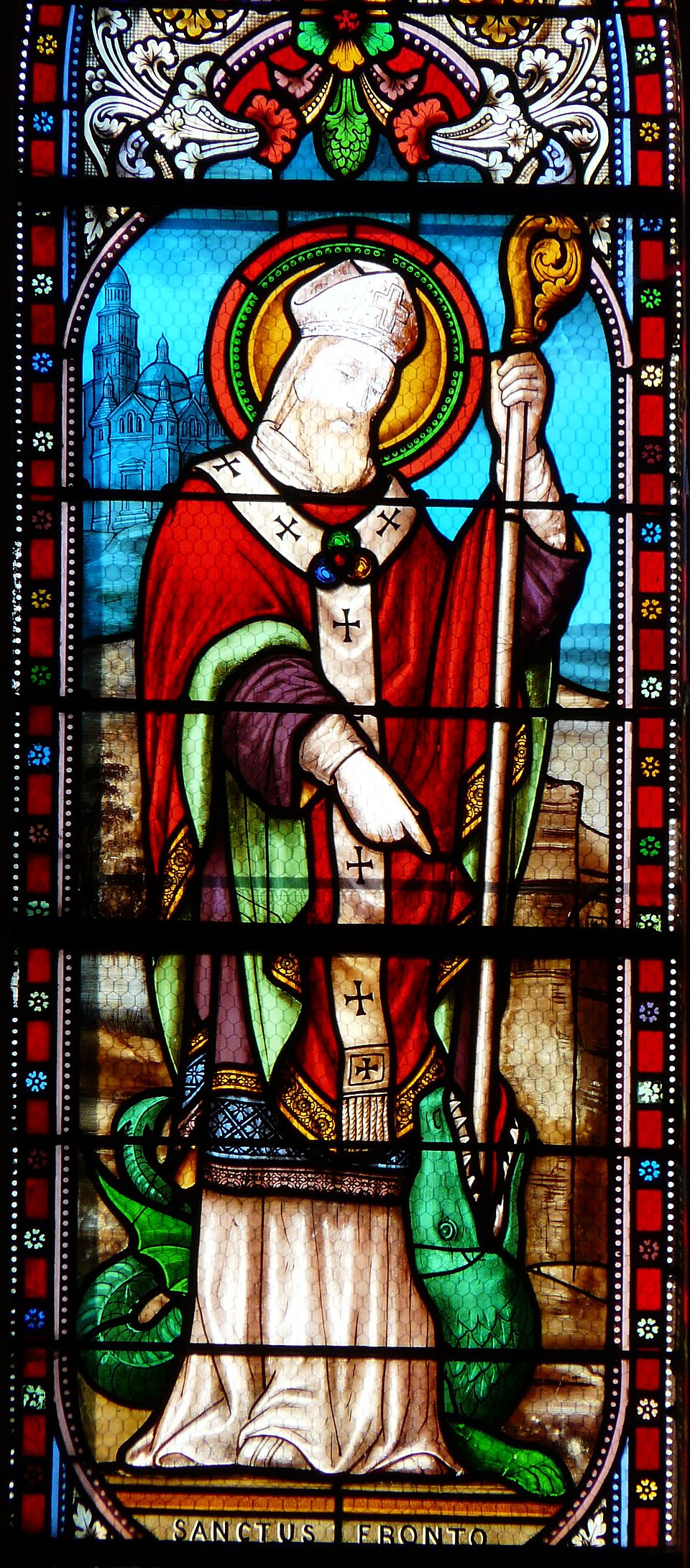
Also remembered on October 25
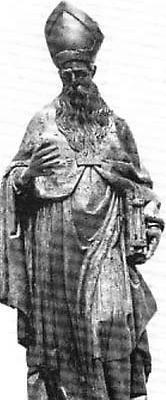
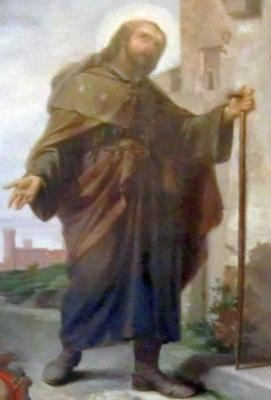
Know of a grace or miracle attributed to Saint Front?
Report a Grace or Miracle