Saint
Saint Cucufato
The ultimate triumph of the Christian spirit is often found not in the length of a life, but in the quality of its final offering.
Biography
The ultimate triumph of the Christian spirit is often found not in the length of a life, but in the quality of its final offering. For one such witness, the instrument of execution became the ladder to glory. In the bustling Roman province of Hispania Tarraconensis, amidst the chaos of the Great Persecution, a believer known as Cucufato stood firm against the tides of imperial wrath. His story is etched not in the detailed chronicles of court historians, but in the resilient memory of the Church, preserved as a testament to faith under fire. The narrative begins not with a birth, but with a death that was, in truth, a victory.
The historical backdrop for this sacrifice is one of systematic terror. During the reign of Emperor Diocletian, beginning in earnest around c. 303, the Roman Empire launched its most severe campaign against Christianity.
Legions were mobilized to dismantle the faith, demanding sacrifices to the Roman gods and the Emperor. In the city of Barcelona, known in antiquity as Barcino, the pressure to renounce the Cross was intense. It was here that this servant of Christ made his stand. While the precise details of his early life remain obscured by the mists of the fourth century, the core of his witness is undeniable. He did not flee the edicts of the state; he faced them with a resolve that transcended the fear of physical death.
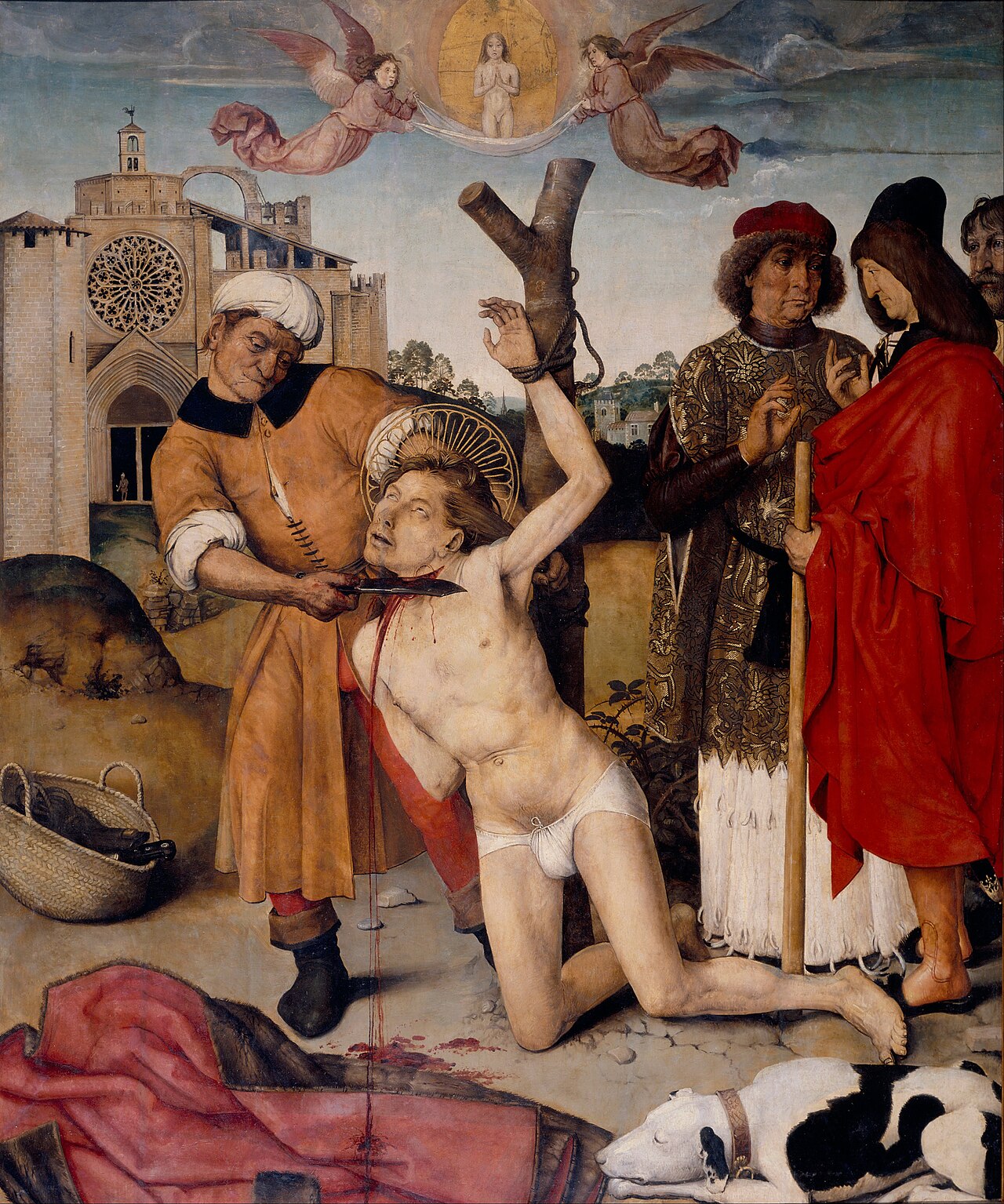
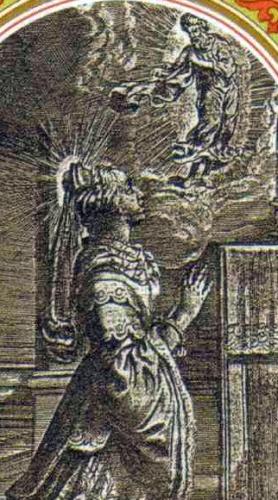
The account of his end is stark and powerful. Confronted by the agents of Diocletian, he was not granted the chance to recant. Instead, the sword was drawn. The tradition of his passion records that he was pierced with a blade, the violence of the act marking the finality of his earthly journey. Yet, in the theology of the martyrs, this violence was not a defeat. It was the moment of victory. As the lifeblood flowed from his wound, his spirit ascended victorious to heaven. This imagery of ascent captures the essence of his legacy: a soul unburdened by the constraints of the mortal coil, returning to the Divine presence he had never ceased to honor.
It is important to acknowledge the limitations of the historical record regarding this saint. Unlike later figures who left behind correspondence or detailed hagiographies, the story of Cucufato survives in the concise liturgical commemoration. There are no surviving letters from his hand, no accounts of his family, profession, or specific age. The silence of the archives regarding his birth and his youth does not diminish the reality of his witness. In the early Church, many faithful were known only by their bloodshed, their names preserved solely by the communities that revered them as heroes of the faith. The specific circumstances of his conversion are traditionally left to the mystery of divine grace, known only to God.
Today, the memory of this martyr endures in Barcelona. His name is invoked alongside other early confessors of the region, a symbol of the resilience of the Spanish Church during its most perilous infancy. To remember him is to remember the cost of discipleship in a world hostile to truth. He is a reminder that the sword, intended to silence the faithful, only serves to spread the message of the Gospel through the very act of sacrifice. His ascension was not merely a departure from the earth, but a coronation in the kingdom of heaven. In the liturgical calendar, he stands as a silent pillar, a testament that while empires may rise and fall, the victory of the martyr remains eternal.
Also remembered on July 25
Know of a grace or miracle attributed to Saint Cucufato?
Report a Grace or Miracle