Saint
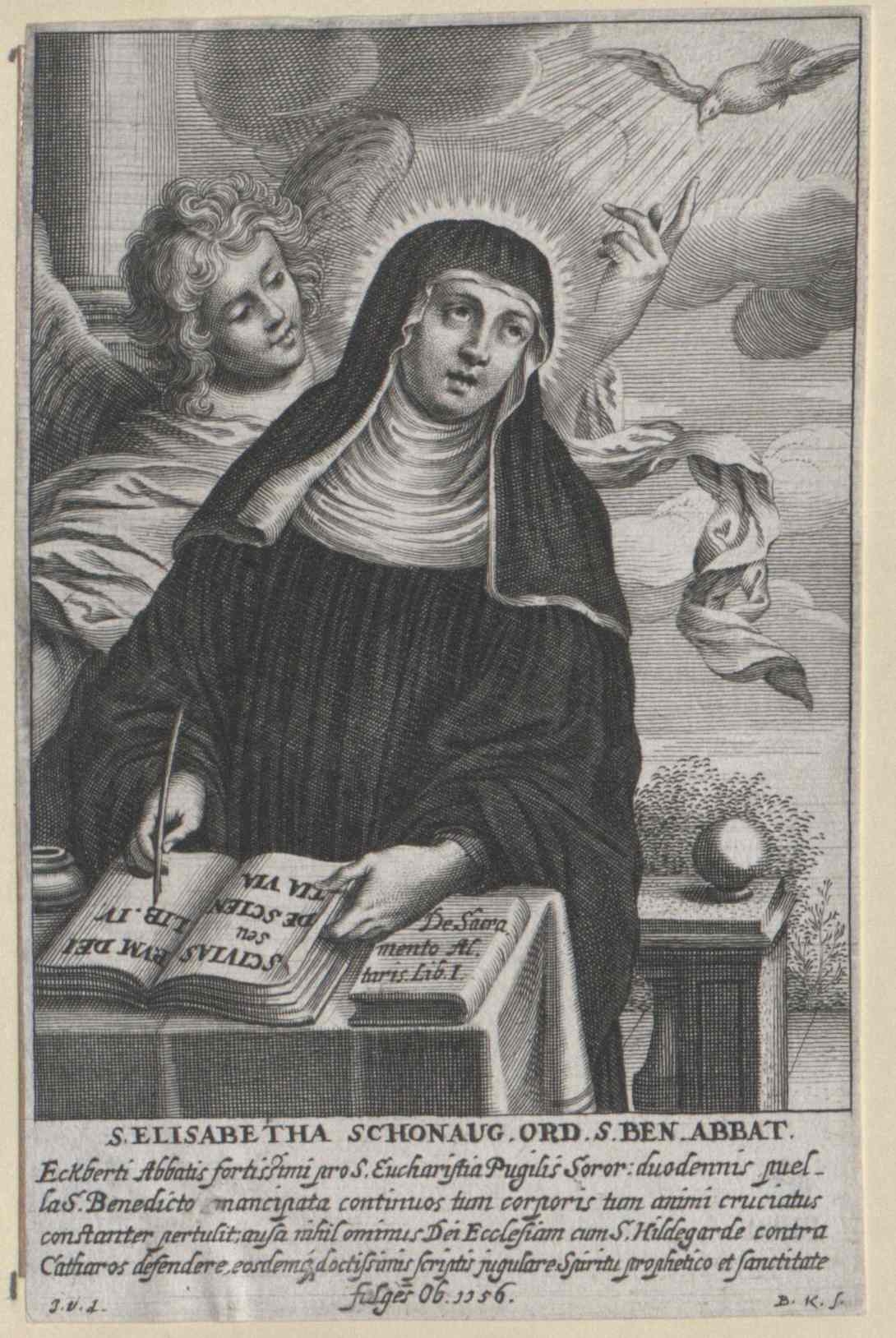
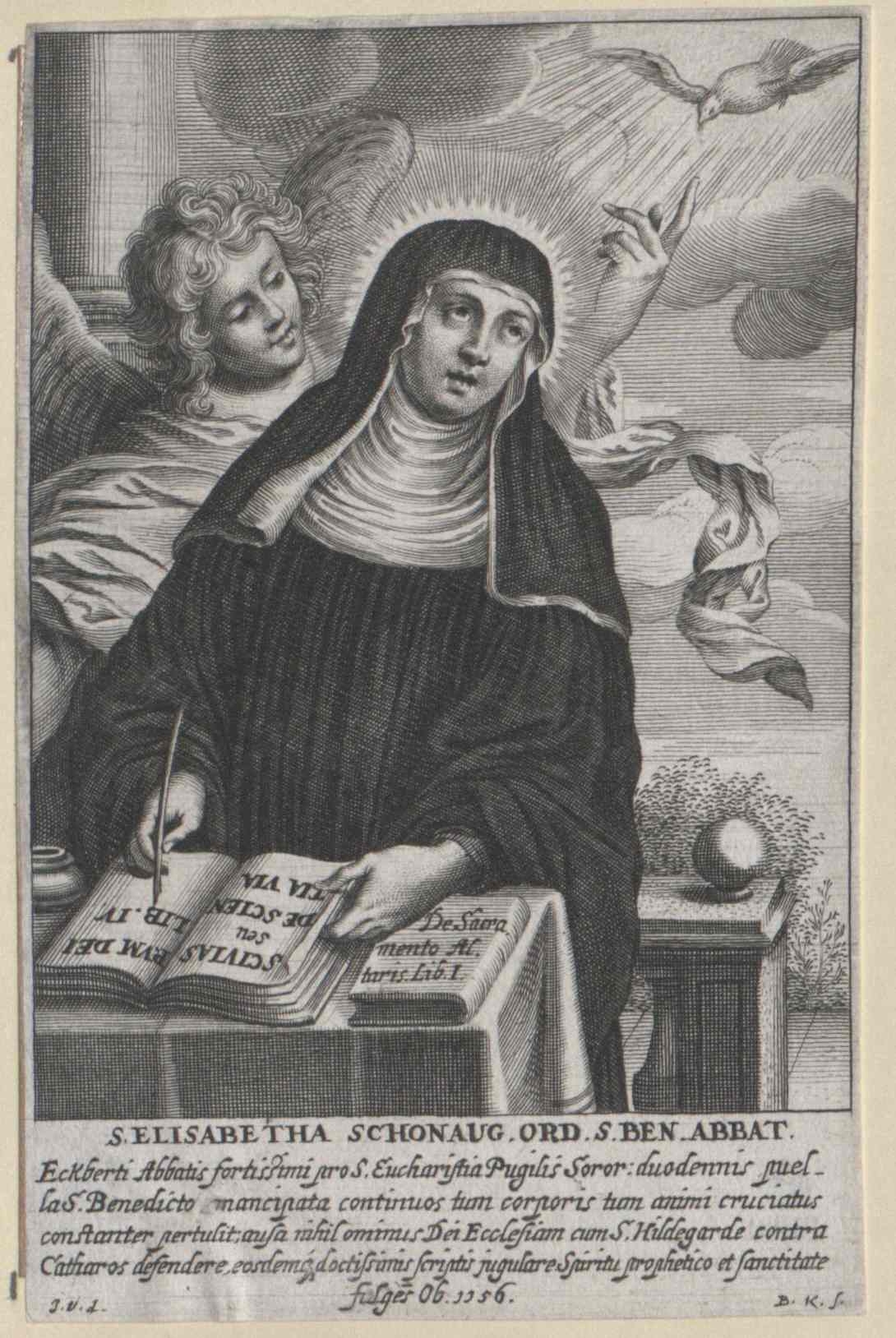
Saint Elisabeth von Schönau
In the verdant valleys of the Rhineland, where the currents of the river reflect the ancient stone of ecclesiastical history, there stood a beacon of spiritual discipline.
Biography
In the verdant valleys of the Rhineland, where the currents of the river reflect the ancient stone of ecclesiastical history, there stood a beacon of spiritual discipline. She was not merely a resident of a monastery, but its shepherdess. The life of the religious woman known as Elisabeth von Schönau offers a testament to the power of consecrated virginity and the rigorous demands of Benedictine leadership. While the specific chronicles of her birth and death remain obscured by the mists of centuries, her enduring legacy is anchored in the soil of Schönau, a community nestled in the Rhineland region of Germany.
To be an abbess in this era was to shoulder a burden of immense proportion. It required not only a deep interior life but the administrative fortitude to guide a community of souls. The brief historical record highlights her distinction in the observance of the monastic life.
This phrase speaks volumes about a woman who did not merely inhabit the cloister but embodied its spirit. In a time when monastic reform was a pressing concern across Christendom, her commitment to the Rule served as a living proof of the order's vitality. Her life was defined by the balance of prayer, work, and obedience, a triad that sustained the spiritual economy of the convent.
The designation of virginity carries particular weight in hagiography. It signifies a total dedication of the self to the Divine, a radical freedom from earthly attachments that allowed for a unique intimacy with the sacred. As a virgin abbess, she navigated the complex intersection of authority and humility. She held the keys to the monastery, yet her heart remained open to the humility of a servant. This dual nature of leadership and personal sanctity is what distinguishes her memory. She did not seek power for its own sake but wielded it as a steward of the community's spiritual welfare.
Historical context suggests that women in such positions were rare and often faced scrutiny. Yet, the record affirms her success. The location of Schönau places her within a network of religious communities that flourished in the Holy Roman Empire. These communities were often centers of learning and piety, acting as anchors in a turbulent medieval landscape. The fact that she is remembered as a virgin who distinguished herself in observance implies a life of consistency. It suggests a daily rhythm of liturgical prayer and manual labor that was not disrupted by worldly distractions.
While the full breadth of her personal struggles and joys may have faded from the annals of time, the core truth of her existence remains. She is a figure of integrity, a woman who chose the narrow path of strict observance. In the silence of the cloister, she cultivated a garden of virtue that outlasted the physical structures of her time. Her story reminds the faithful that sanctity is often found not in the spectacular, but in the faithful fulfillment of daily duties.
Also remembered on June 18
Know of a grace or miracle attributed to Saint Elisabeth von Schönau?
Report a Grace or Miracle