Saint
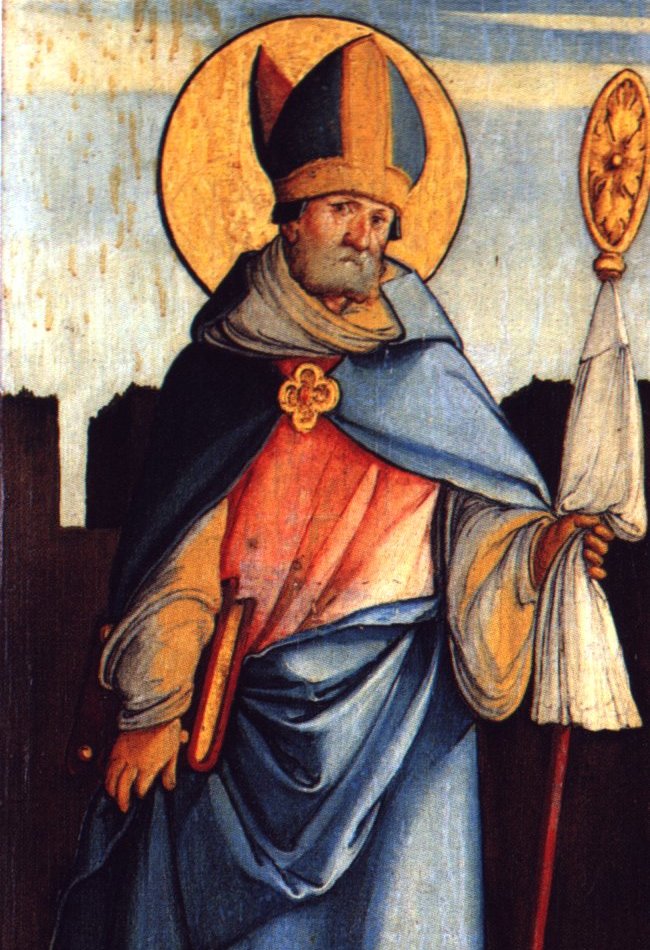
Saint Geoffroy
The path to the episcopal throne was often paved with the stones of conflict, and for the shepherd of Amiens, the cost of peace was measured in personal anguish.
Biography
The path to the episcopal throne was often paved with the stones of conflict, and for the shepherd of Amiens, the cost of peace was measured in personal anguish. Saint Geoffroy stands as a testament to the heavy burden of ecclesiastical leadership, where the pursuit of unity frequently demanded a profound sacrifice of self. While the specific chronology of his life remains obscured by the mists of early medieval history, the record of his deposition at Soissons anchors his memory within the geography of northern France.
Before donning the vestments of office, he underwent a rigorous period of spiritual formation. Tradition indicates that he trained for five years within the monastic life, a discipline that would shape his resilience during his later pastoral duties.
This foundational era of prayer and asceticism equipped him not merely with theological knowledge, but with the fortitude required to navigate the turbulent waters of church politics. Such monastic training was a common prerequisite for those destined for high office, ensuring that their authority was rooted in humility and prayer rather than mere administrative power.
His ministry was marked by a pivotal moment of crisis. Charged with the responsibility of settling a significant disagreement, he found himself embroiled in a struggle that exacted a heavy toll. The sources recount that he suffered greatly in this endeavor. In the context of the time, such disagreements often involved disputes over jurisdiction, property, or doctrinal alignment within the diocese or the wider church hierarchy. Rather than yielding to the pressure of factionalism, he remained steadfast, enduring hardship as the price of reconciliation. This willingness to endure suffering for the sake of order highlights the depth of his pastoral charity. The bishop did not seek the easy path of compromise that would satisfy the powerful; instead, he chose the difficult road of truth, absorbing the friction of the dispute into his own person.
The location of his deposition, Soissons, serves as a lasting marker of his legacy. It was here that his physical presence ceased, yet the impact of his ministry in Amiens continued to resonate. The silence of the archives regarding the precise nature of the disagreement forces the modern reader to contemplate the invisible battles fought by saints of this era. It suggests a man who prioritized the spiritual welfare of his flock over his own comfort, perhaps at the expense of his health or reputation. The city of Soissons, a historic ecclesiastical center, became the site of his final resting place, marking the end of his earthly journey.
His story is one of quiet endurance. In an age where the church was often entangled in the power struggles of the secular world, he chose the difficult path of internal resolution. The five years of monastic training were not wasted; they were the armor that allowed him to withstand the friction of his episcopate. Though specific dates elude us, his life serves as a reminder that the work of a bishop is not solely administrative but deeply spiritual and often painful.
Today, he is remembered for the weight he carried. In the annals of the Church, where many names fade, the Bishop of Amiens endures as a figure of resolve, whose suffering was not in vain but was the necessary mortar for the peace he sought to establish. His legacy is not one of miracles or visions, but of the quiet, painful labor required to bind a fractured community together.
Also remembered on November 8
Know of a grace or miracle attributed to Saint Geoffroy?
Report a Grace or Miracle