Saint
Saint Ildefonso
The convergence of a life dedicated to the quiet contemplation of the cloister with the demanding public duties of ecclesiastical leadership defines the remarkable trajectory of this holy prelate.
Biography
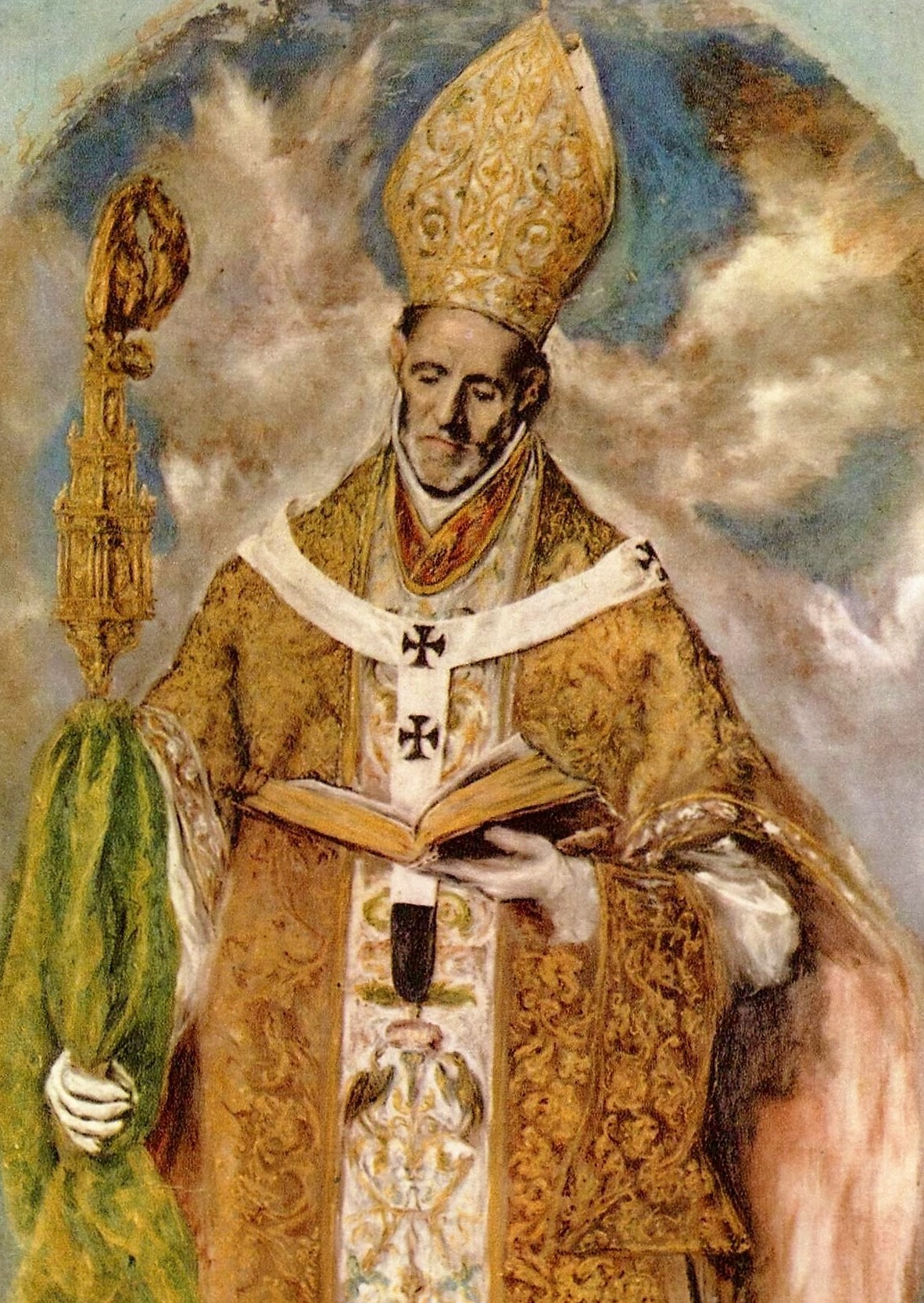
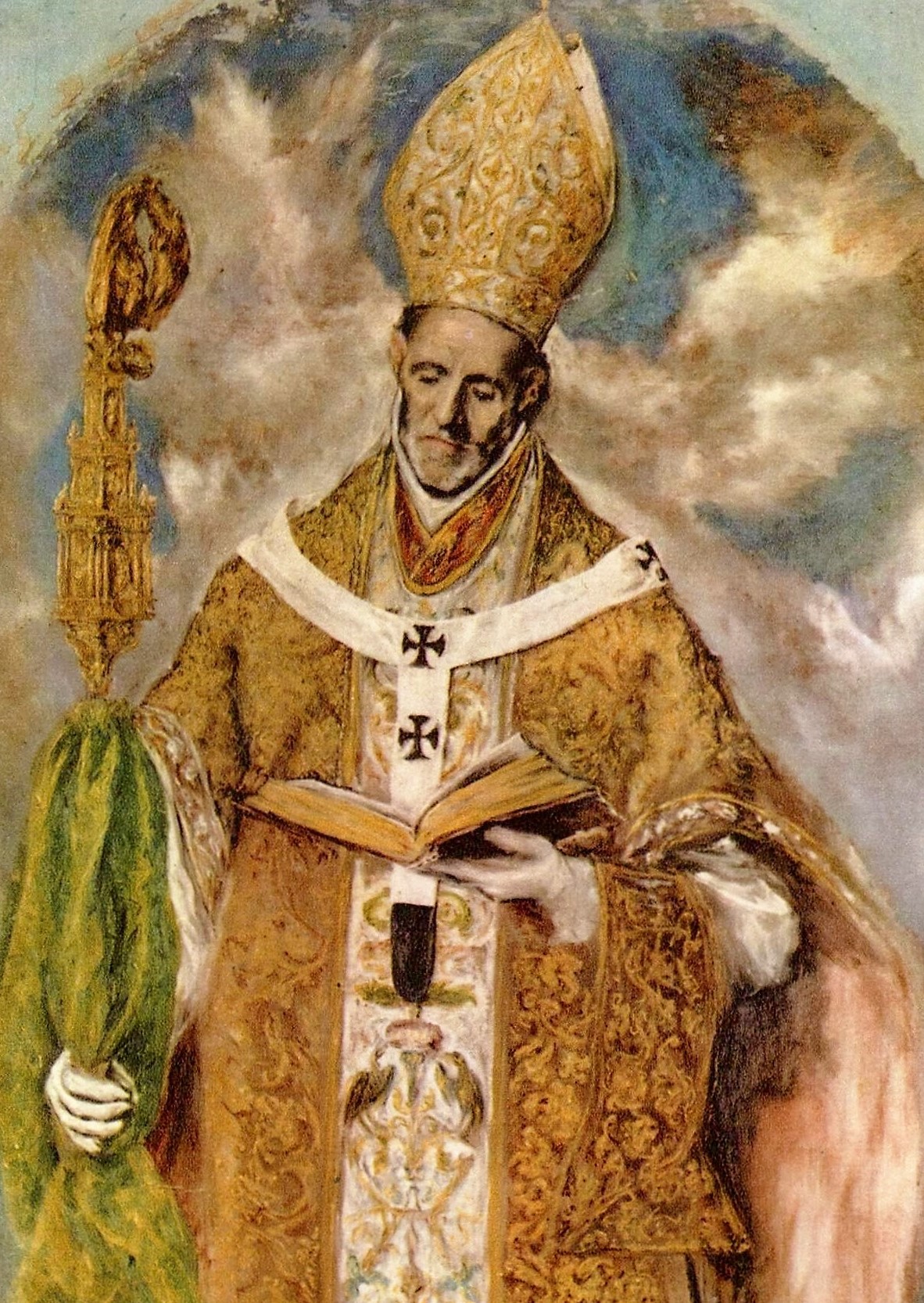
The convergence of a life dedicated to the quiet contemplation of the cloister with the demanding public duties of ecclesiastical leadership defines the remarkable trajectory of this holy prelate. In the annals of the Church, few figures embody the synthesis of monastic piety and episcopal authority as distinctly as the man who served as Archbishop of Toledo.
Toledo, in Spain, served as the crucible for his ministry. This city was not merely a geographical location but a center of profound religious and cultural significance. Here, within the walls of this historic see, he was elevated from the stability of monastic life to the burdens of the episcopate. His journey began in the obscurity of the monastery, where he served as a monk and prior. In this capacity, he cultivated the spiritual discipline and organizational acumen that would later define his public service.
The transition from the private obedience of a prior to the public governance of a bishop was not a rejection of his roots, but an extension of his vocation into the wider Church.
Historical records regarding his specific lifespan are sparse, yet the era in which he operated is well-established. He is associated with the c. 7th century, a period of significant religious development in the Iberian Peninsula. While the precise dates of his birth and death remain obscured by the mists of time, the impact of his tenure as bishop is clear. He was elected to the episcopate, a selection that recognized his spiritual maturity and intellectual gifts. This election underscores the value placed on internal sanctity within the Church hierarchy of that age; leadership was not sought for power, but for the capacity to shepherd souls through wisdom and holiness.
Perhaps his most enduring contribution lies in the realm of literature. He wrote numerous books, leaving behind a corpus of work that reflects a very refined style. In an age where theological discourse was often complex and sometimes obscure, his writings offered a clarity and elegance that elevated the spiritual understanding of his contemporaries. This literary output suggests a mind deeply engaged with the mysteries of the faith, one that sought to articulate divine truths with precision and grace. The quality of his prose indicates a man who viewed writing not as a mere academic exercise, but as an act of devotion, aiming to illuminate the hearts of readers through the beauty of his expression.
It must be acknowledged honestly that the biographical record of this saint is not exhaustive. Many details of his daily life, specific miracles, or the full titles of his works are not preserved in the surviving data. He is remembered as a bishop who remained a monk at heart, a scholar whose pen served the Church, and a leader who found his authority in the refinement of his spirit.
Also remembered on January 23

Know of a grace or miracle attributed to Saint Ildefonso?
Report a Grace or Miracle