Saint
Saint Kjeld
In the quiet rhythm of medieval Denmark, sanctity often revealed itself not through spectacular miracles, but through the steadfast fidelity of daily duty.
Biography
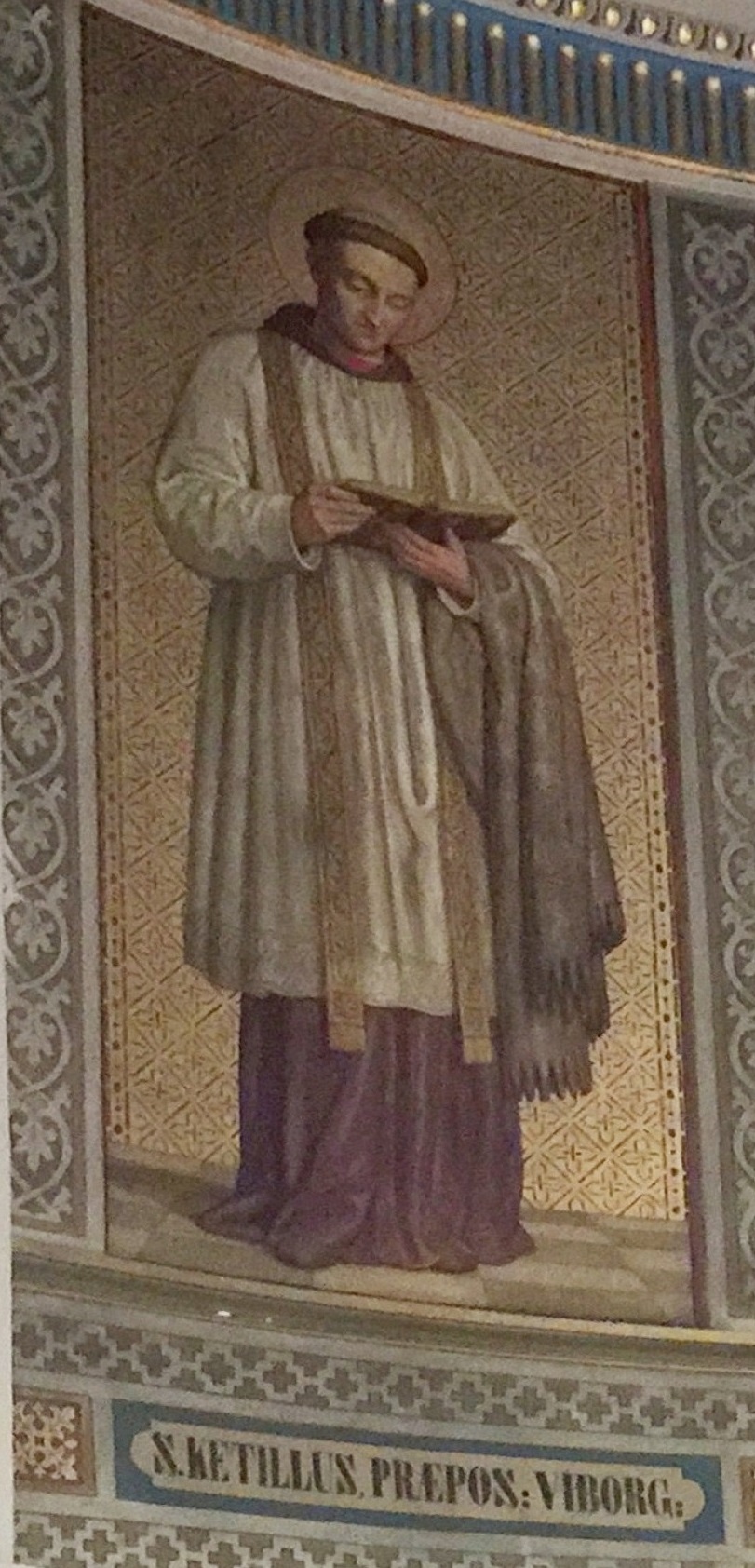
In the quiet rhythm of medieval Denmark, sanctity often revealed itself not through spectacular miracles, but through the steadfast fidelity of daily duty. Among the faithful servants of the Church in the northern lands, one priest stands out for his unwavering commitment to the formation of souls and the discipline of the religious life. This is the witness of Saint Kjeld, a figure whose holiness was forged within the walls of the cathedral community at Viborg.
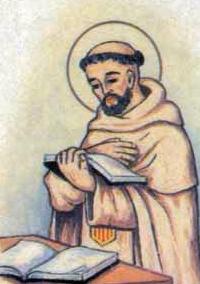
Kjeld lived as a canon regular, a vocation that demanded a balance between active ministry and contemplative prayer. In the medieval church, canons regular were clergy who lived in community under a rule, distinguishing themselves from secular priests by their shared life and common prayer.
At Viborg, a city that would grow to become one of the most significant ecclesiastical centers in the country, Kjeld embraced this call to communal existence. His life was not marked by isolation, but by a deep integration into the spiritual fabric of the diocese. The community he served was not merely a residence for clergy, but a school for holiness, where the daily offices and shared responsibilities formed the backbone of their witness to the Gospel.
What distinguishes the memory of this saint is his particular attention to the chapter school. In an age where education was inextricably linked to the life of the Church, the cathedral school served as the primary engine for training future clergy and literate laity. To be full of attention to this institution suggests a priest who viewed education not as a bureaucratic task, but as a sacred trust. His dedication implies a willingness to invest time and spiritual energy into the minds and hearts of students, ensuring that the intellectual and moral foundations of the Church were laid upon solid ground. This focus on the school highlights a pastor who understood that the future of the faith depended on the cultivation of knowledge and virtue in the next generation.
Furthermore, he is remembered as an authentic model of monastic life. This designation carries significant weight, as it speaks to a man who embodied the Rule of Saint Augustine in his daily conduct. It suggests a life governed by humility, obedience, and charity, lived out in the common room, the refectory, and the choir. In a time when the rigor of monastic discipline could sometimes be compromised, his life offered a counter-witness to the standards of the order. He did not merely wear the habit or recite the office; he embodied the spirit of the community, becoming a living example of what it meant to belong wholly to God and His people.
While historical records provide few specific details regarding the exact years of his service or the specific circumstances of his death, the enduring reverence for his name speaks to a life that left an indelible mark on the spiritual landscape of Viborg. He is not remembered for grand gestures, but for the quiet consistency of a priest who loved his vocation. In the annals of Danish sanctity, Saint Kjeld remains a testament to the power of faithful service, reminding the faithful that true holiness is often found in the diligent care of the church’s schools and the disciplined pursuit of a life dedicated to the Lord.
Also remembered on July 11
Know of a grace or miracle attributed to Saint Kjeld?
Report a Grace or Miracle