Saint
Saint Lantbert
The obscurity of a saint’s name in the annals of history can often be more profound than the silence of a tomb.
Biography
The obscurity of a saint’s name in the annals of history can often be more profound than the silence of a tomb. For some, holiness is recorded in the grandeur of miracles or the breadth of political influence; for others, it is preserved simply in the faithful memory of a specific office and location. In the rugged landscape of Bavaria, the name of one such shepherd endures, a testament to the quiet fidelity of the early church in the German lands. This is the legacy of the bishop of Freising, whose life remains a shadow cast by the light of the episcopate he held.
To understand the significance of this figure, one must look to the place he served. Freising, situated in the heart of Bavaria, Germany, stands as one of the most ancient dioceses in the region.
Its establishment was pivotal in the spiritual colonization and organization of the Germanic territories during the early medieval period. The bishops of this see were not merely administrators; they were spiritual anchors for a people navigating the transition from tribal structures to a Christianized society. To hold the office of bishop in this location was to shoulder the weight of pastoral care over a vast and often challenging territory, serving as a conduit of grace for the faithful in a time when the Church was deeply rooted in the soil of the local community.
The historical record regarding the specific years of his ministry is not explicit, leaving the exact timeline of his service to the quiet margins of history. What remains certain is his title and his location: he was a bishop in Freising. In the vast catalog of Catholic sainthood, where thousands of names are known only to liturgical calendars and local traditions, his presence is a reminder of the countless unnamed or partially recorded leaders who sustained the faith. While the specific deeds of his life have not been preserved in the hagiographical tradition, the fact that he is venerated as a saint suggests a life marked by extraordinary virtue, pastoral diligence, or perhaps a martyrdom that has faded from the written record.
The Church in Bavaria during the era of his service was a place of profound transformation. Missionaries and bishops worked tirelessly to establish parishes, educate the clergy, and integrate the Christian message with the local culture. A bishop of Freising would have been at the center of this endeavor, likely overseeing the spiritual welfare of the faithful, administering the sacraments, and perhaps engaging with the political realities of the time. Though the details of his daily struggles are lost, the title itself speaks to a life dedicated to the service of the Church.
It connects the modern faithful to the ancient roots of the German Church. To honor him is to acknowledge the value of those whose names were not preserved for posterity but whose work was essential to the survival and growth of the faith in the region.
Also remembered on September 19
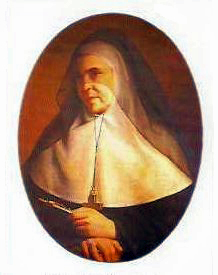
Know of a grace or miracle attributed to Saint Lantbert?
Report a Grace or Miracle